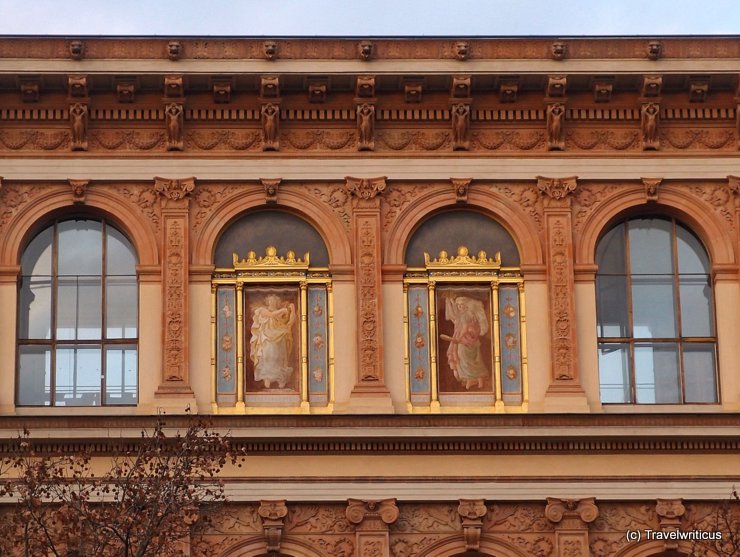
The Academy of Fine Arts Vienna (Akademie der Bildenden Künste Wien) offers a collection of old masters worth a visit. Looking up to the highest floor of the building you will discover fine wall paintings below the roof.
Browse through your travel destination!
The Academy of Fine Arts Vienna (Akademie der Bildenden Künste Wien) offers a collection of old masters worth a visit. Looking up to the highest floor of the building you will discover fine wall paintings below the roof.
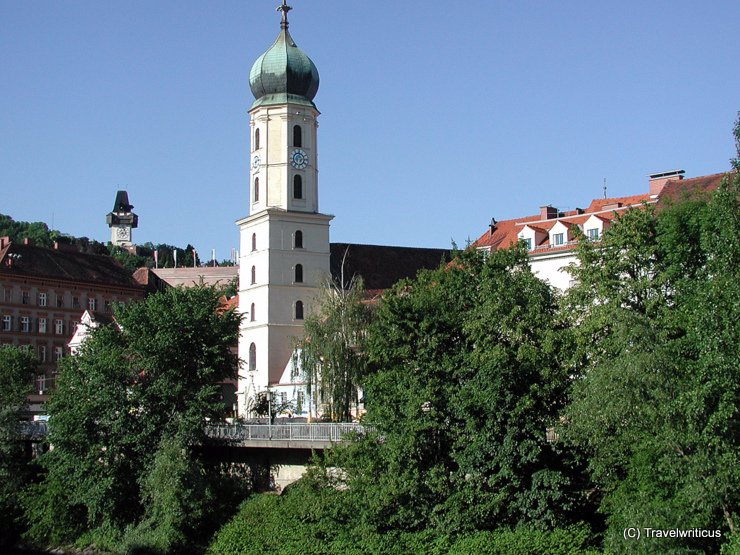
Two beauties of Graz: The landmark of Graz named Uhrturm in the background and the Franciscan Church (Franziskanerkirche) in the foreground. The church, with its remarkable tower, is part of the oldest monastery in the city.
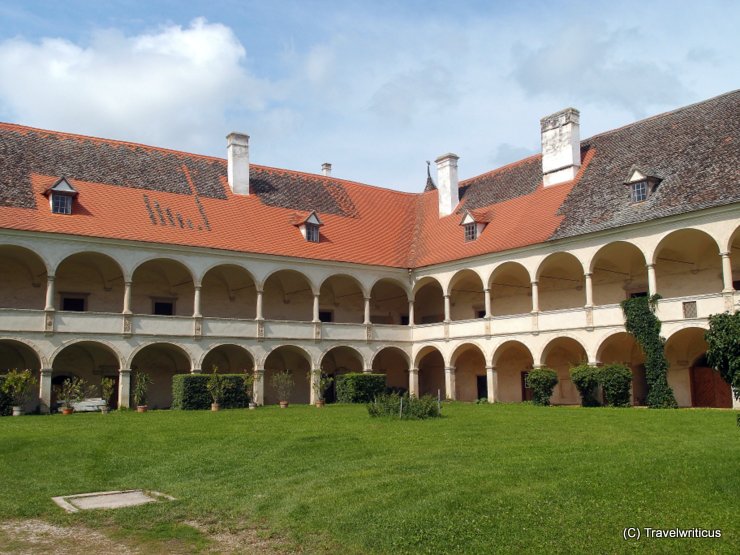
Deutschkreutz Castle (Schloss Deutschkreutz) was the home of Anton Lehmden for many years. He was member of the Vienna School of Fantastic Realism and gave painting classes in the rooms of this castle.
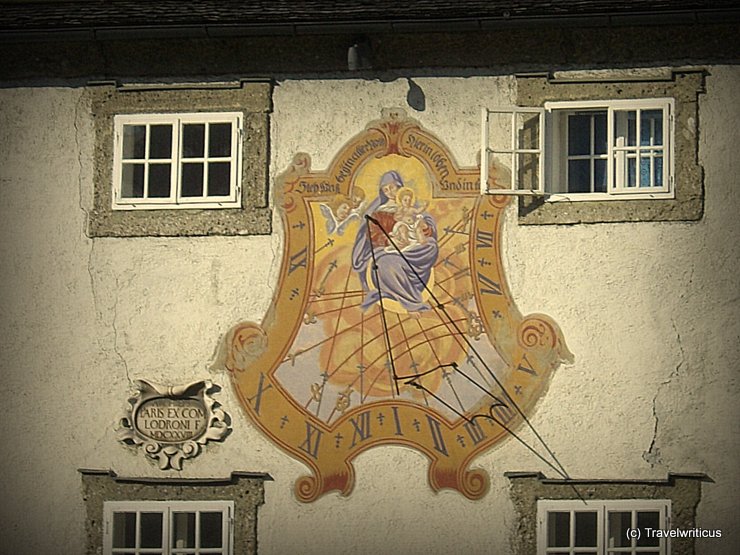
The Zeugwartstöckl in Salzburg is the surviving guardhouse of the demolished Michaelstor (Michael Gate). It stands between Mozartplatz and Rudolfskai. Salzburg visitors see this sundial, dating back to 1628, on the facade facing Mozartplatz.
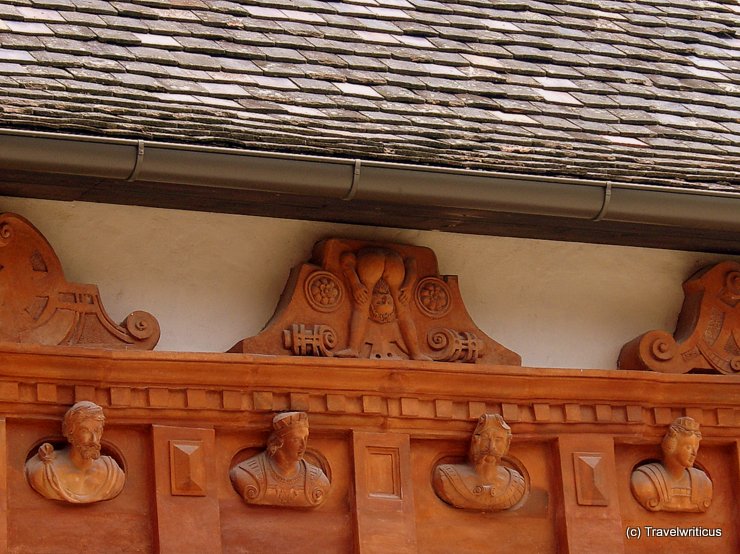
You find this peculiar detail at Schallaburg Castle (Schallaburg): A sculpture of a man showing his bottom. Such sculptures served as a defence against harm and evil spirits. Together with the Dog Lady, it is one of the most fascinating sculptures in this palace.
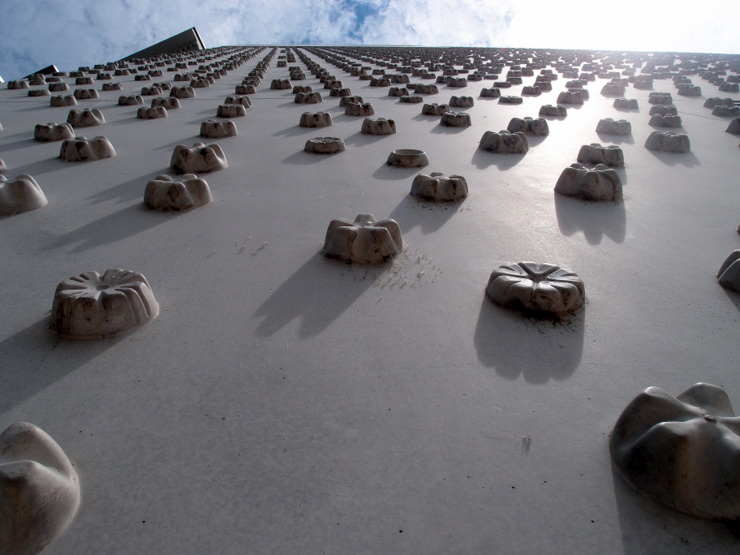
The facade of the Vorarlberg Museum in Bregenz is decorated with 16,656 concrete blossoms. The blossoms were formed by the bottoms of simple PET bottles. But this is not the only architectural peculiarity of this museum in the Vorarlberg capital.
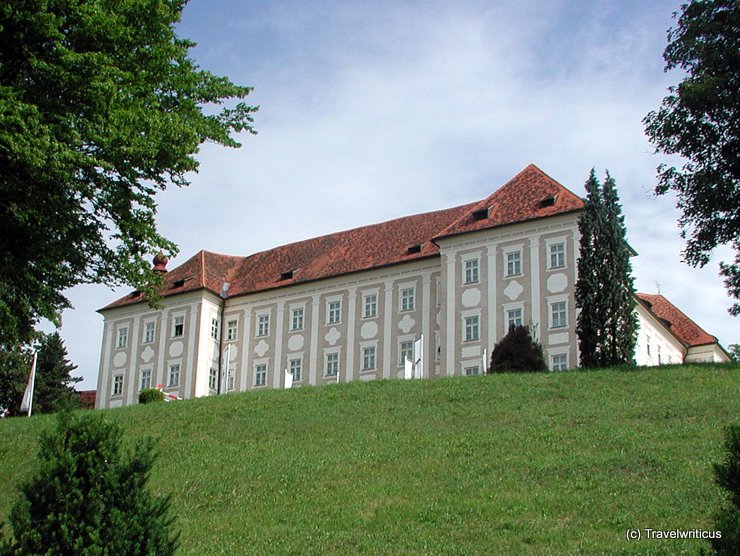
Piber Castle (Schloss Piber) is a palace in the Austrian state of Styria. It stands next to the Federal Stud Piber. This stud is known for breeding the famous Lipizzaner stallions you see at the Spanish Riding School in Vienna.
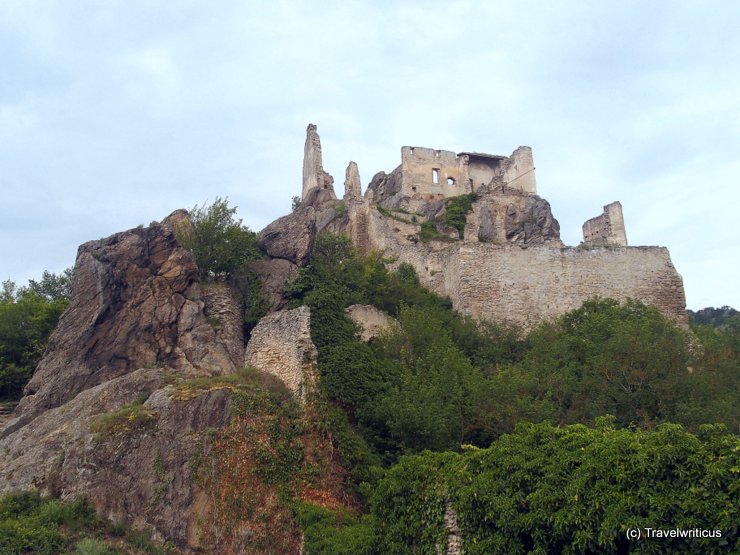
Hikers get this view of Dürnstein Castle (Burgruine Dürnstein) after taking the trail up from Dürnstein. Legend says Richard I of England, aka King Lionheart, was imprisoned here for a short period. Several info boards inform about this story next to the castle walls.
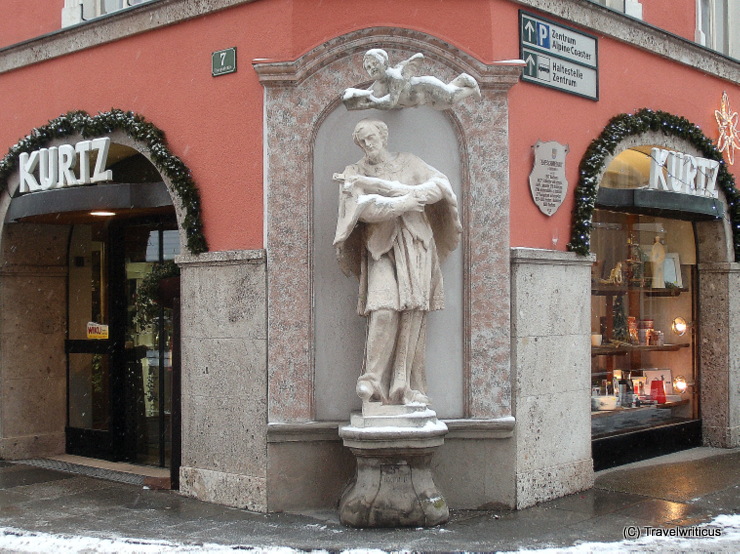
This statue of Saint John of Nepomuk is located at a building named Eheschmiedhaus. The buildings is dating back to 13th century, the sculpture was created in the first half of 18th century. Love the flying angel above his head.
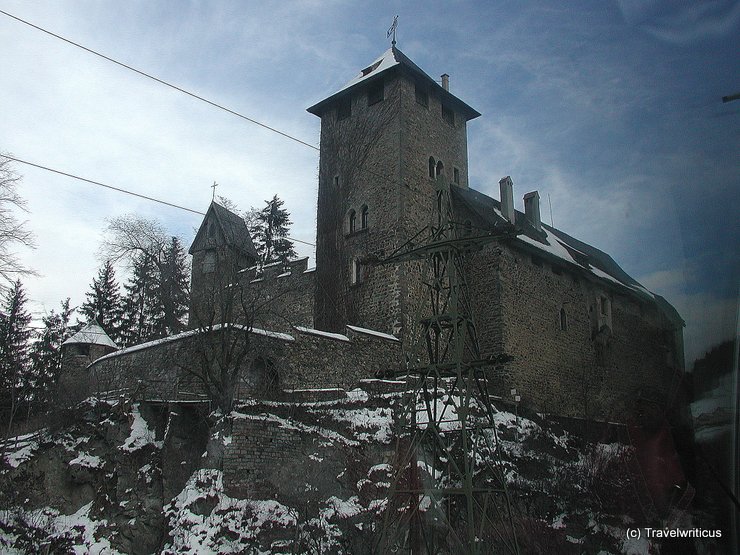
Wiesberg Castle (Schloss Wiesberg) stands next to the Trisanna railway bridge in the Austrian state of Tyrol. This bridge spanning the Trisanna Gorge became famous in 1964 for being replaced by a newer one within a few hours.
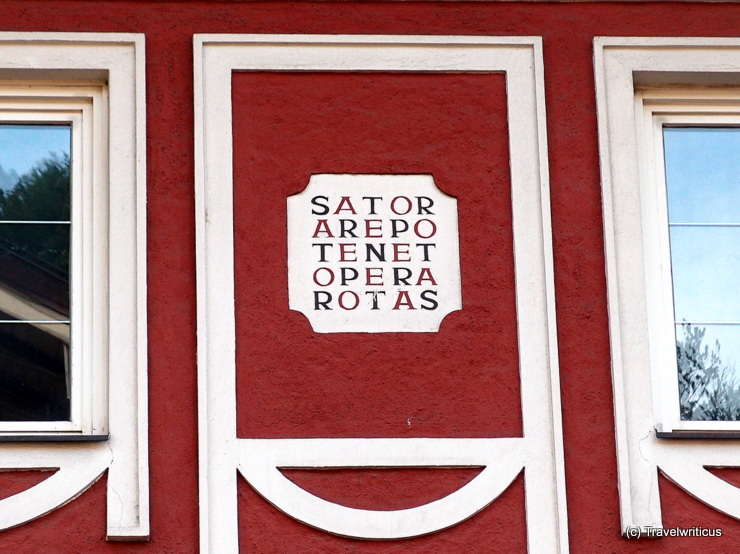
You find this Sator Square on a facade in Golling an der Salzach. The Sator Square, also known as Rotas-Sator Square, is a word square containing a five-word Latin palindrome.
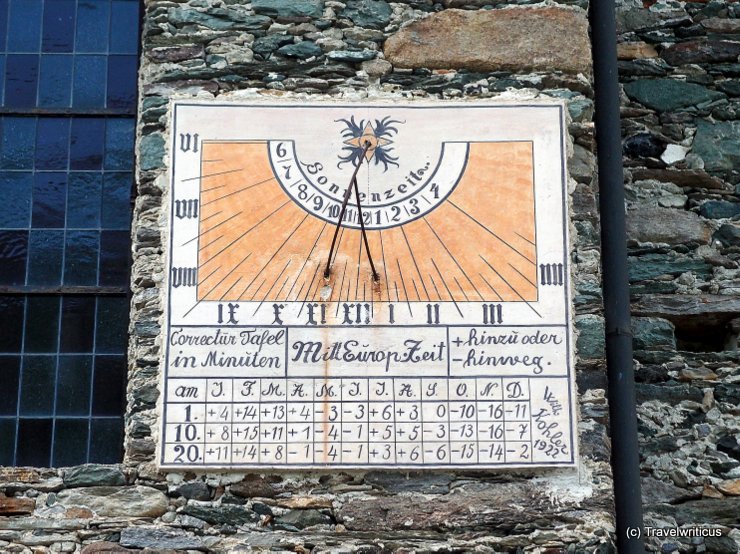
An elaborate version of a sundial on a chapel in Hinterbichl, a district in Prägraten am Großvenediger. The table provides info on how to calculate the exact time considering the different altitudes of the sun during the year.