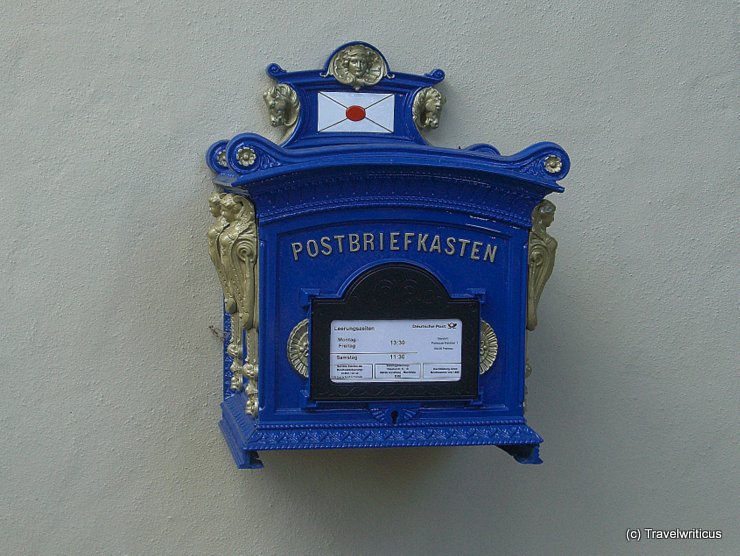
In the sight of the Frohnauer Hammer, you find this vintage postbox. Frohnau is a village in the municipality of Annaberg-Buchholz. The Frohnauer Hammer forms an industrial heritage site presenting a hammer technology of the 17th century.
Browse through your travel destination!
In the sight of the Frohnauer Hammer, you find this vintage postbox. Frohnau is a village in the municipality of Annaberg-Buchholz. The Frohnauer Hammer forms an industrial heritage site presenting a hammer technology of the 17th century.
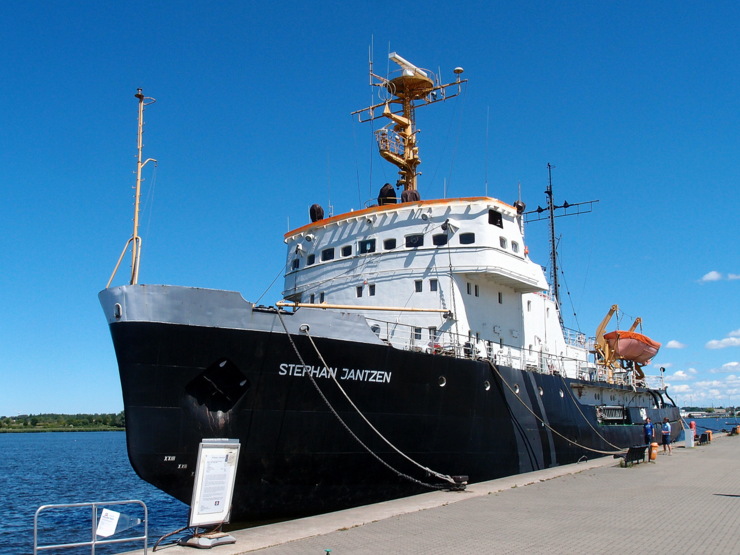
This icebreaker was built in 1967 and is named after the sea rescuer Stephan Jantzen (1827-1913). The ship is off duty now. Although plans were to convert the vessel into a luxury icebreaker for private tours, it is still waiting for a new assignment at Rostock City Harbour.
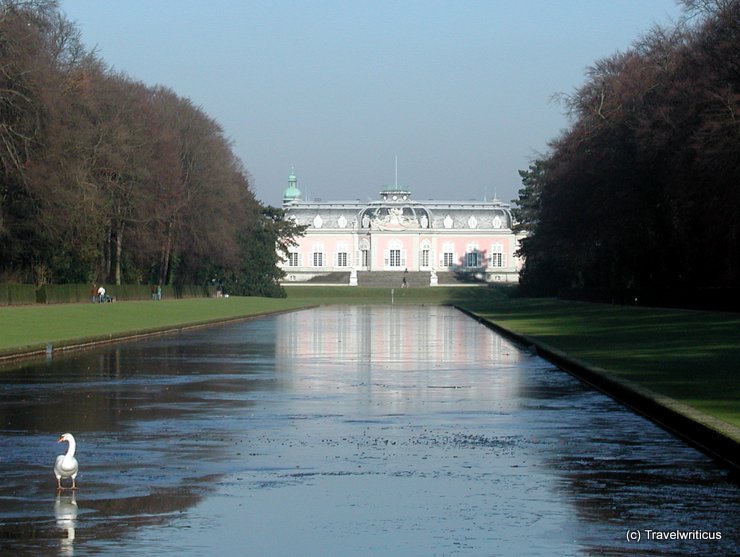
Benrath Palace (Schloss Benrath) saw its construction between 1755 and 1773. The number of floors differs between the outside and the courtyard side. The servants’ rooms on the inside are lower than the staterooms on the outside.
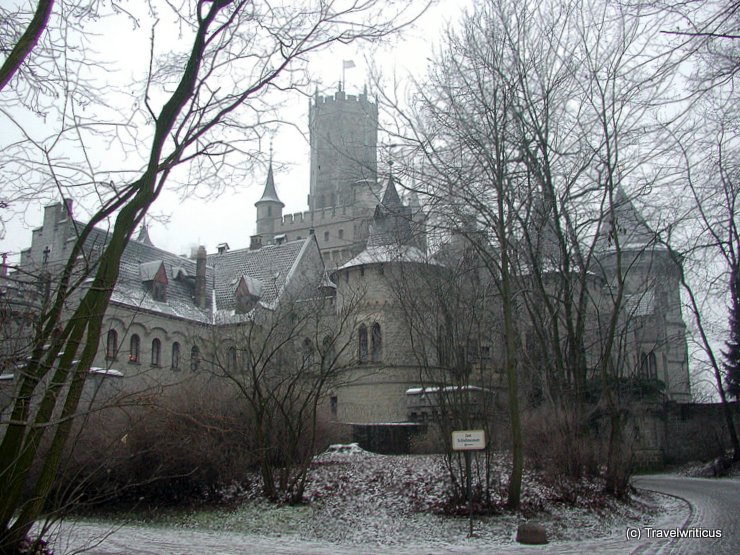
Marienburg Castle (Schloss Marienburg) saw its completion in 1867 and was a birthday present by King George V of Hanover to his wife, Marie of Saxe-Altenburg. You find the Gothic revival castle 20 km south of Hanover.
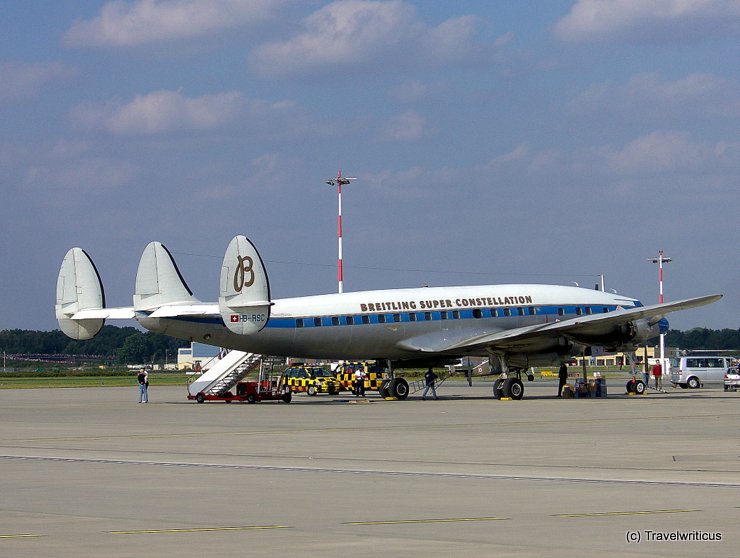
The Lockheed Super Constellation, aka “Super Connie”, formed one of the highlights at the Hamburg Airport Days 2007. The plane was presented by the Swiss-based Super Constellation Flyers Association.
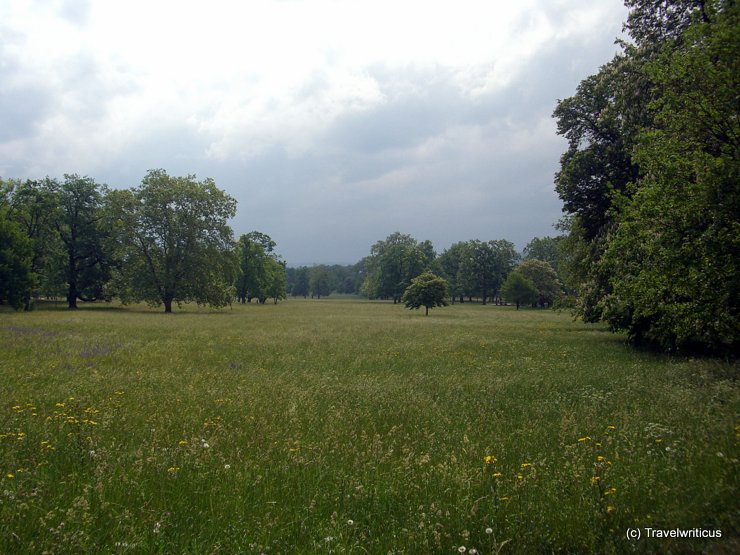
In the vicinity of the Wilhelma Zoo, you find this surprising fodder meadow (Fettwiese). The hay from this wild meadow inside the city of Stuttgart is for the animals of the nearby zoological garden.
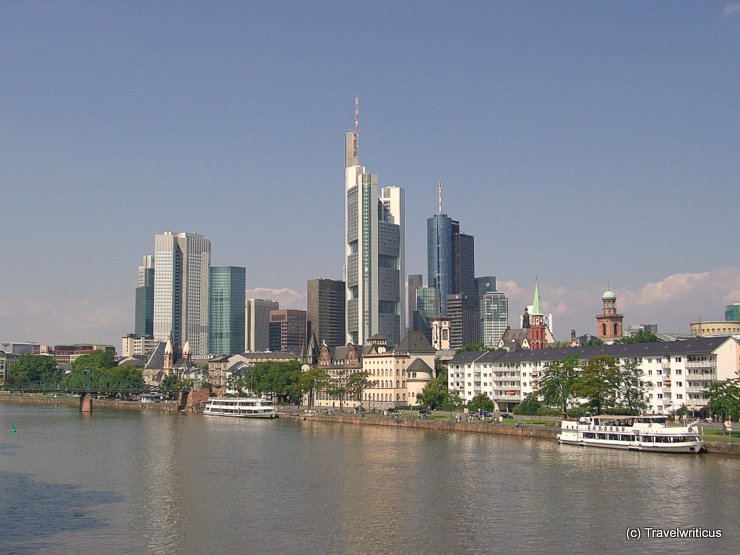
This photo shows the view of the financial quarter of Frankfurt am Main taken from a bridge named ‘Alte Brücke’. The quarter with the skyscrapers lies near the Main River. Therefore, there is a pun calling this part of the city or even the whole city ‘Mainhattan’.
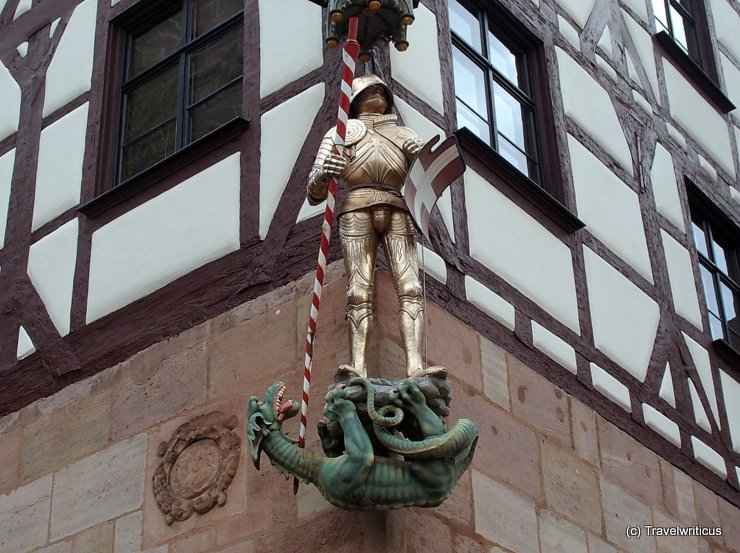
The house sign of the Pilatushaus in Nuremberg shows Saint George fighting the dragon. The motif fits well. The owner of this home was a Plattner (amorer), and George was the Saint of his craft guild.
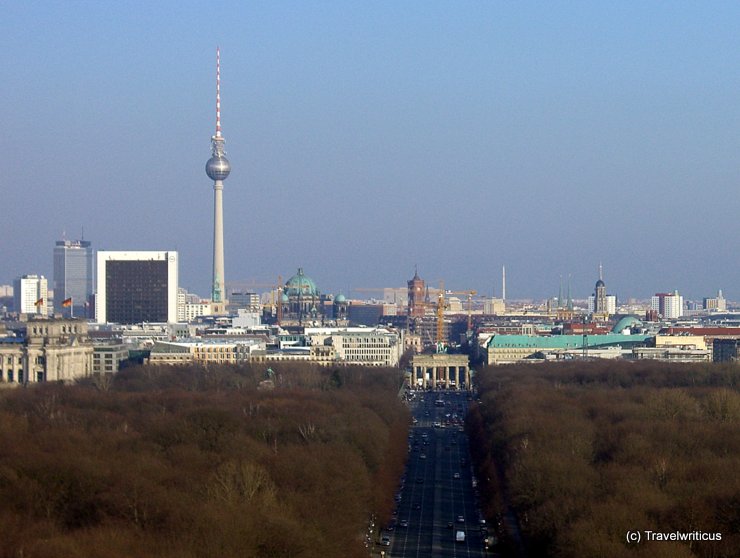
Skyline of Berlin as seen from the top of the Victory Column (Siegessäule). On the left side, you see the tall television tower of Berlin. The white cross at the dome is called the “Pope’s Revenge”. In reality, it is a sun reflection.
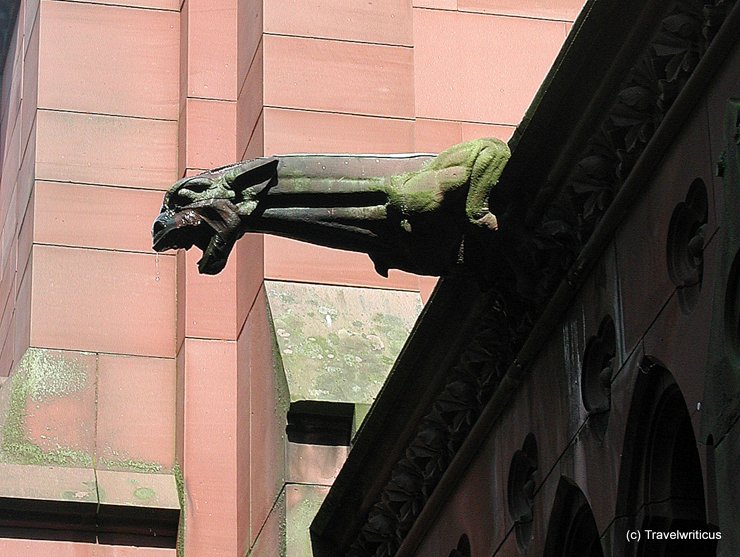
The Sepulchral Chapel (Großherzogliche Grabkapelle Karlsruhe) was commissioned by Grand Duke Friedrich I of Baden and his wife, Luise of Prussia. Five of seven Grand Dukes of Baden found their last rest in this chapel.
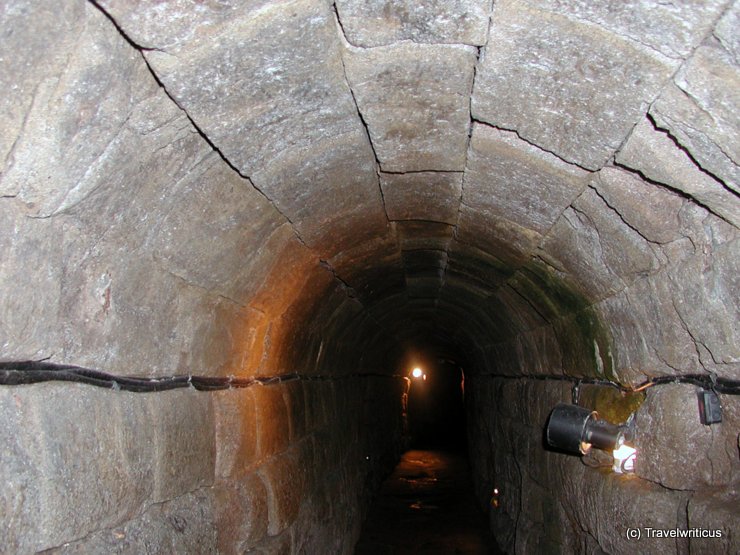
Below the Spanische Bau in Cologne, fans of Roman architecture find the remains of the ancient Roman Praetorium. Right next to these ruins, visitors have the chance to walk through a former Roman sewer below the streets of the modern city.
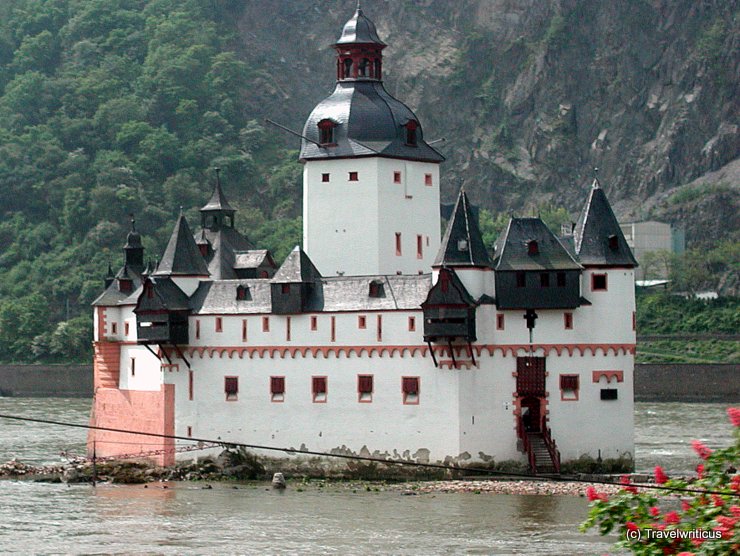
On a train journey along the Rhine Valley from Mainz to Koblenz, you experience this view of Pfalzgrafenstein Castle (Burg Pfalzgrafenstein). The building on a tiny island served as a toll station until 1866.