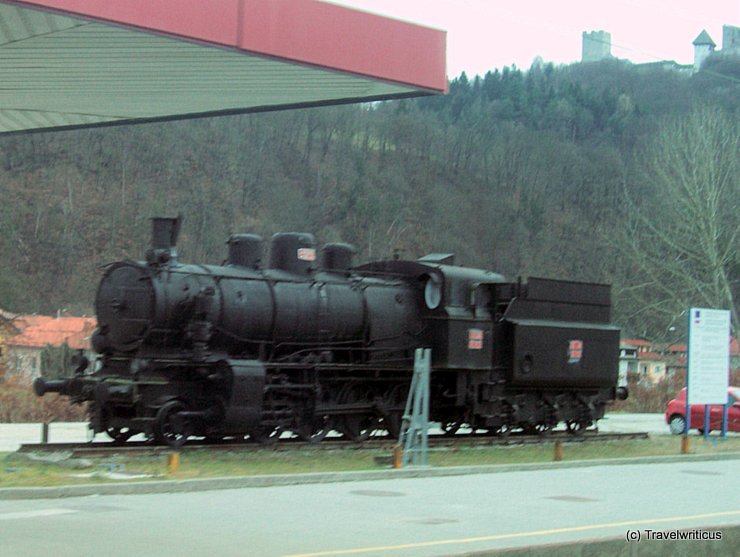
At Celje Railway Station, you’ll find this locomotive as an exhibit. The locomotive with the number JŽ 25-002 saw its construction in the Austrian city of Wiener Neustadt in 1922. In the background, you discover the medieval Celje Castle.
Browse through your travel destination!
At Celje Railway Station, you’ll find this locomotive as an exhibit. The locomotive with the number JŽ 25-002 saw its construction in the Austrian city of Wiener Neustadt in 1922. In the background, you discover the medieval Celje Castle.
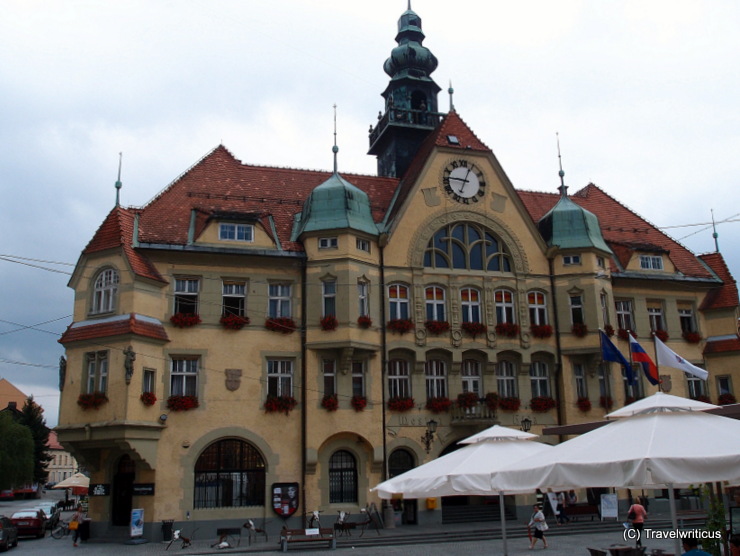
Architect Max Freiherr von Ferstel built the New Town Hall of Ptuj from 1906 to 1908. Max Ferstel is the son of Heinrich Freiherr von Ferstel, known for numerous buildings in Vienna in the style of historicism.
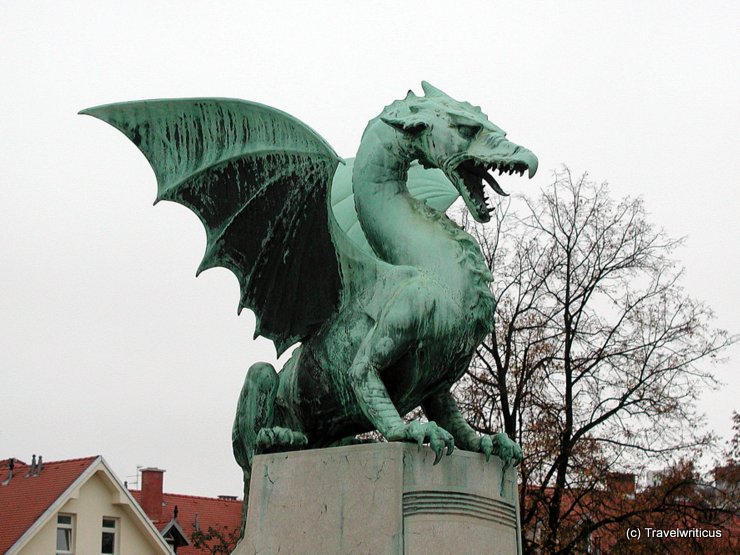
The Dragon Bridge (Zmajski most), finished at the beginning of the 20th century, shows elements of the Viennese Secession. The Viennese factory A. M. Beschorner created the dragons.
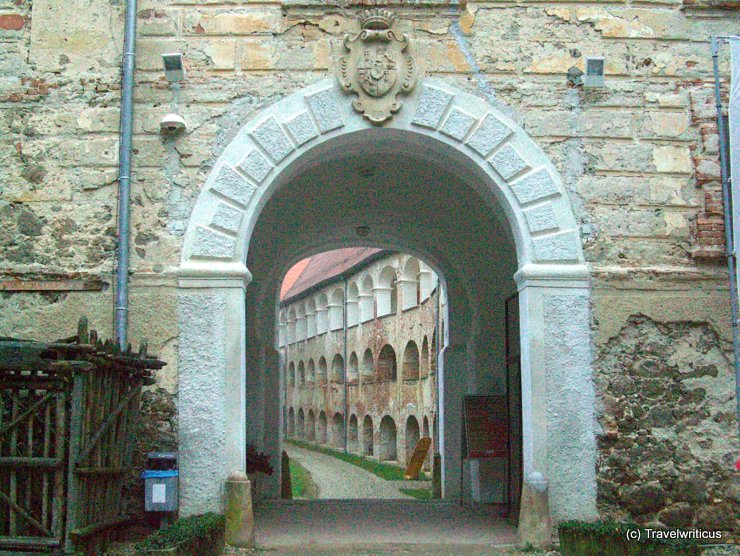
The open gate of Grad Castle in Goričko offers a view of the arcade court. After getting in, visitors are surprised by a small forest in the middle of this court. Fun fact: Grad is the Slovenian term for castle. So the name of this castle is just castle.
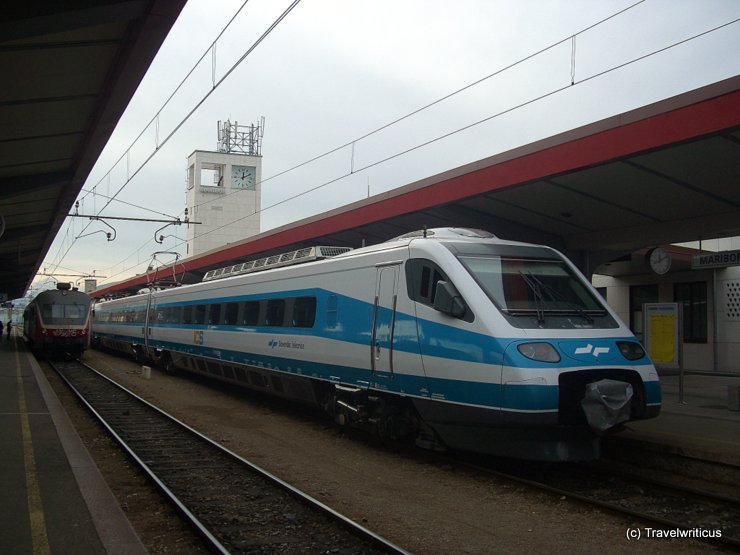
This tilting train runs as SŽ series 310 for the Slovenian Railways (Slovenske železnice). It saw its construction by FIAT Ferroviaria and is a derivation of their ETR 460. The photo shows the train on a track in Maribor Central Station.
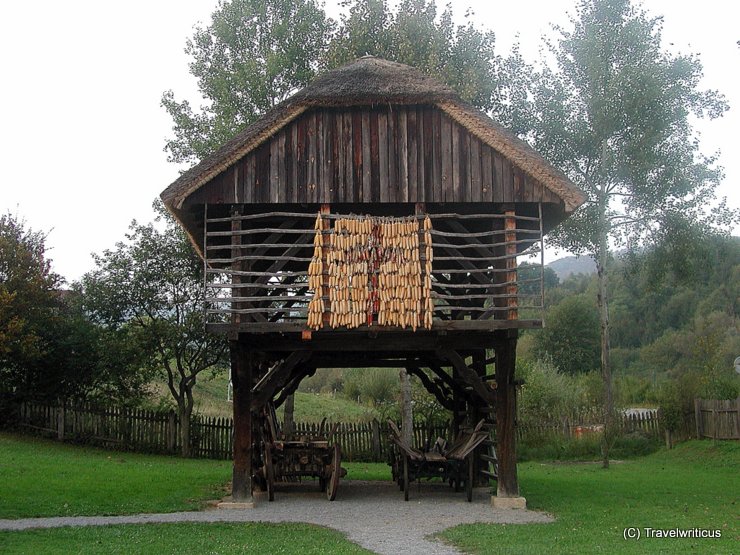
This traditional Slovenian hayrack (Kozolec) is an exhibit at the open-air museum in Rogatec. For fans of these sorts of hayracks, there is also a specialized museum in Šentrupert, generally known as the “Land of Hayracks”.
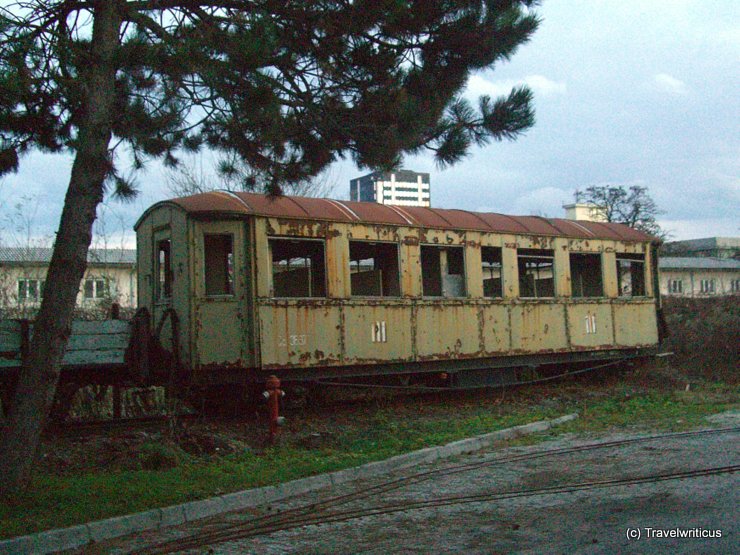
The Museum of Slovenian Railways offers mighty steam locomotives as well as light auxiliary rail vehicles. Visitors find all these locos and carriages not only in an old shed but also on the attached free ground. It is s place with fascinating objects at every turn.
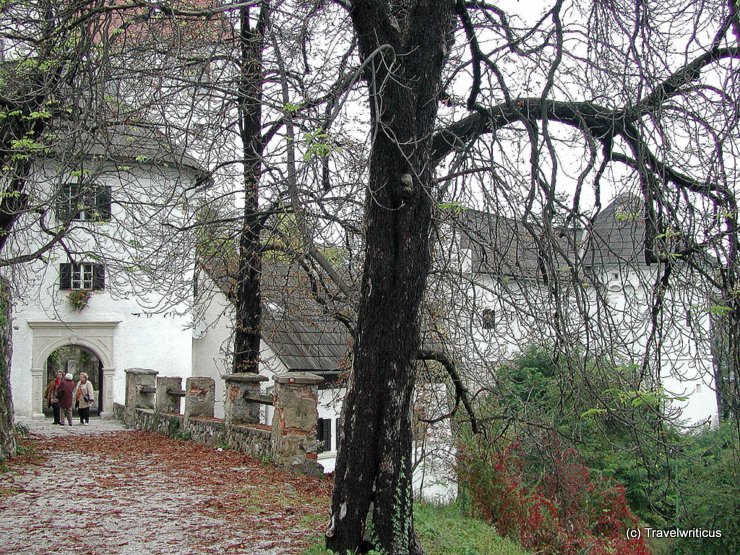
Velenje Castle (Velenjski grad) is a well-preserved castle high over the Slovenian city of Velenje. It offers an interesting museum inside. For example, you see the reconstruction of an old grocery shop and the remains of two mastodons.
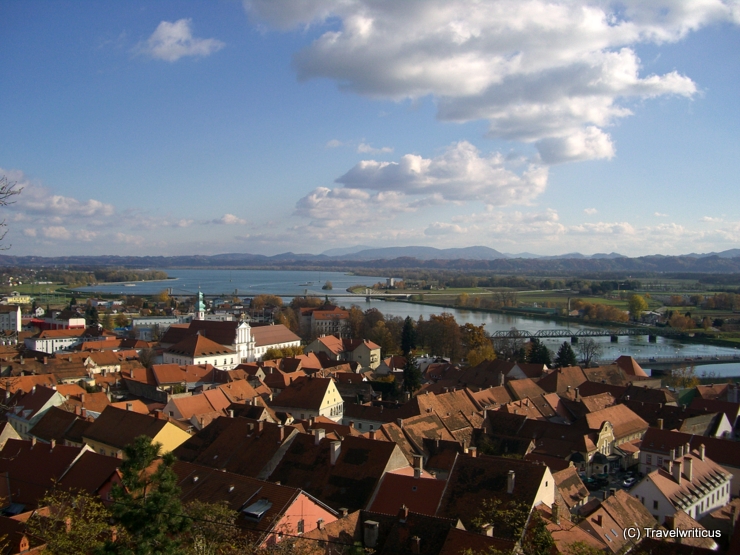
This is a view over the rooftops of Ptuj taken from the castle high above the city. From there, you can see how the Drava River turns into an artificial lake (Ptuj Lake) due to a nearby hydropower station. On the lake, there is much space for aquatic sports.
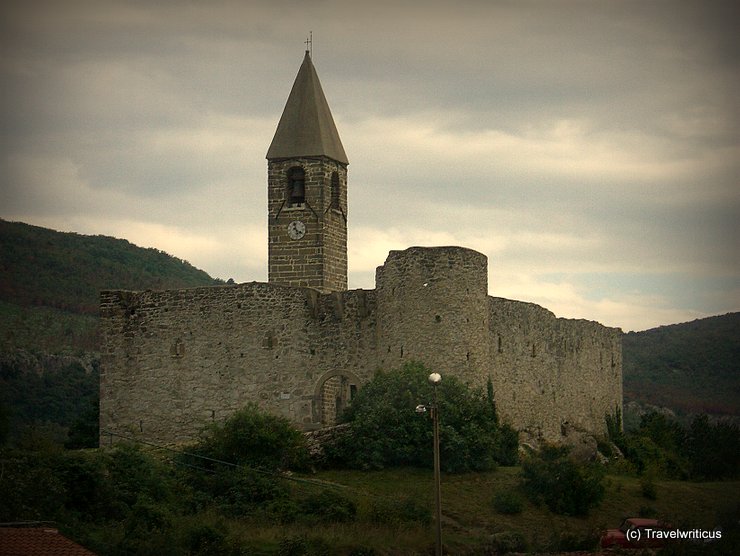
The Holy Trinity Church (cerkev sv. Trojice) in Hrastovlje formed a fortified church earlier. Today, it offers an outstanding range of frescoes inside. The depictions show both biblical events and a dance macabre.
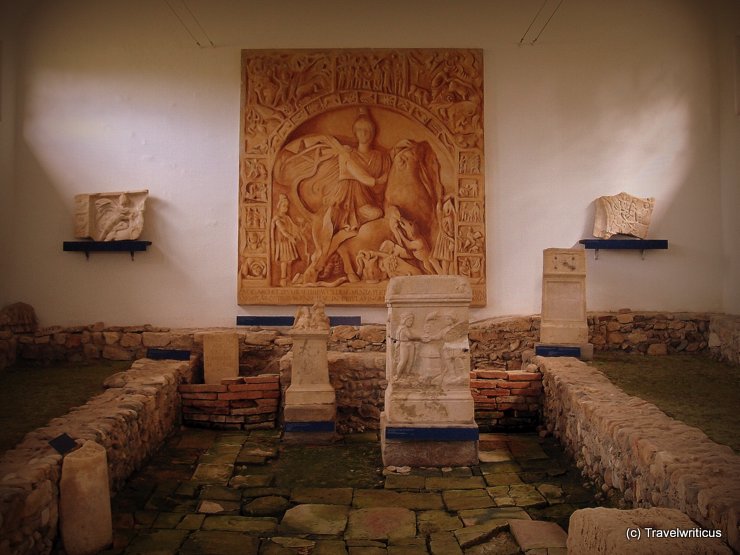
A protective building in the style of an ancient Roman sanctuary shelters the remains of the Mithras Shrine III in Ptuj. The shrine was erected in the sixties of the 3rd century by soldiers of the Legio XIII Gemina.
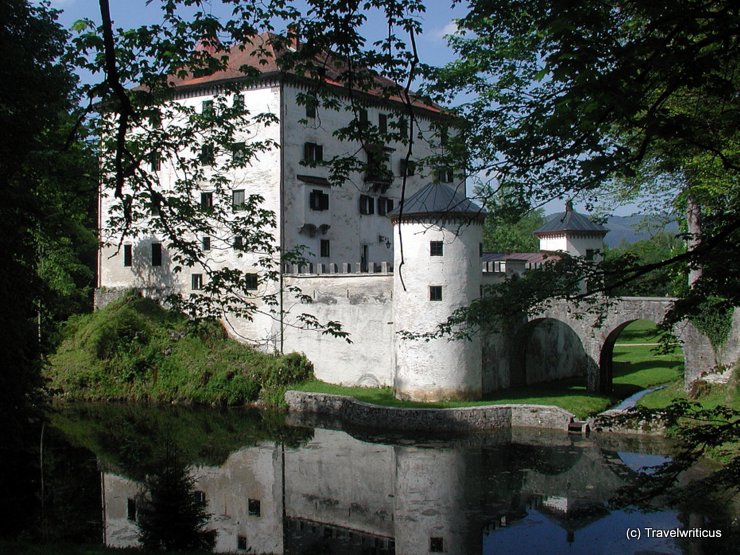
Snežnik Castle (Grad Snežnik) in Kozarišče saw its first mention in 1268. Visitors enjoy the interior and the furniture of a noble family living in the 19th/20th century. Besides, you will be delighted by its location next to a small pond.