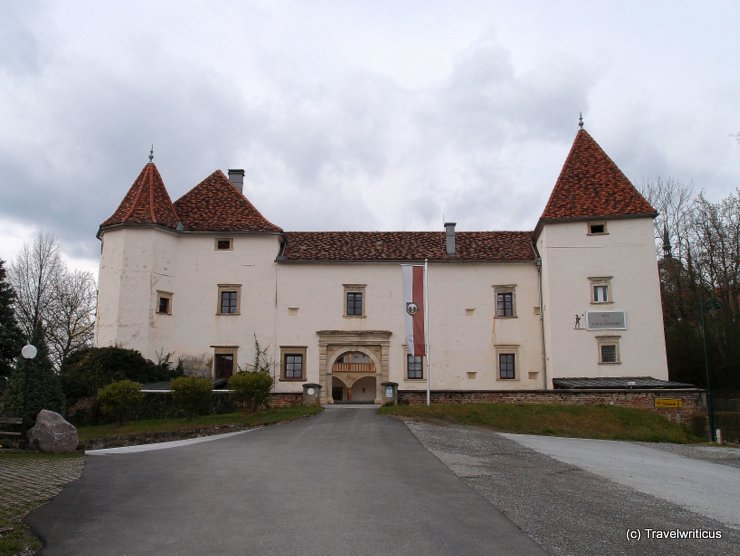
The name of the castle originates from the powerful Stubenberg family. Five members of this house occupied the office of governor (Landeshauptmann) in the Duchy of Styria.
Browse through your travel destination!
The name of the castle originates from the powerful Stubenberg family. Five members of this house occupied the office of governor (Landeshauptmann) in the Duchy of Styria.
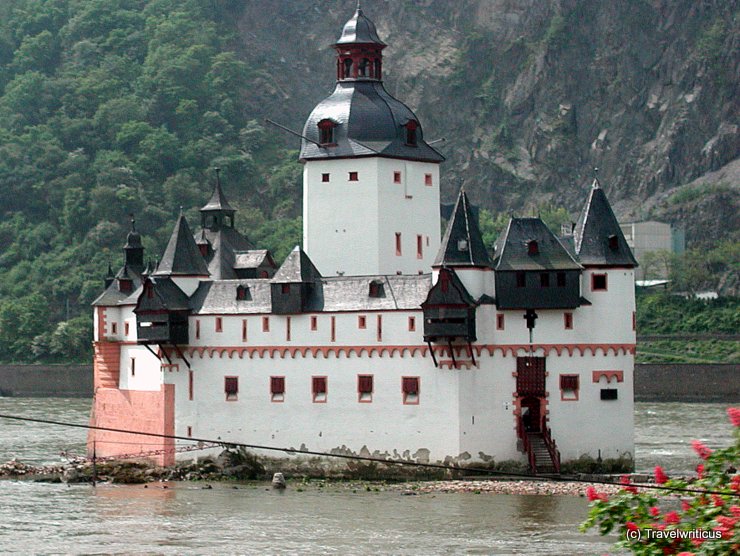
On a train journey along the Rhine Valley from Mainz to Koblenz, you experience this view of Pfalzgrafenstein Castle (Burg Pfalzgrafenstein). The building on a tiny island served as a toll station until 1866.

Bogenšperk Castle (Grad Bogenšperk) was the home of the natural historian and polymath Johann Weichard Valvasor (1641-1693). He became famous for publishing several books about topics like the Karst or the history of Carniola.
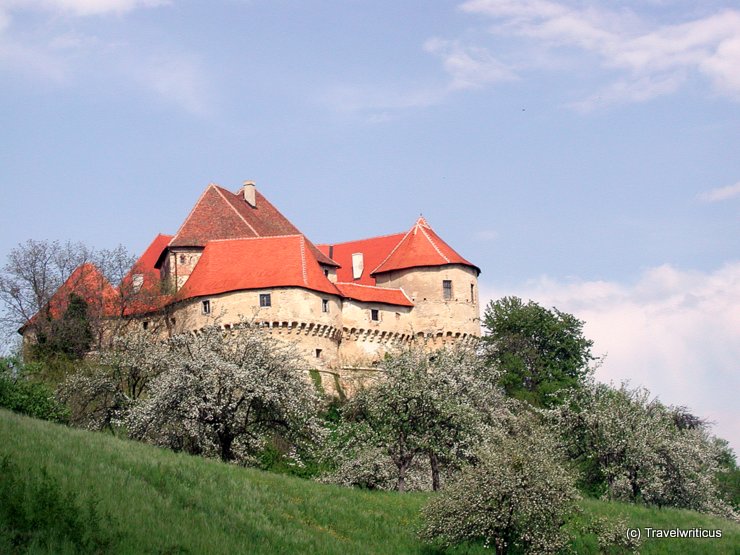
Veliki Tabor Castle (Grad Veliki Tabor) on a sunny spring day. The oldest part of this castle is a five-cornered tower which dates back to the 12th century. The Croatian painter Oton Iveković owned the building from 1927 to 1935.
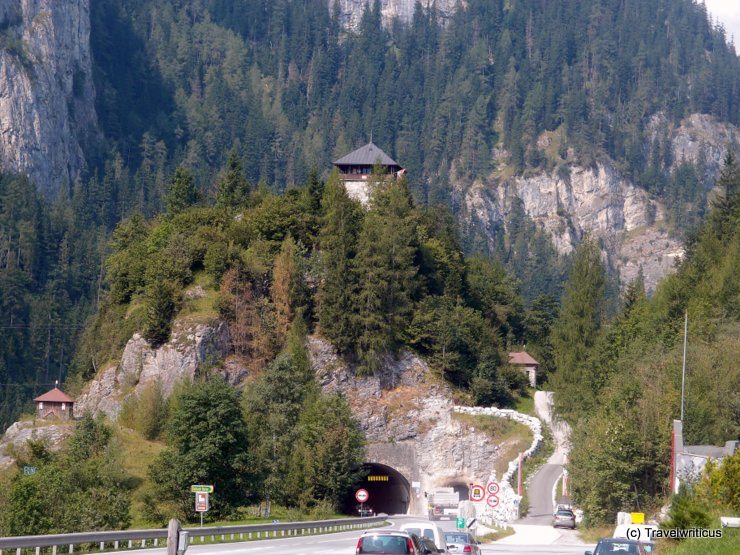
Klammstein Castle (Burg Klammstein) seems to block the Gastein Valley (Gasteinertal) in the north. In earlier times, it formed a toll station. Today, it accommodates a museum about the castle’s history and the valley.
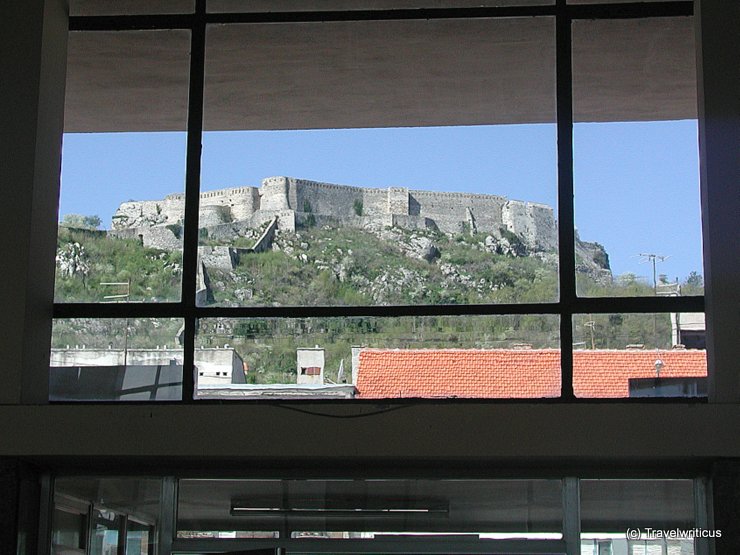
Knin Fortress is considered the second-largest fortress in Croatia. Its construction started in the 9th century. Today, you see it in a state brought up in the 17th and 18th centuries. In one of its buildings, you find the Knin Museum.
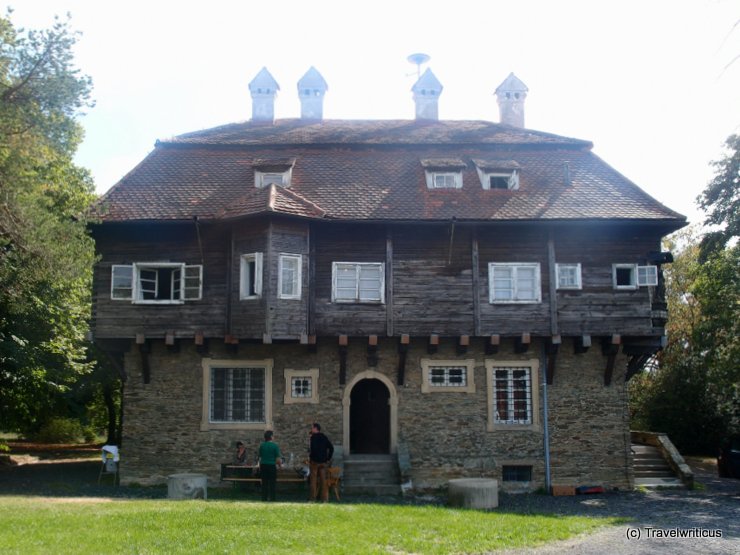
The Madonnenschlössel was built in 1923 by Mayor Georg Gyömörei. It was the residence of him and his wife, the sister of Count Almasy. Today, it serves as a budget-friendly accommodation for hikers and bikers and as a venue.
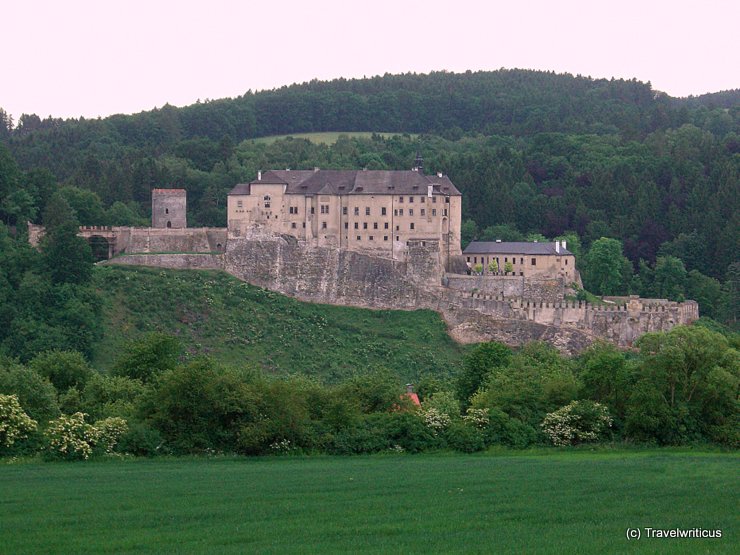
Český Šternberk Castle (Hrad Český Šternberk) is a castle of the mid-13th century and is considered one of the best preserved Gothic Bohemian castles. The castle offers a rare collection of 500+ copper engravings depicting the history of the Thirty Years’ War.
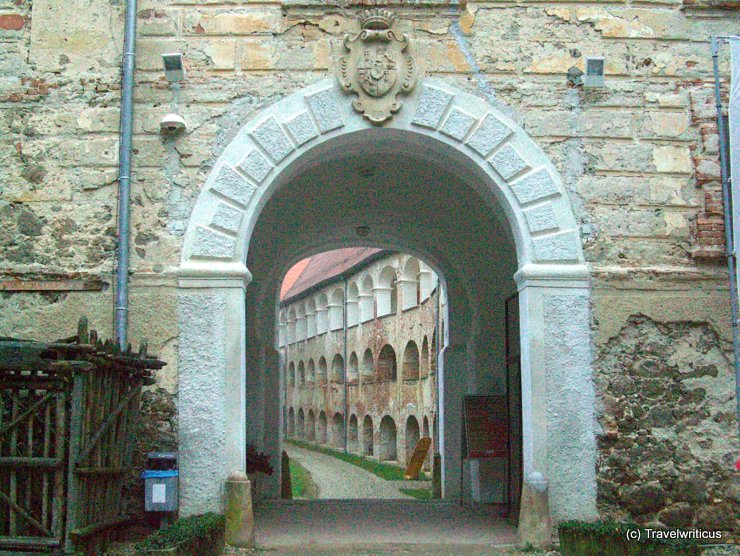
The open gate of Grad Castle in Goričko offers a view of the arcade court. After getting in, visitors are surprised by a small forest in the middle of this court. Fun fact: Grad is the Slovenian term for castle. So the name of this castle is just castle.
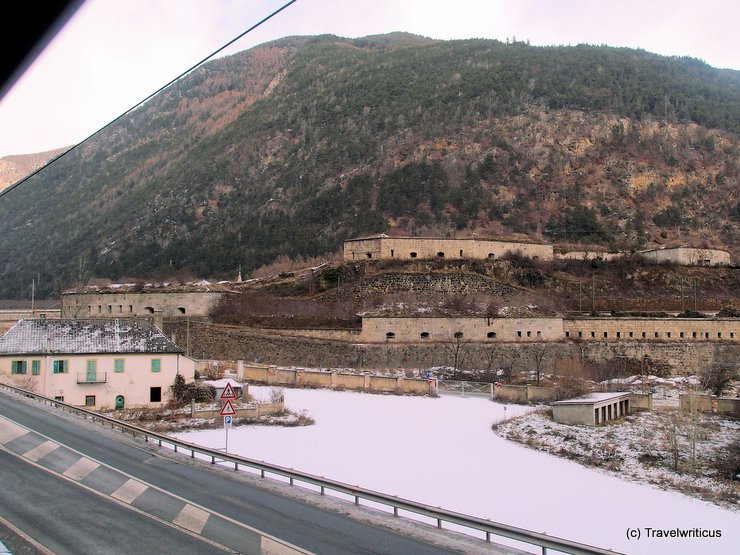
During a train journey from the Brenner Pass to Bolzano, passengers pass the former Austrian fort Franzensfeste (Forte di Fortezza). Its name originates from the Austrian Emperor Franz I. The fortress saw its completion in the first half of the 19th century.
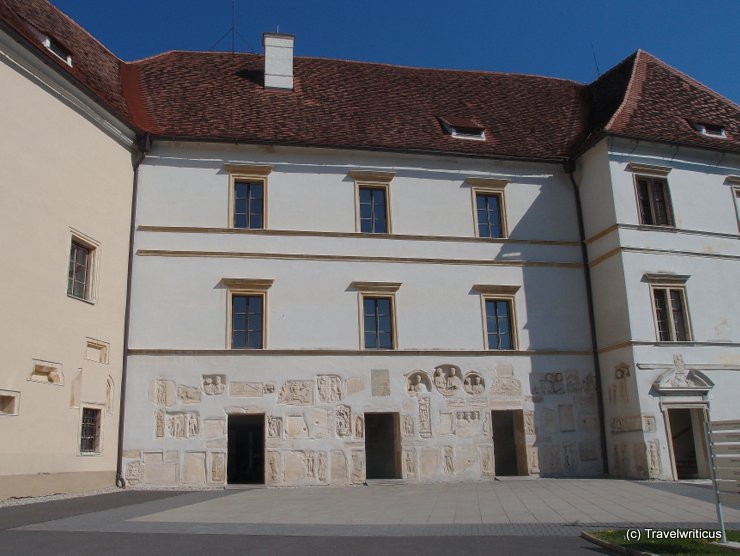
This wall of Seggau Castle (Schloss Seggau) near Leibnitz is a heaven for friends of Roman history. You find there an extensive lapidarium with ancient tombstones. More artefacts are shown at the Roman museum in Wagna nearby.
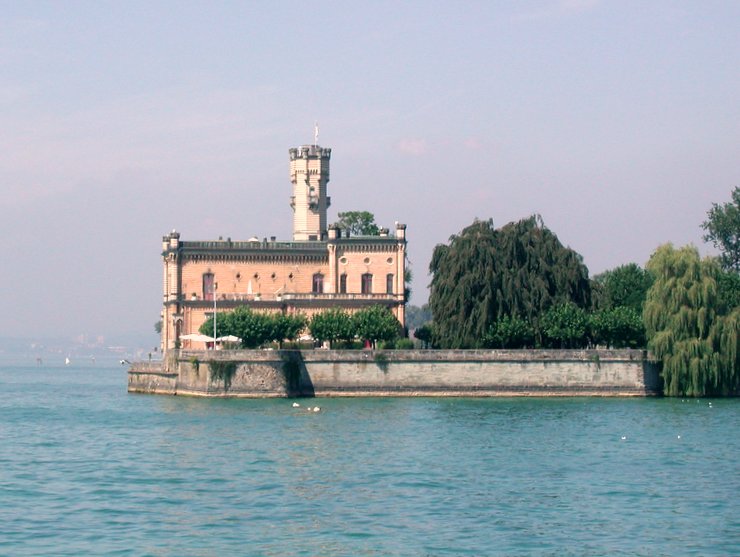
Montfort Castle (Schloss Montfort) is a lakeside palace next to Lake Constance (Bodensee). King William I of Württemberg commissioned this building in 1867. You’ll get this view while taking a boat from Lindau to Friedrichshafen.