
Austria and France signed an armistice in Zámek Slavkov (Slavkov Castle) on Dec 6th, 1805. At that time, the place and the mansion were known by the name Austerlitz. Therefore, French people know the combat as Battle of Austerlitz.
Browse through your travel destination!
Austria and France signed an armistice in Zámek Slavkov (Slavkov Castle) on Dec 6th, 1805. At that time, the place and the mansion were known by the name Austerlitz. Therefore, French people know the combat as Battle of Austerlitz.
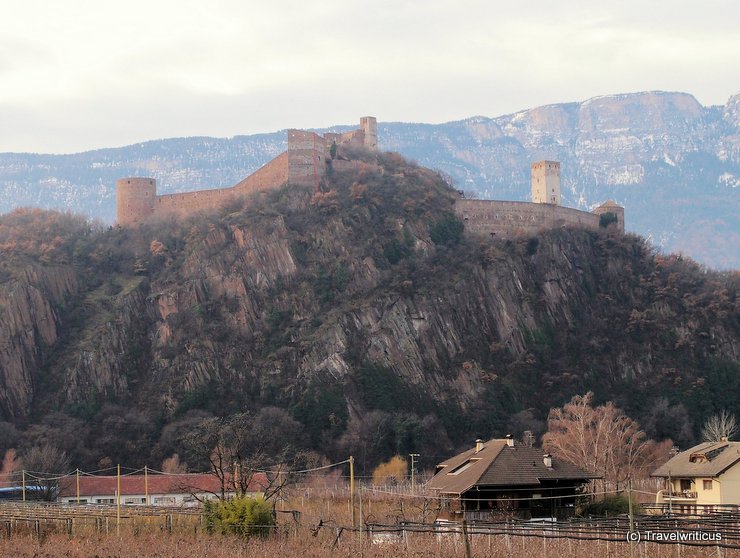
Train riders have this view of Sigmundskron Castle on a rail trip from Bolzano to Merano. The castle saw its first mention in 945. Around 1473, Duke Sigmund the Wealthy converted it into a fortress. Today, it houses a part of the Messner Mountain Museum.

King Charles I of Hungary commissioned the first Royal House in the 14th century. In the 15th century, Matthias Corvinus renewed the palace in late Gothic style. After the Ottoman siege in 1544, the building fell into ruins. Its excavation began in 1934.
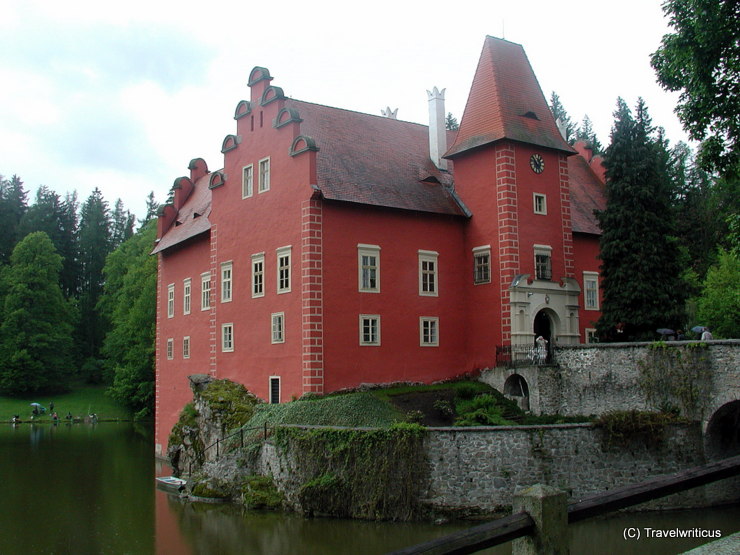
Červená Lhota Castle (Zámek Červená Lhota) in Pluhův Žďár in southern Bohemia is a Renaissance castle on a rock in the middle of an artificial pond. His former German name was Rothlhotta. Fans of fairy tale movies may know it as a film location.
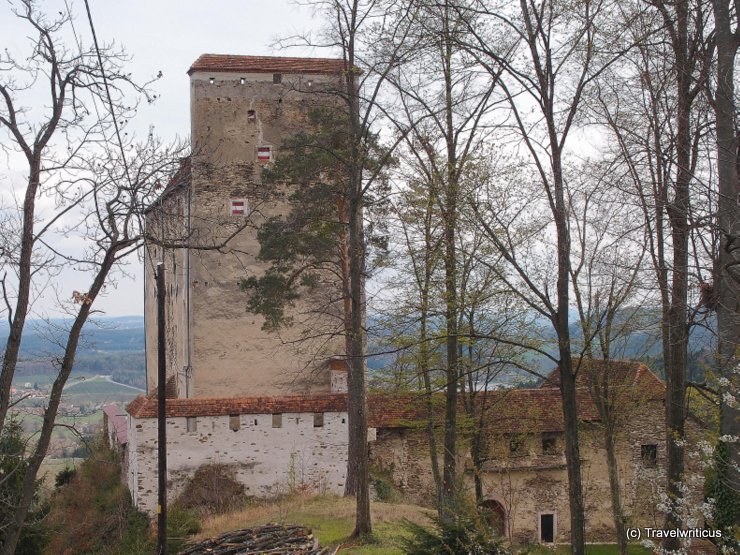
Neuhaus Castle (Burg Neuhaus) stands in a forest near the Styrian place of Stubenberg am See. The owner offers tower apartments for holidays near Stubenberg Lake.
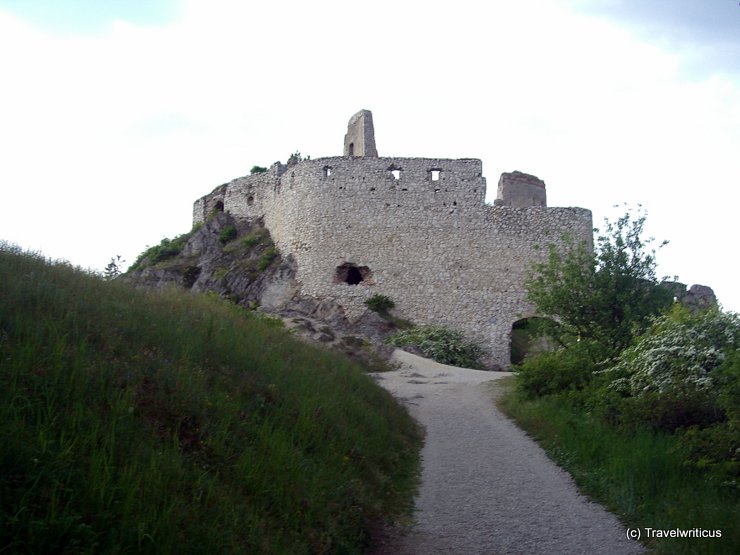
Čachtice Castle (Čachtický hrad) was the residence and later the prison of “Blood Countess” Erzsébet Báthory. She became imprisoned after having been accused of being a serial murderer. She died there in the year 1614.
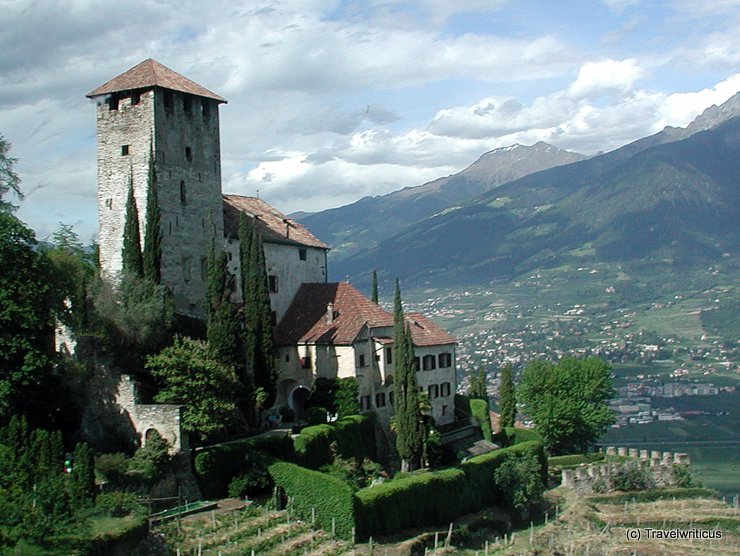
Lebenberg Castle (Castel Monteleone) is a 13th-century castle in Tscherms, a place in the region of Merano. During a guided tour, you experience a fully furnished castle with a Rococo-style hall of mirrors and a three-floor high chapel of the 14th century.
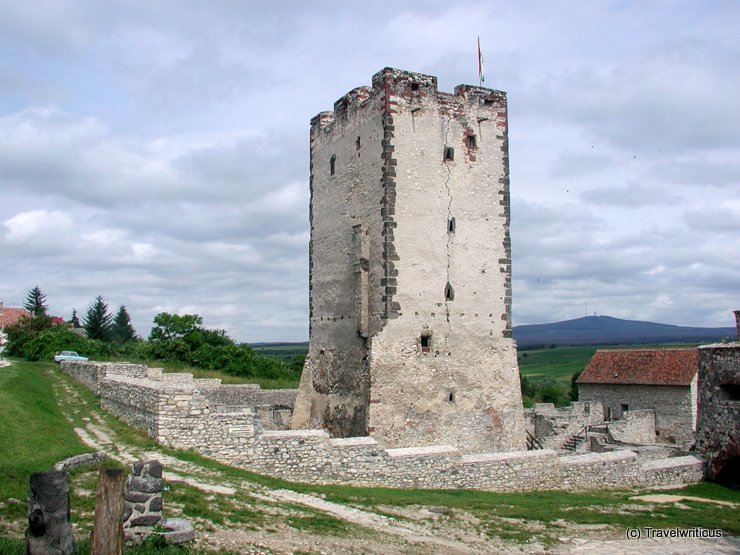
This tower is part of the former stronghold of the legendary Hungarian military leader Pál Kinizsi. By climbing up this tower of Kinizsi-vár (Kinizsi Castle), I learned something new about the interior of residential towers in earlier ages.
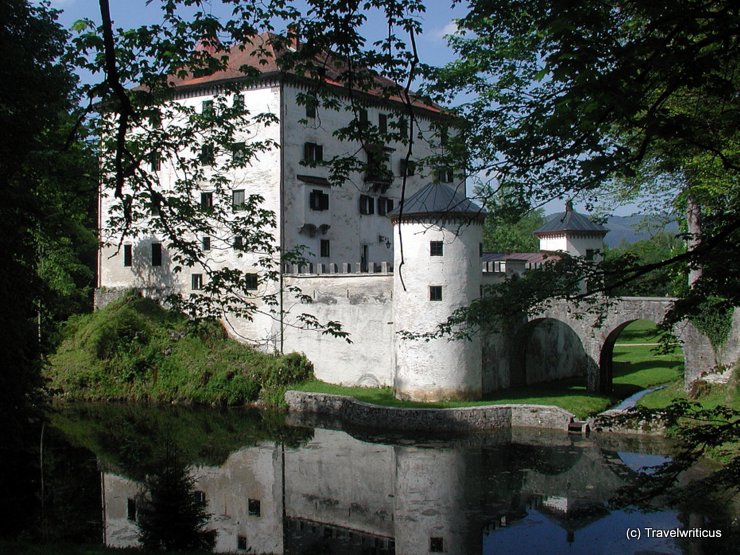
Snežnik Castle (Grad Snežnik) in Kozarišče saw its first mention in 1268. Visitors enjoy the interior and the furniture of a noble family living in the 19th/20th century. Besides, you will be delighted by its location next to a small pond.
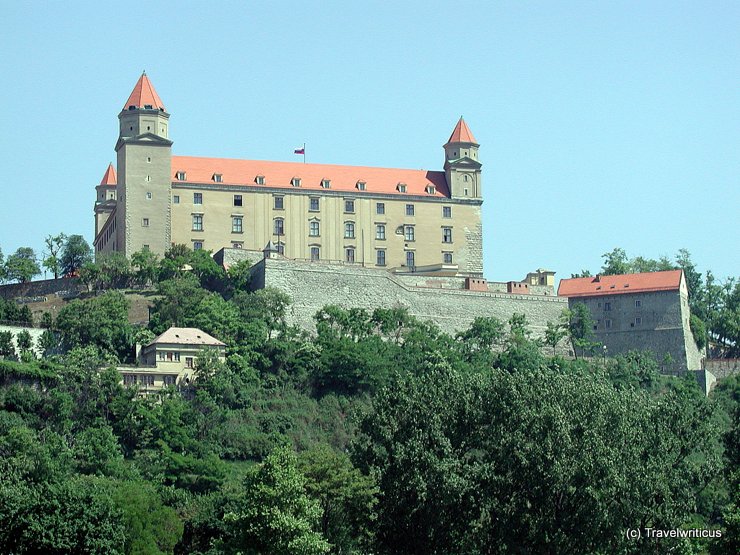
Castle buffs get this view of Bratislava Castle (Bratislavský hrad) while cruising the Danube River. Several companies pass the castle by boat. For example, the Twin City Liner runs on the route Vienna – Bratislava.
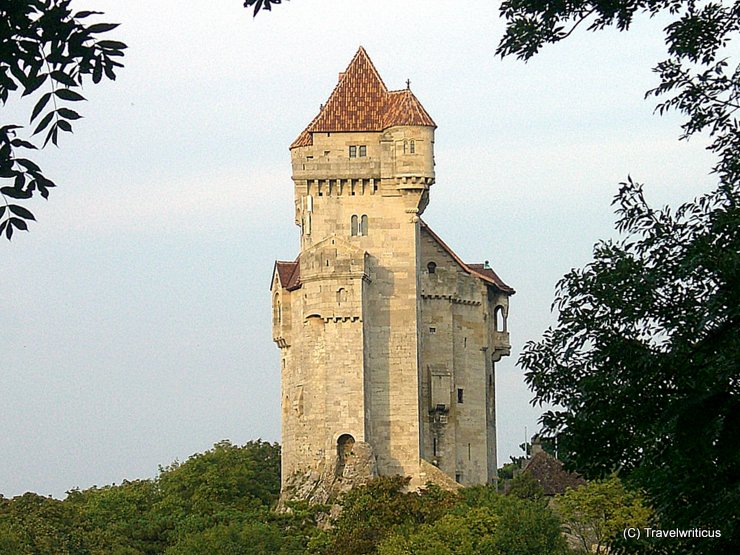
Liechtenstein Castle (Burg Liechtenstein) is the ancestral seat of the House of Liechtenstein. The chief of this family still rules the European state of Liechtenstein. The castle was destroyed during the Ottoman wars and rebuilt in the 19th century.
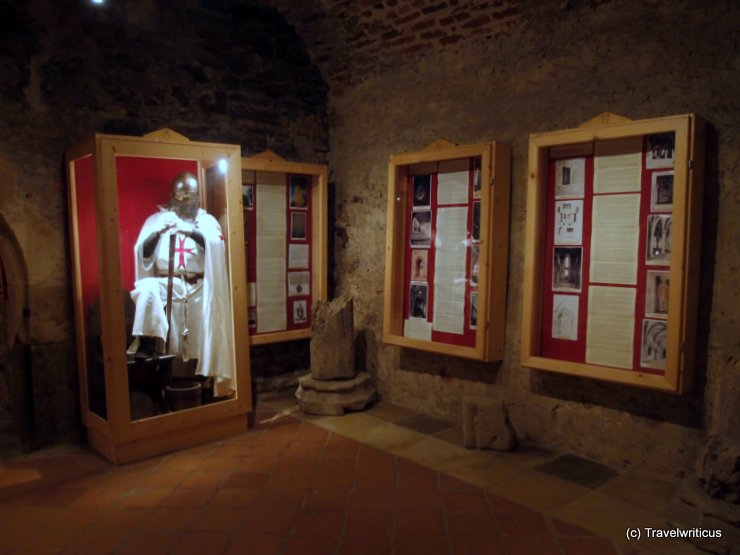
The Templar Museum at Lockenhaus Castle in the Austrian state of Burgenland presents the history of the Knights Templar. Besides that, it talks about Austrian places related to this military order. Lockenhaus Castle is considered one of them.