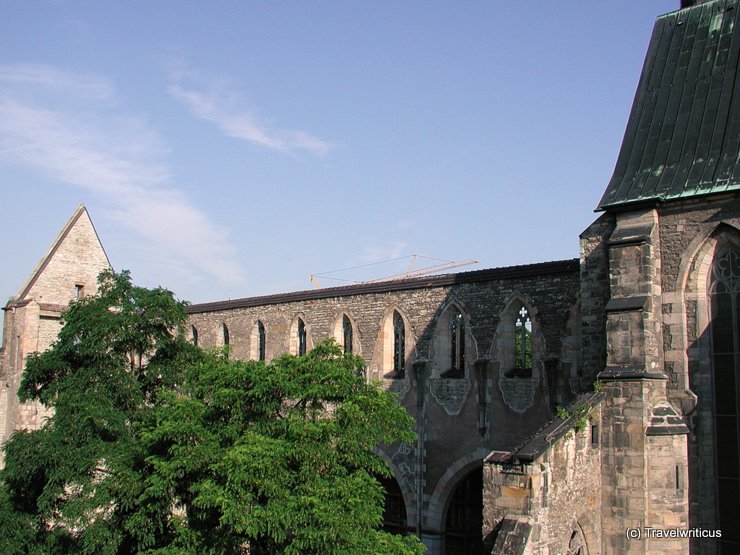
During a stay at an IBIS hotel in Erfurt, I had this view from my room: It shows the ruins of the Barfüsserkirche, a church named after an order of the Franciscan (Barfüsser). A bombing raid destroyed the building in 1944.
Browse through your travel destination!
During a stay at an IBIS hotel in Erfurt, I had this view from my room: It shows the ruins of the Barfüsserkirche, a church named after an order of the Franciscan (Barfüsser). A bombing raid destroyed the building in 1944.
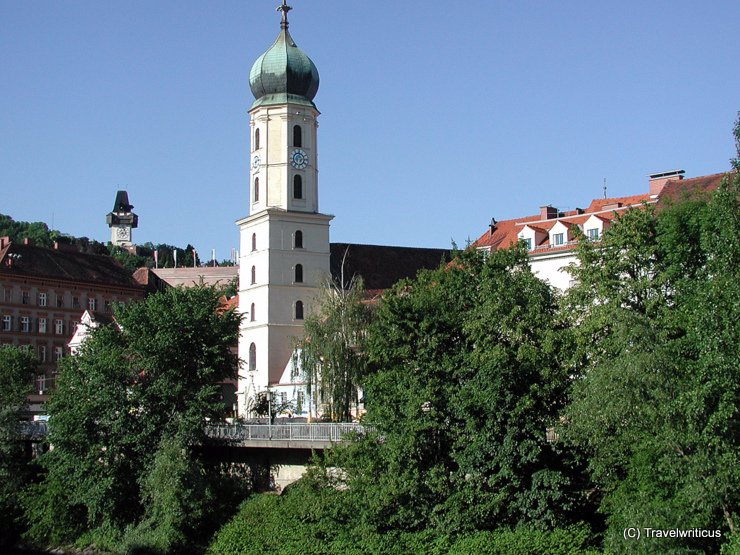
Two beauties of Graz: The landmark of Graz named Uhrturm in the background and the Franciscan Church (Franziskanerkirche) in the foreground. The church, with its remarkable tower, is part of the oldest monastery in the city.
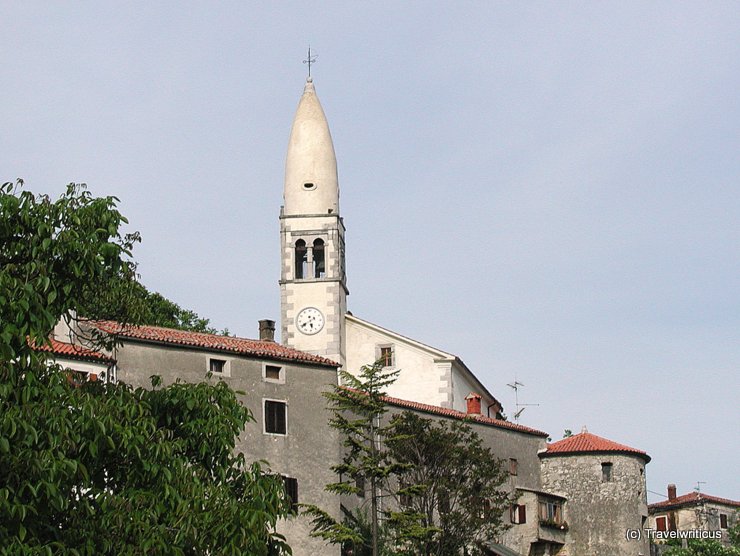
St Daniel’s Church in Štanjel (Italian: San Daniele del Carso) saw its construction in the 15th century. At that time, it served as the burial vault of the Counts of Cobenzl. The eye-catching church steeple dates back to 1609.
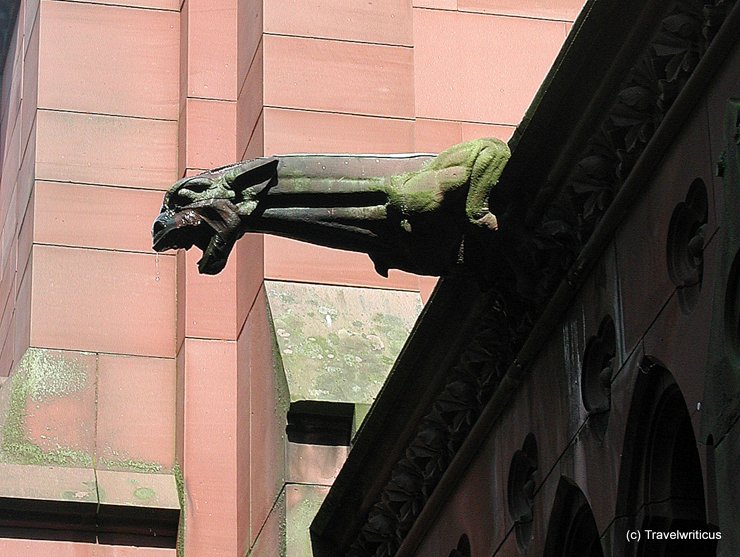
The Sepulchral Chapel (Großherzogliche Grabkapelle Karlsruhe) was commissioned by Grand Duke Friedrich I of Baden and his wife, Luise of Prussia. Five of seven Grand Dukes of Baden found their last rest in this chapel.
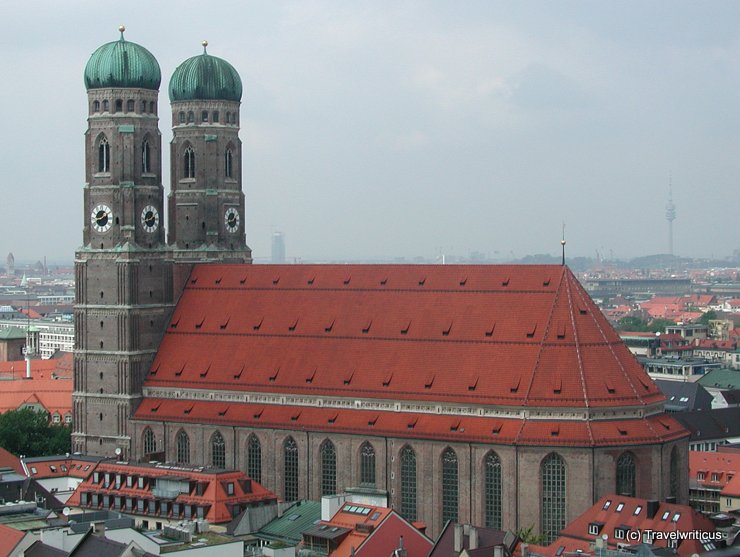
The Frauenkirche (Cathedral of Our Blessed Lady), also known as Münchner Dom, is the largest church in Munich, the capital of Bavaria. You’ll get this view after climbing up the tower of another church called St. Peter.
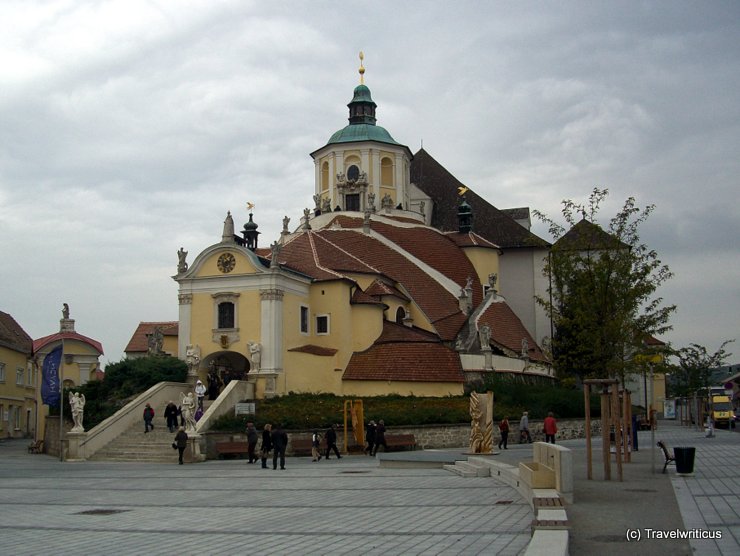
The church named Bergkirche (Hill Church) saw its construction in 1715. As the Austrian composer Joseph Haydn found his last rest in a mausoleum inside, the church is also known as Haydnkirche.
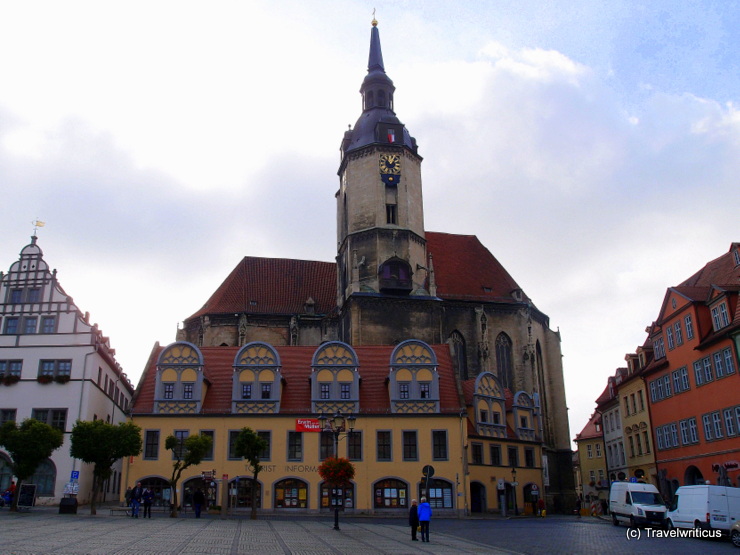
The church of St. Wenceslaus (Stadtpfarrkirche St. Wenzel) in Naumburg (Saale) saw its completion in the 15th century. It is famous for paintings by Lucas Cranach the Elder and a Baroque organ named Hildebrandt-Orgel.
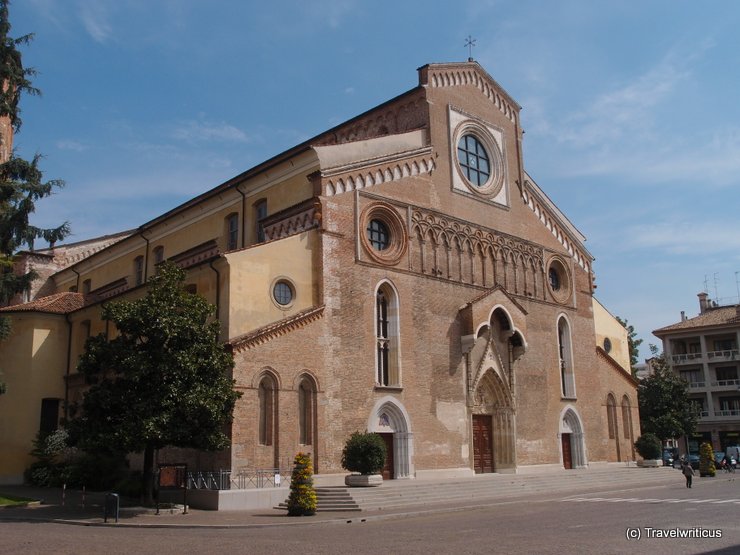
This photo shows the Cathedral of Udine (Duomo Cattedrale di Santa Maria Annunziata) in the light of the noonday sun. Inside, you find works created by Giambattista Tiepolo. Another good place to learn more about this artist is the Diocesan Museum of Udine.
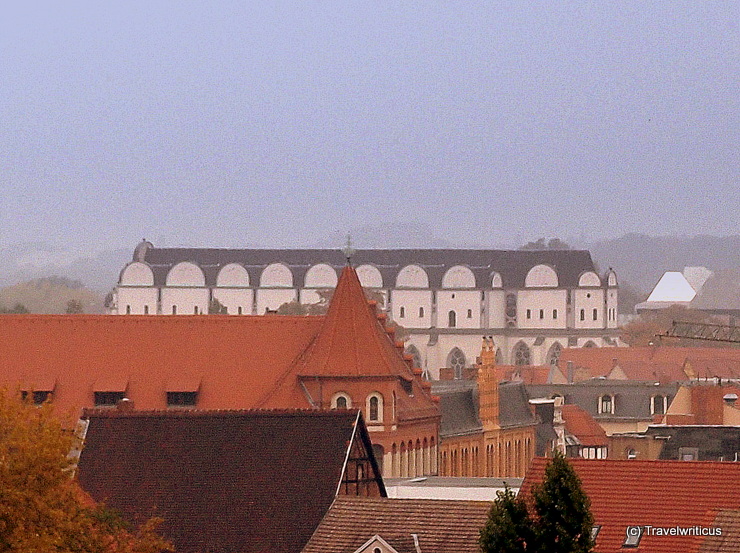
The church was constructed by the mendicant order of the Franciscans. That explains why there is no tower. Even though it isn’t a real cathedral, the people of Halle still call it a Dom (Cathedral).
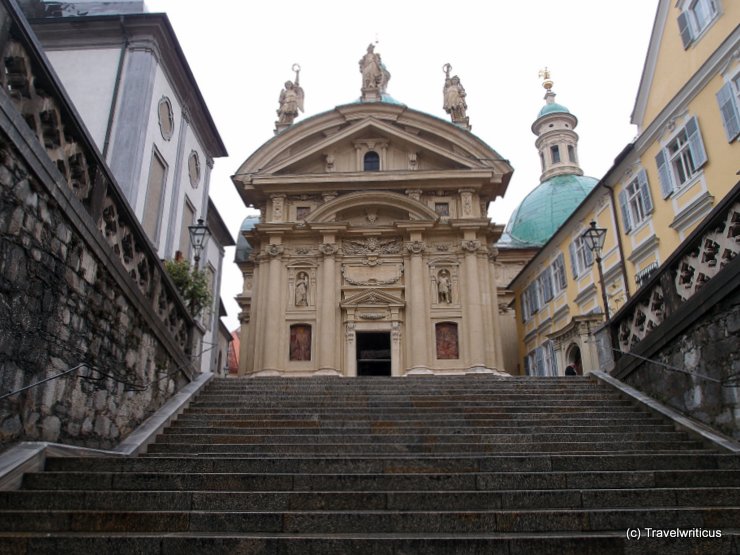
Even though Graz is an Austrian city, several parts look pretty Italian. An example of this impression is the Mausoleum of Ferdinand II. Its architect was the Italian Giovanni Pietro de Pomis.
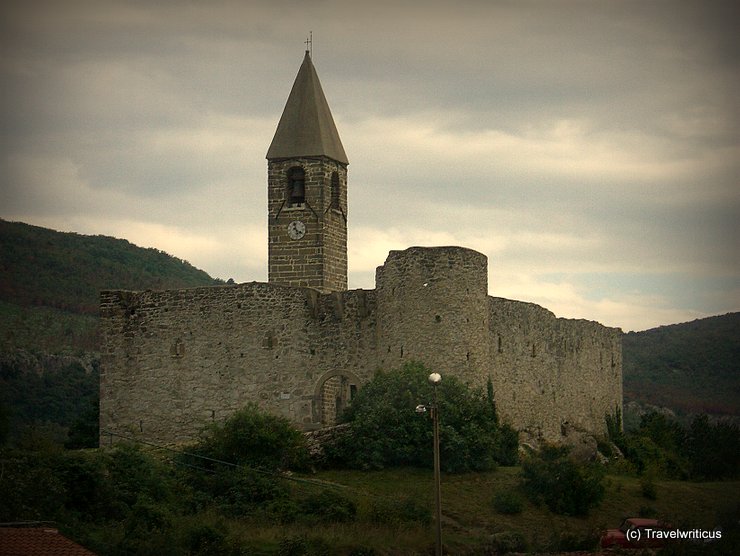
The Holy Trinity Church (cerkev sv. Trojice) in Hrastovlje formed a fortified church earlier. Today, it offers an outstanding range of frescoes inside. The depictions show both biblical events and a dance macabre.
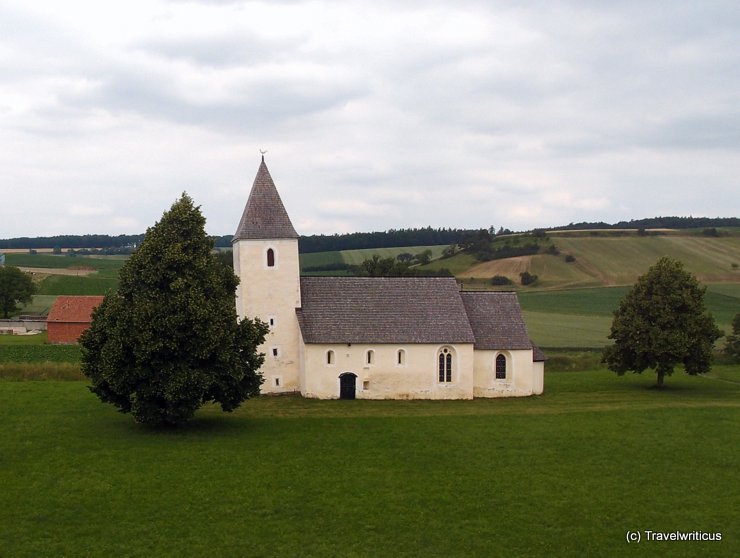
St. Martin is a Roman Catholic church in the Lanzendorf district of Böheimkirchen. First documented in 1248, the church has preserved its Romanesque architecture, standing prominently in an open field visible to travellers on the historic Westbahn railroad.