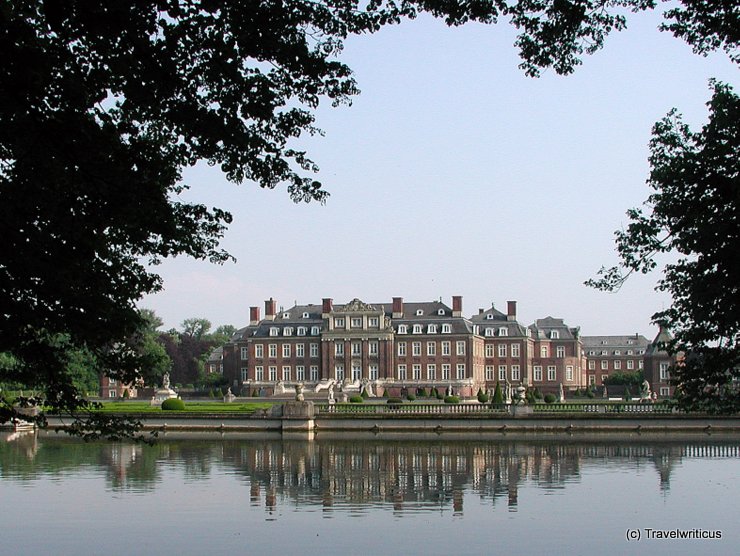
Nordkirchen Castle (Schloss Nordkirchen) is the largest palace with a moat in the region of Westphalia. The present palace, also known as “Versailles of Westphalia”, dates back to the 18th century.
Browse through your travel destination!
Nordkirchen Castle (Schloss Nordkirchen) is the largest palace with a moat in the region of Westphalia. The present palace, also known as “Versailles of Westphalia”, dates back to the 18th century.
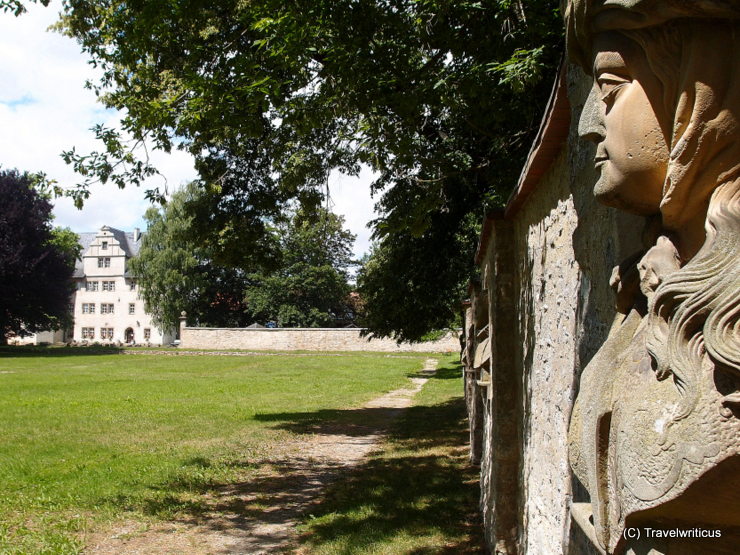
Cycling the Ilm Valley Cycle Path you may visit the Kromsdorf Renaissance Palace. Visiting the castle grounds you will be awarded with 64 stone busts decorating the garden wall. There meaning is still disputed.

Schloss Hof is the largest castle of the five Marchfeld Palaces between Vienna and Bratislava. Two famous owners – Prince Eugene of Savoy and Empress Maria Therese – transformed it into a Baroque gem with a French garden stretched onto seven terraces.
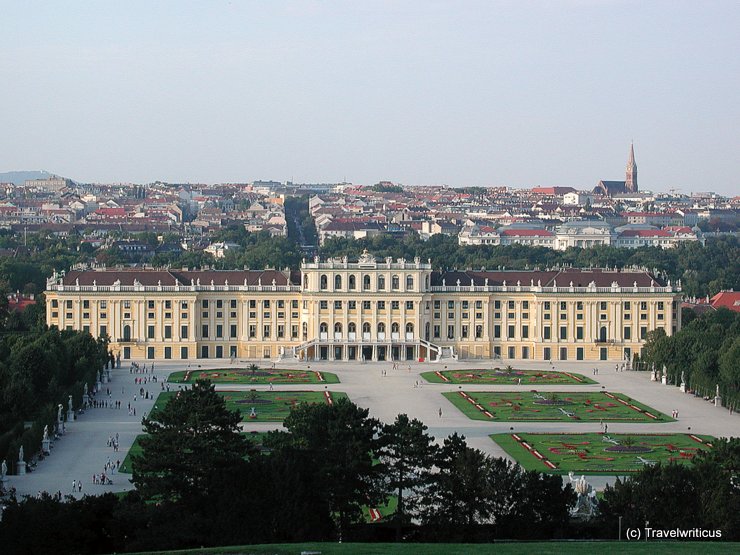
You get this sight of Schönbrunn Palace (Schloss Schönbrunn) from the nearby Gloriette. Inside, audio guide tours let you get in touch with the state apartments of the Imperial family. So you will see the office where Emperor Franz Joseph I used to work.
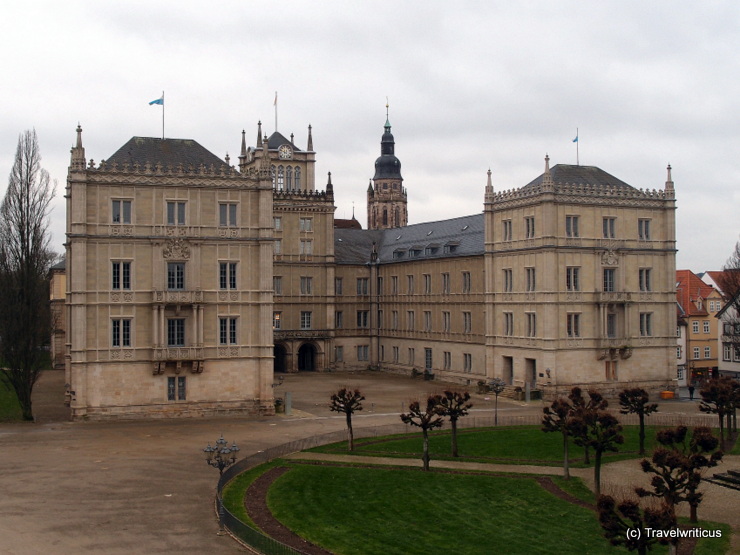
Ehrenburg Palace (Schloss Ehrenburg) was the residential palace of the dukes of Saxe-Coburg until 1918. Its present façade in the English Gothic Revival style is a work by Karl Friedrich Schinkel at the beginning of the 19th century.
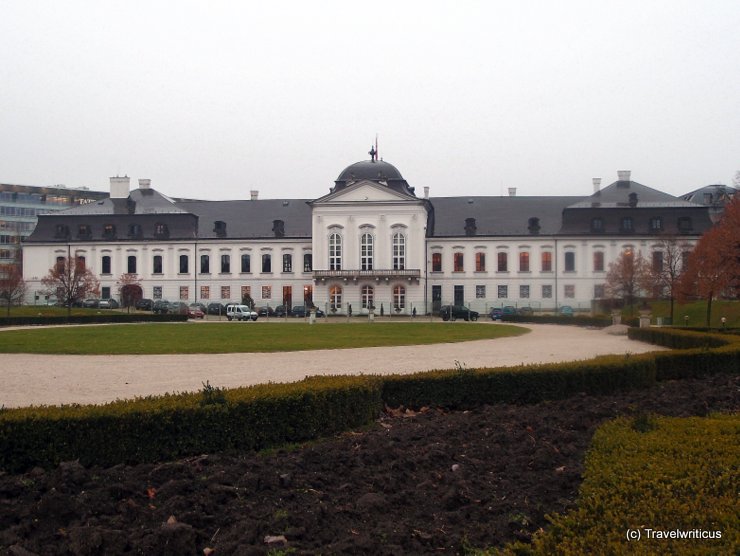
This pic shows a view of the Grassalkovich Palace (Grasalkovičov palác) in Bratislava, taken from a nearby park. Today, this building forms the residence of the Slovakian president. A transparent wall allows visitors to catch pictures like this one.
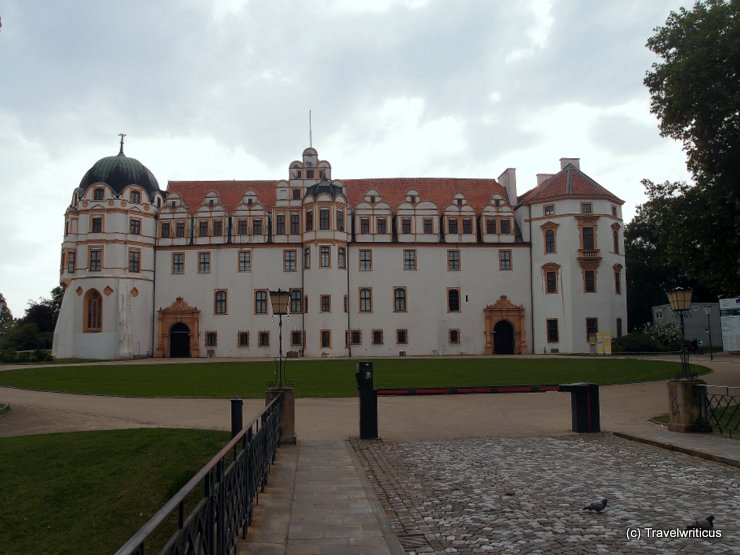
Schloss Celle in Lower Saxony blends Renaissance and Baroque styles, evolving from a 13th-century fortress into a Brunswick-Lüneburg residence. Visitors can explore the Residenzmuseum, chapel, and theatre, reflecting over 700 years of cultural history.
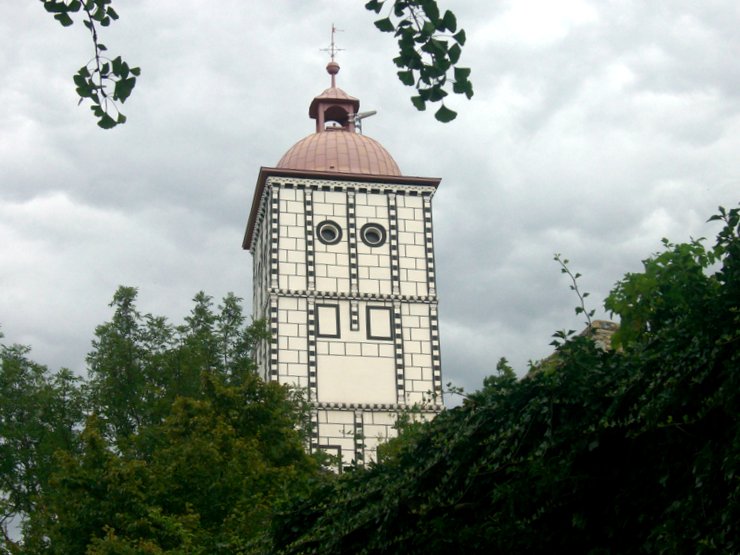
While approaching Schallaburg Castle on foot, you first see this tower. It gives an impression of the beauty of this Renaissance palace in the Austrian state of Lower Austria (Niederösterreich). Today, the castle is known for remarkable exhibitions.
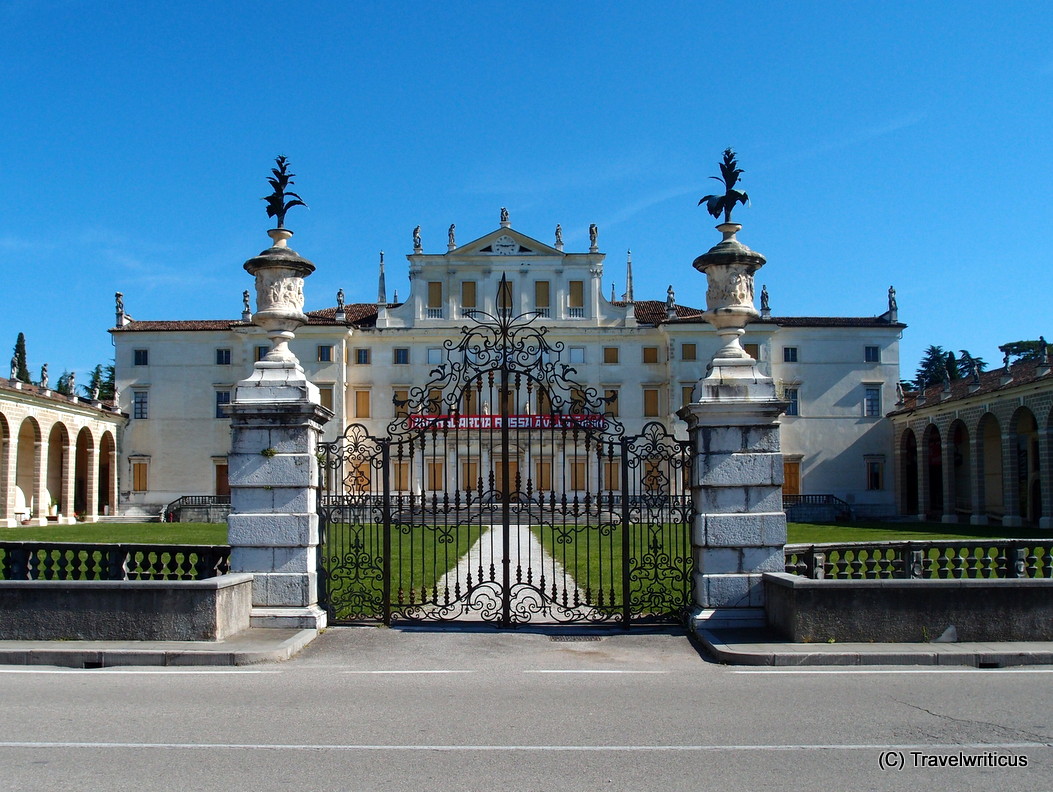
On 17 October 1797, France and Austria signed the Treaty of Campo Formio in this villa. This event ended the War of the First Coalition. Today, the estate houses a collection of antique carriages and an armoury. In addition, the villa is a popular venue.
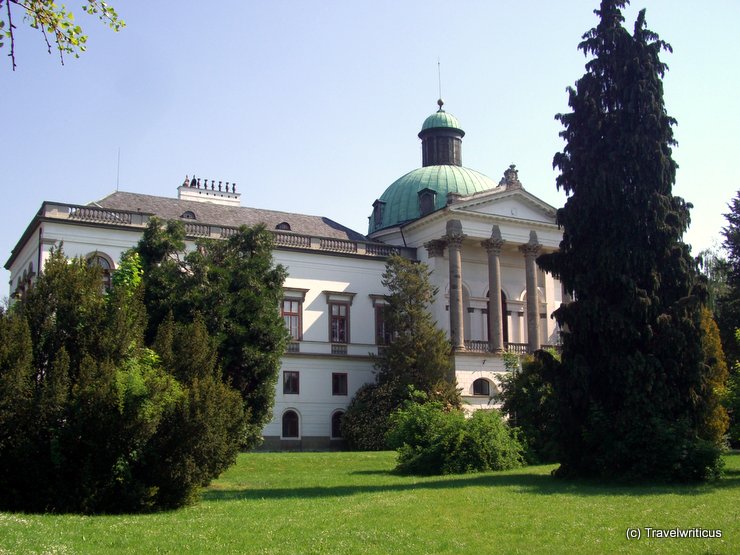
Topoľčianky Palace (Zámok Topoľčianky) used to be the summer retreat of the first president of Czechoslovakia. Near the castle, you find a stud for Lipizzaner horses and a reserve for European Bisons.
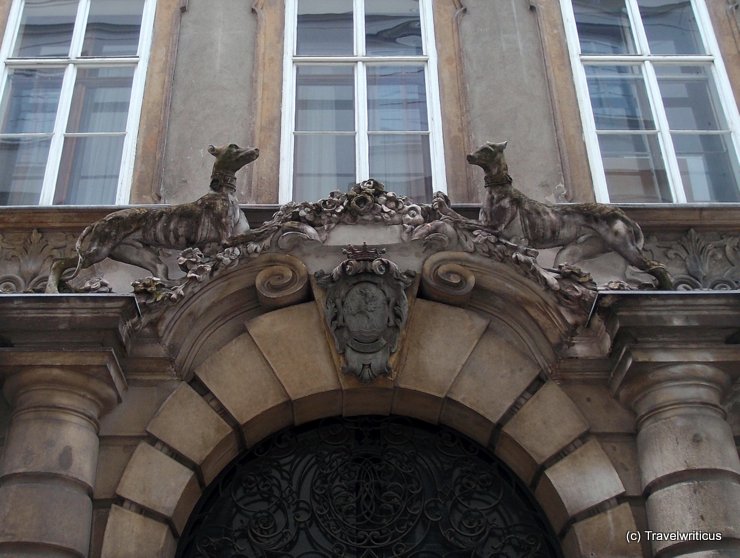
The Palais Fürstenberg, located on the Grünangergasse, was finished by Antonio Beduzzi from Bologna in 1720. I was especially impressed by those sculptures of two classy dogs who guarded the palace portal.
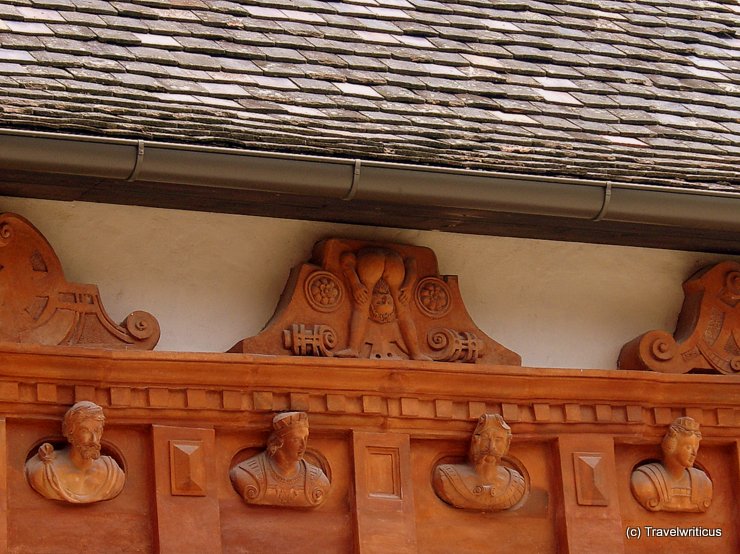
You find this peculiar detail at Schallaburg Castle (Schallaburg): A sculpture of a man showing his bottom. Such sculptures served as a defence against harm and evil spirits. Together with the Dog Lady, it is one of the most fascinating sculptures in this palace.