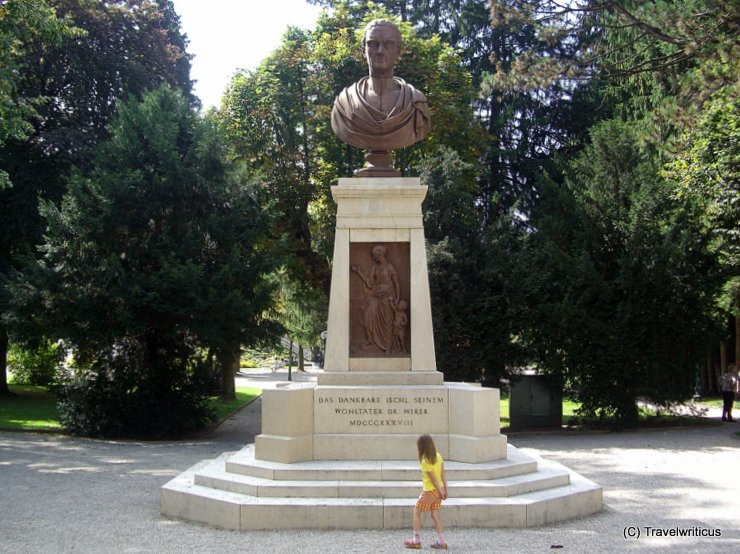
This monument commemorates Franz Wirer von Rettenbach. He is considered the founder of the first Austrian saline water health spa in Bad Ischl. You find his sculpture in the spa park of Bad Ischl.
Browse through your travel destination!
This monument commemorates Franz Wirer von Rettenbach. He is considered the founder of the first Austrian saline water health spa in Bad Ischl. You find his sculpture in the spa park of Bad Ischl.
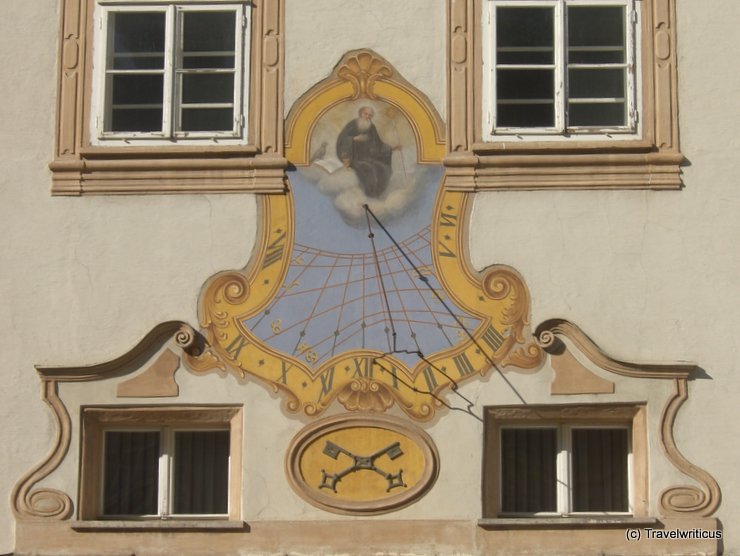
You find this sundial in a yard of St Peter’s Archabbey (Erzabtei St. Peter) in Salzburg. While looking at this fresco, two questions arise: Who is the bearded man, and what do the keys mean? The answer lies in the history of the abbey.
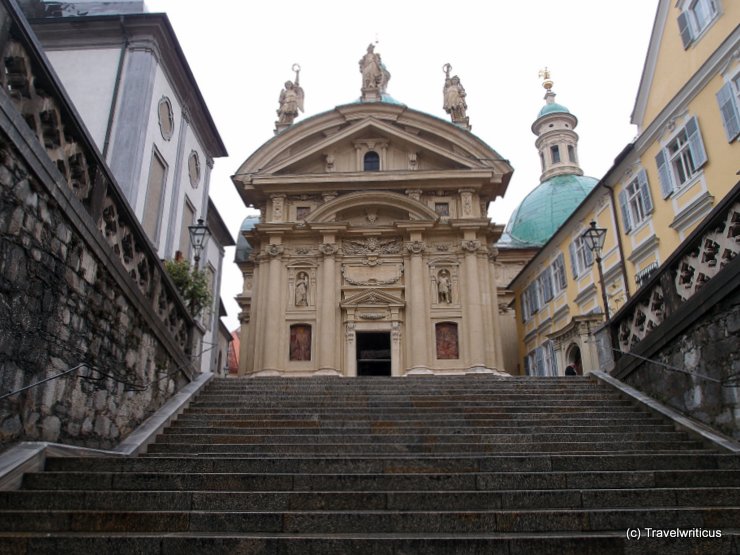
Even though Graz is an Austrian city, several parts look pretty Italian. An example of this impression is the Mausoleum of Ferdinand II. Its architect was the Italian Giovanni Pietro de Pomis.
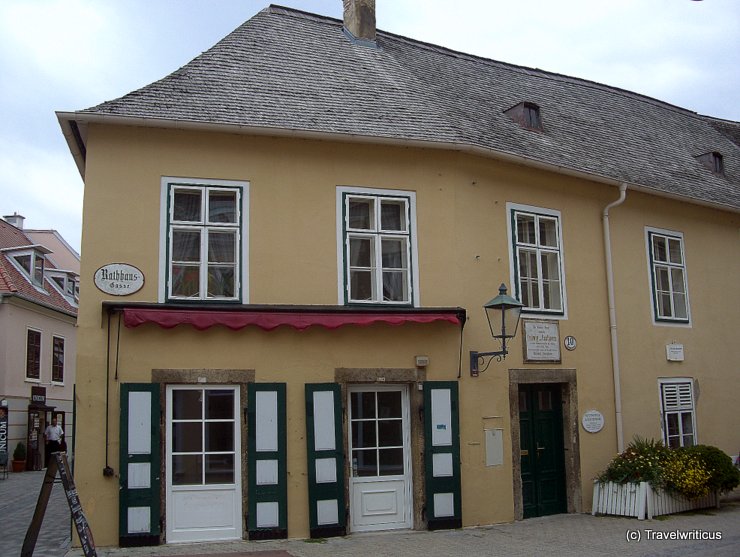
Ludwig van Beethoven stayed in Baden bei Wien several times. For example, he composed parts of his famous 9th symphony in this house. Today, this building accommodates a museum with the name Beethovenhaus Baden.
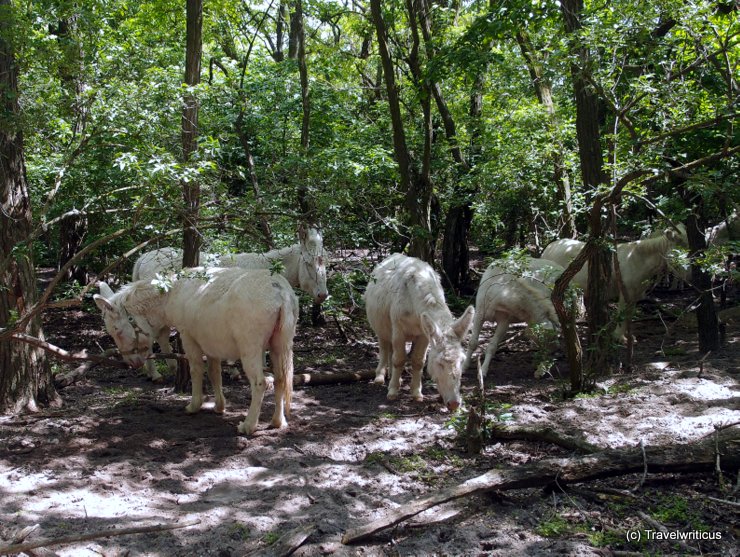
In Austria, White Baroque Donkeys are called Österreichisch-Ungarischer Weißer Barockesel. You find them in the National Park Neusiedler See-Seewinkel. They are a special breed dating back to the monarchy when white animals were en vogue.
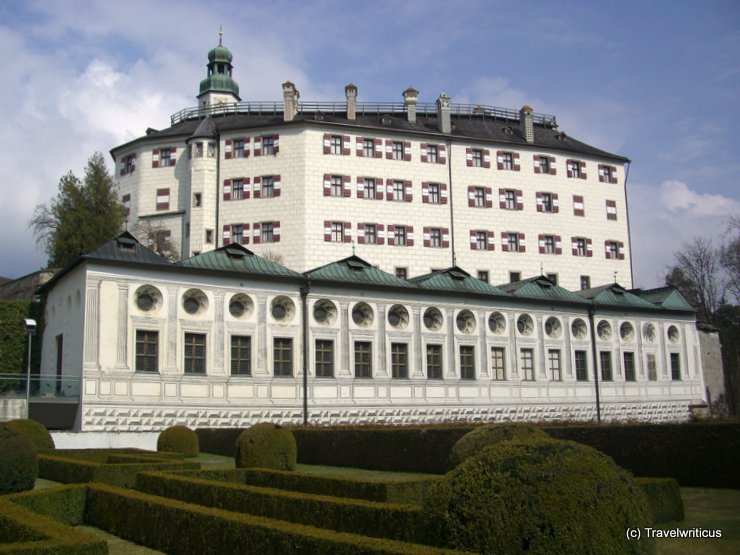
Ambras Castle (Schloss Ambras) offers a chamber of art and curiosities. In this museum, you see a portrait of Vlad III, Prince of Wallachia, who is supposed to be the inspiration for Bram Stoker’s novel ‘Dracula’.
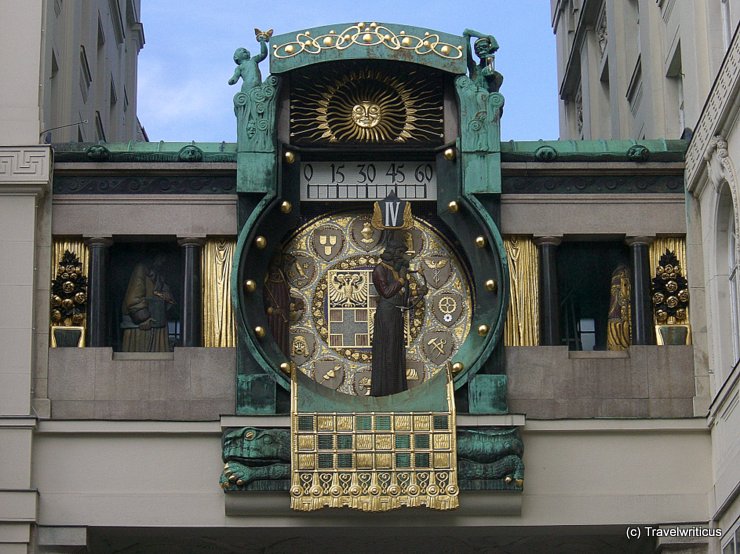
This clock shows a different historical figure in Austrian history every hour. You find the Ankeruhr in a skyway between two buildings at the “Hoher Markt” Square (1. District).
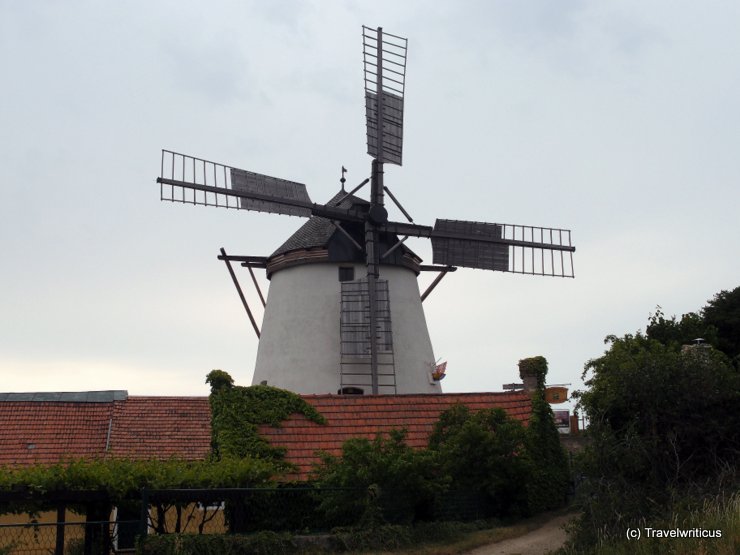
There are only two windmills still working in Austria. One of them stands in the city of Retz. You find his place in the wine-growing area of Weinviertel.
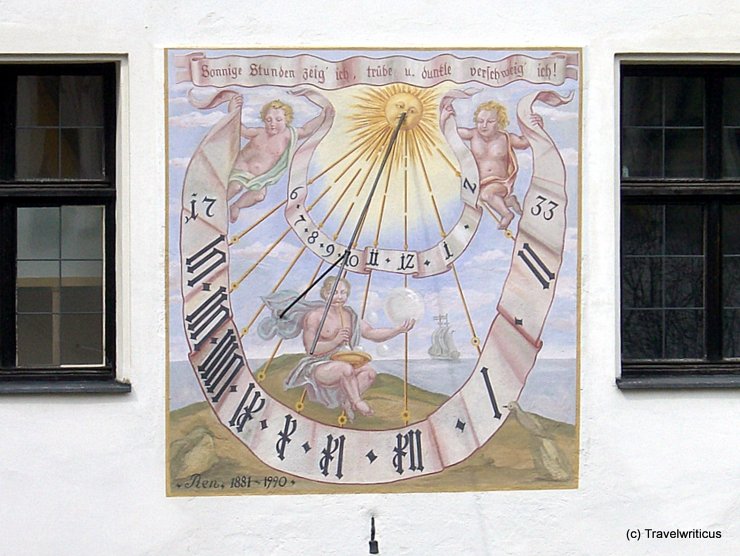
You find this sundial on a building of the Kufstein Fortress. Kufstein is a place in the Austrian state of Tyrol. Remarkably, this sundial shows a large sailing ship in a region which has no coast to the sea.
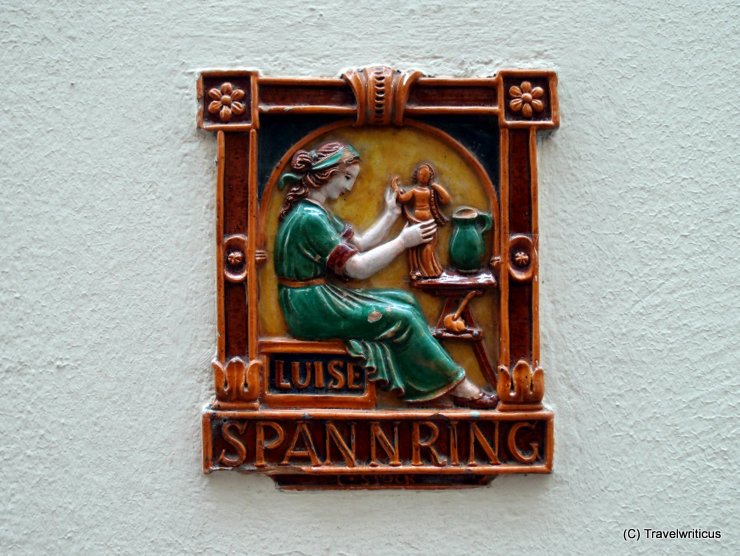
This tile in the Steingasse reminded me of the fact that a lot of stove setters (Hafner) used to work in this street. Luise Spannring is a known name as well. She became famous for running a ceramic school and creating nativity scenes made of ceramic.
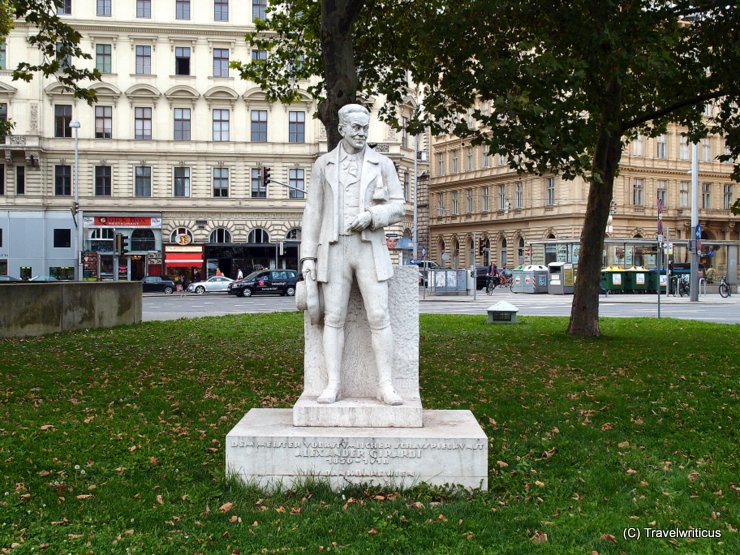
On a small green square near the Karlsplatz in Vienna, You find this monument to Alexander Girardi. He was a famous actor in Austria before 1918. Do you see the wood plane under his arm? This tool refers to one of his roles.
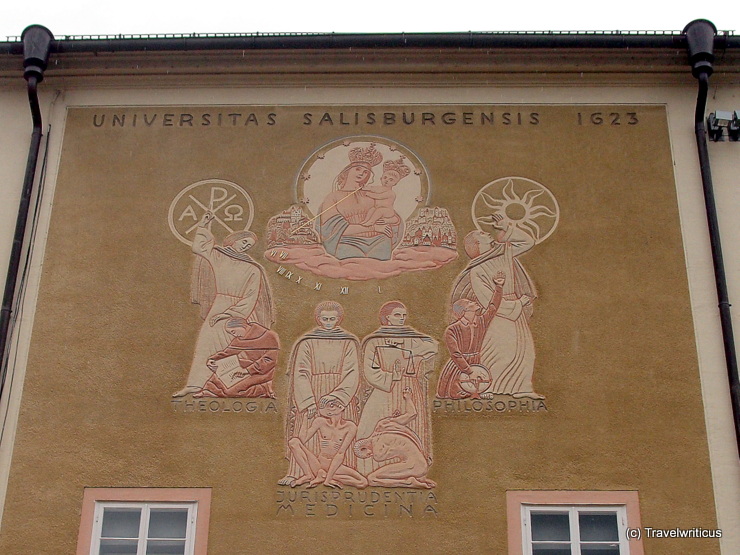
This fresco with a sundial is located on a wall of the Old Salzburg University. Its creator was Georg Jung (1899-1957). The depictions refer to the four faculties of that university in 1622.