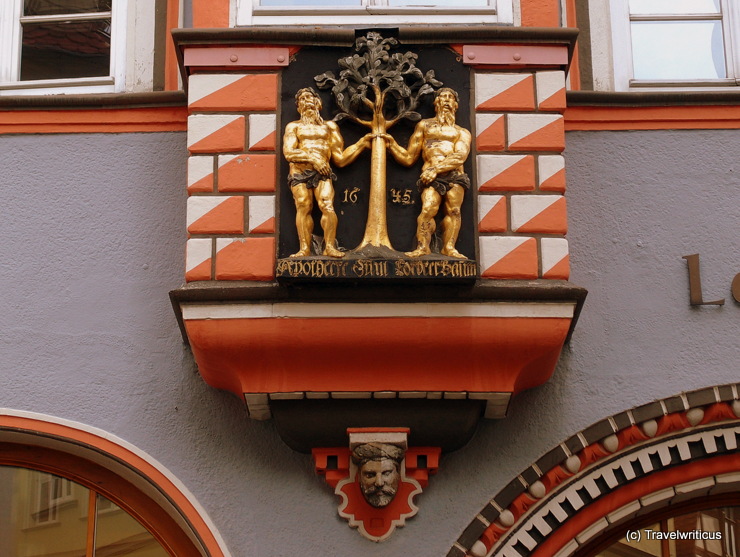
This relief displaying a laurel tree and two men is fixed at a 16th-century building with the address Herrenstraße 2 in Naumburg (Saale). The building houses a pharmacy named Lorbeerbaum Apotheke (Laurel Tree Pharmacy).
Browse through your travel destination!
This relief displaying a laurel tree and two men is fixed at a 16th-century building with the address Herrenstraße 2 in Naumburg (Saale). The building houses a pharmacy named Lorbeerbaum Apotheke (Laurel Tree Pharmacy).
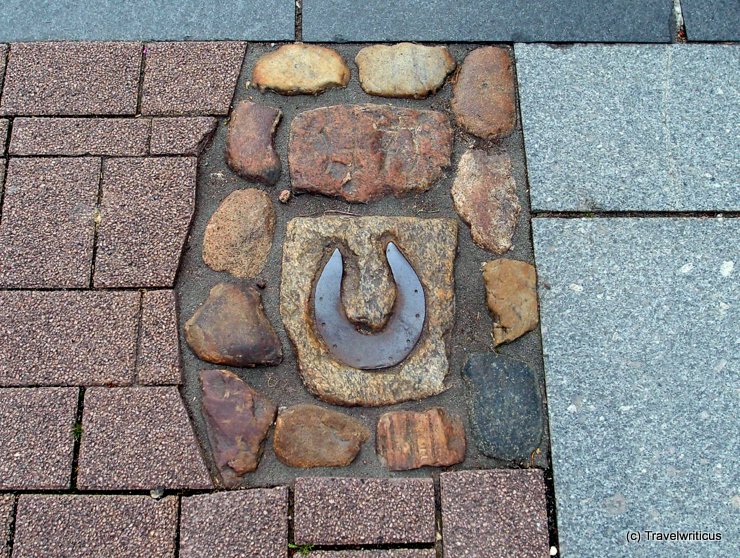
A horseshoe on the Stechbahn in Celle indicates the death place of Otto V, Duke of Brunswick-Lüneburg. He died during a tournament right on this very spot. Well, this detail in the streets of Celle proves that a horseshoe does not always symbolise luck.
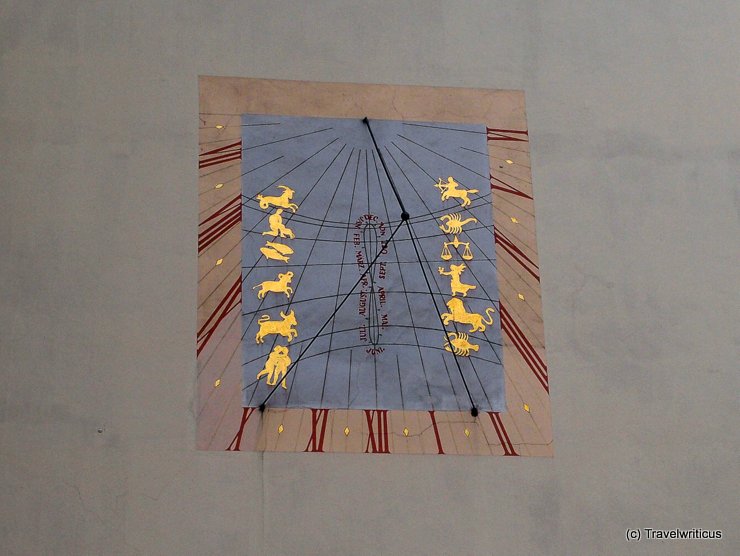
The Zwehrenturm, standing next to the Fridericianum in Kassel, is a remnant of the old town fortifications. A sundial with multiple hour lines, dating back to the 18th century, adds a colourful touch to the white tower. Its golden symbols represent the zodiacs.
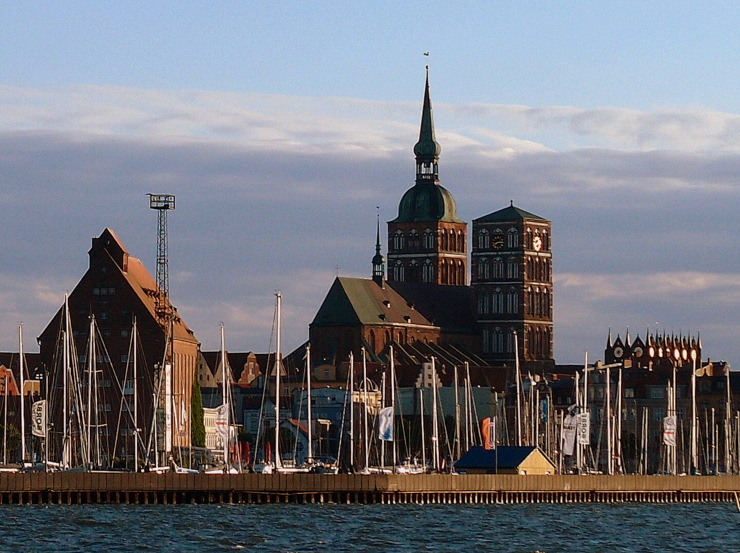
St. Nicholas Church (Nikolaikirche) in Stralsund is known for its different roofs on its towers. Only the southern tower is covered with a Baroque roof; the other tower has a nearly flat one. Another worth-seeing attraction is the astronomical clock inside.
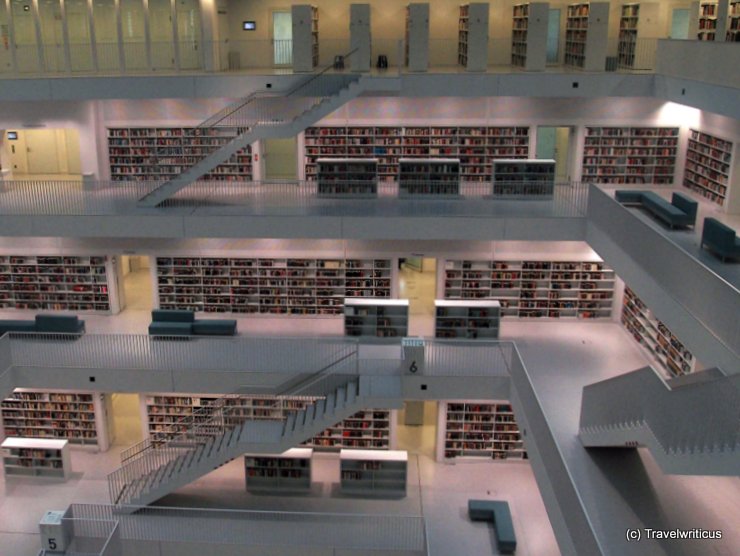
The current municipal library (Stadtbibliothek) of Stuttgart was opened in 2011. Lovers of endless bookshelves find this remarkable interior, designed by Korean architect Eun Young Yi, at the Mailänder Platz.
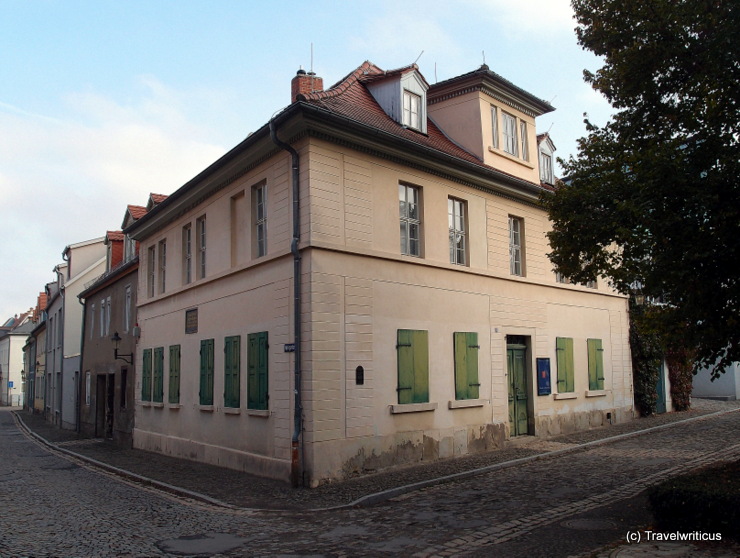
The Nietzsche-Haus museum opened in 1994. A permanent exhibition is devoted to the life and work of the philosopher Friedrich Nietzsche. The Nietzsche Documentation Centre, also housed here, is concerned with researching the reception of Nietzsche’s works.
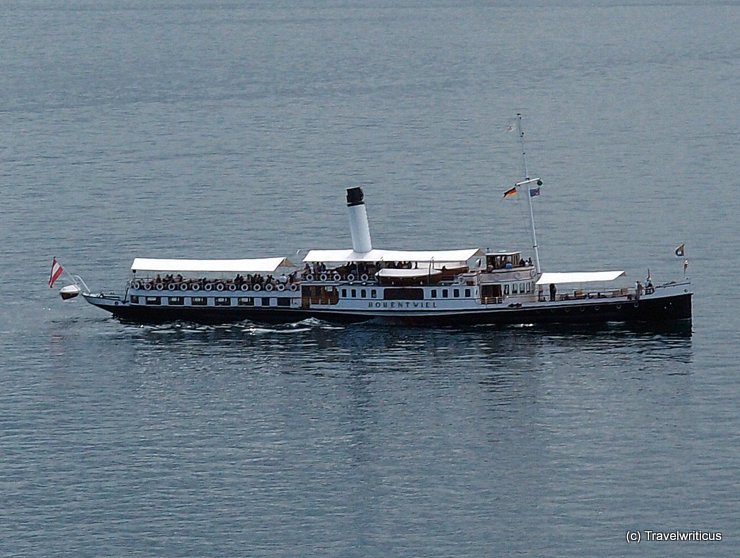
The Hohentwiel serves as a paddle-wheel steamer on Lake Constance (Bodensee). Dating back to 1913, it is the only operational steamship and the oldest continuously operating passenger ship still in service on the lake. The home port of the Austrian ship is near Bregenz.
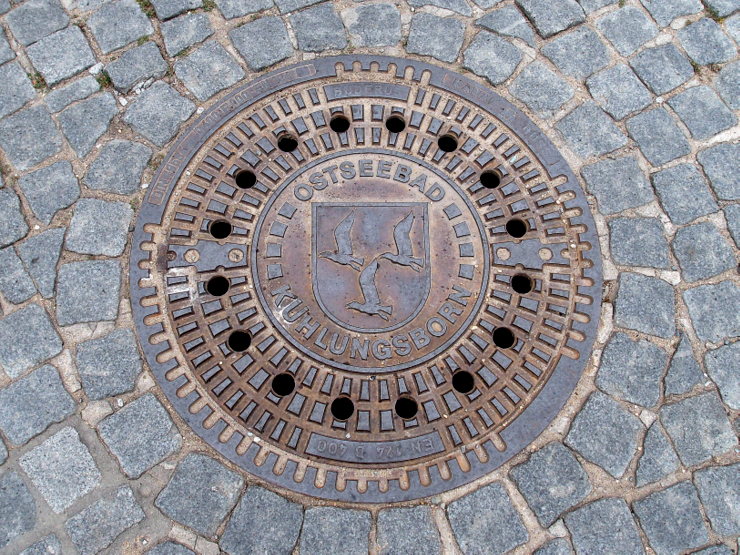
The manhole covers in Kühlungsborn show the arms of the city. The coat of arms displays three silver seagulls in a blue field. The title Ostseebad refers to the fact that Kühlungsborn is a seaside resort at the Baltic Sea (Ostsee).
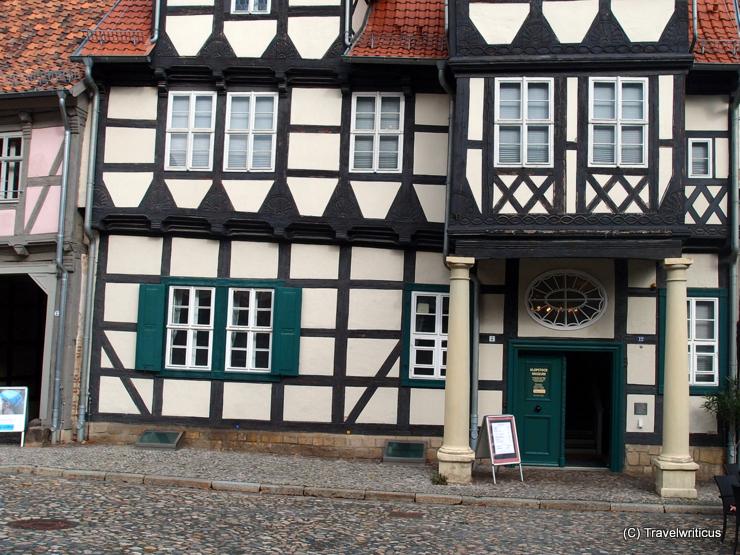
German writer Friedrich Gottlieb Klopstock was born in this building on July 2nd, 1724. Today it houses a museum about his works, e.g. the epic poem ‘The Messiah’ (Der Messias). Biographies of several additional local personalities complete the exhibition.
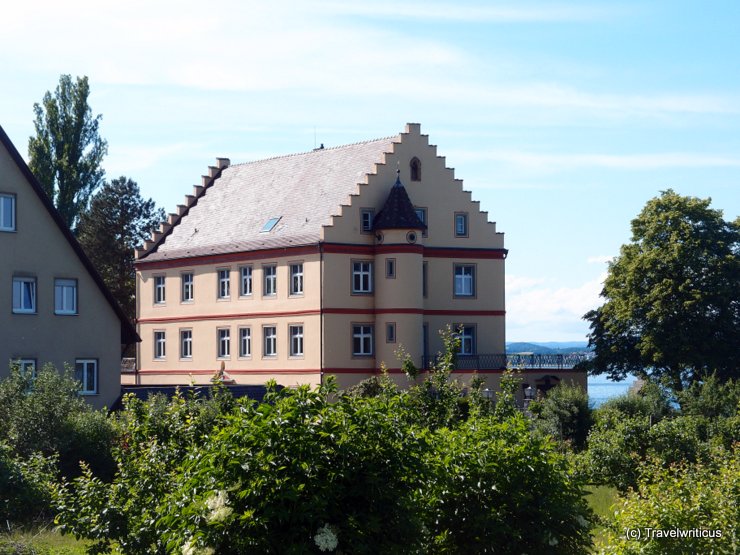
Windegg Mansion (Schloss Windegg), also known as the ‘Bürgle‘, was founded in the 14th century as a guesthouse for a nearby abbey. There is a rumour that Pope Martin V stayed here for some time after his election in 1417 at the Council of Constance.
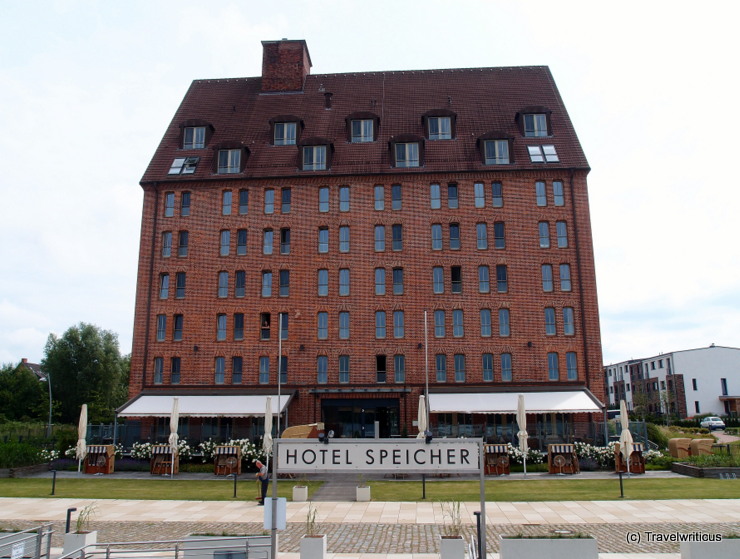
Visitors find the Hotel Speicher am Ziegelsee in a former granary dating back to 1939. The edifice is situated next to a lake named Ziegelsee, which is why guests can reach the hotel by boat. The sign HOTEL SPEICHER is the name board of the boat station.
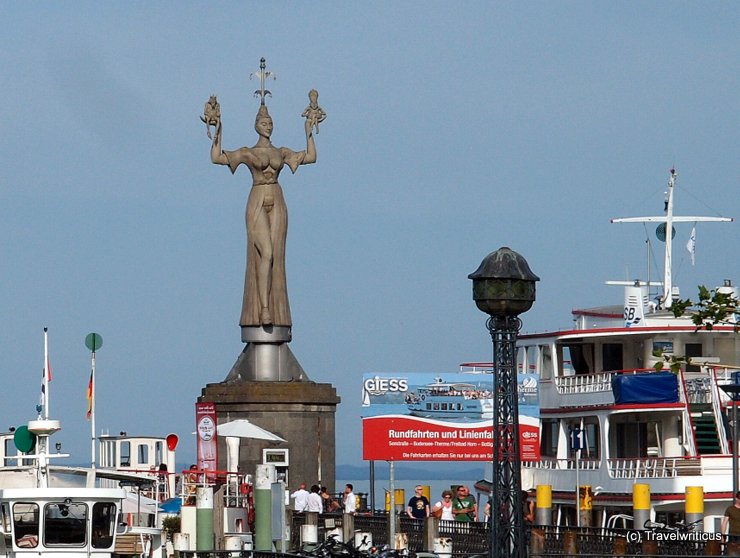
The statue of Imperia is placed at the port of Konstanz (Constance). It reminds us of the Konzil von Kostanz (Council of Constance) in the years 1414-1418. The rotating statue serves as a prominent landmark for passengers of ships on Bodensee (Lake Constance).