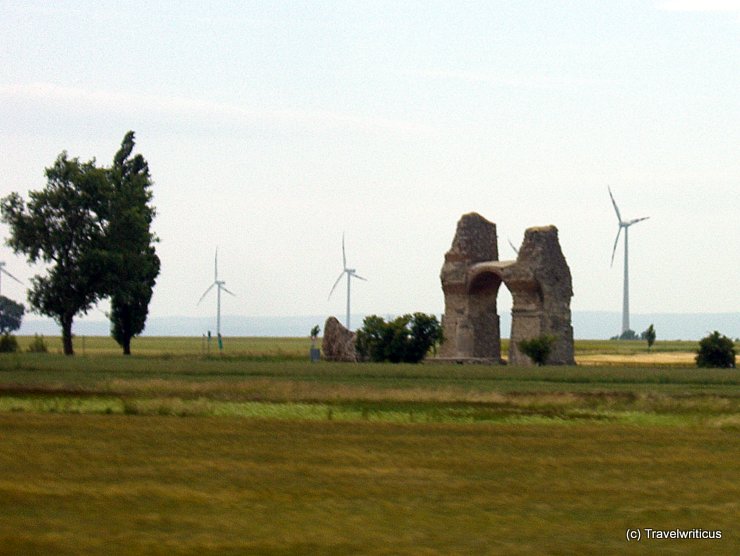
On a train journey from Vienna to Carntuntum-Petronell, travellers have this photo of an ancient Roman monument. The structure is part of the archaeology park Carnuntum. Local people call this monument Heidentor (Pagans’ Gate).
Browse through your travel destination!
On a train journey from Vienna to Carntuntum-Petronell, travellers have this photo of an ancient Roman monument. The structure is part of the archaeology park Carnuntum. Local people call this monument Heidentor (Pagans’ Gate).
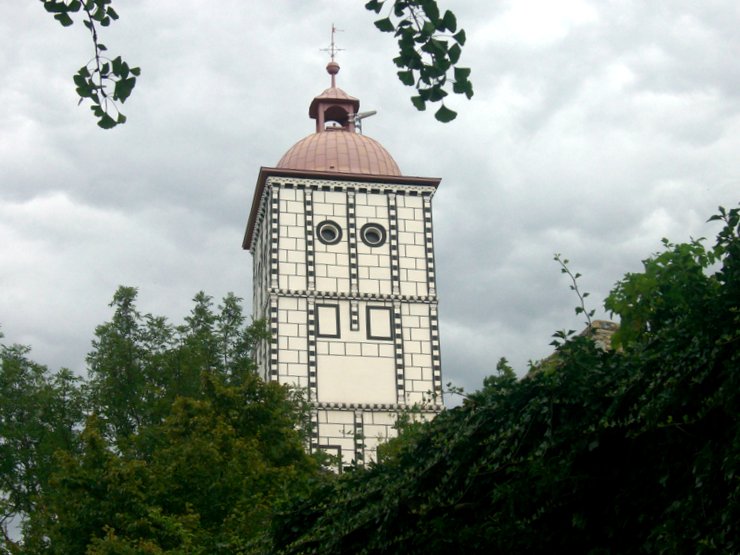
While approaching Schallaburg Castle on foot, you first see this tower. It gives an impression of the beauty of this Renaissance palace in the Austrian state of Lower Austria (Niederösterreich). Today, the castle is known for remarkable exhibitions.
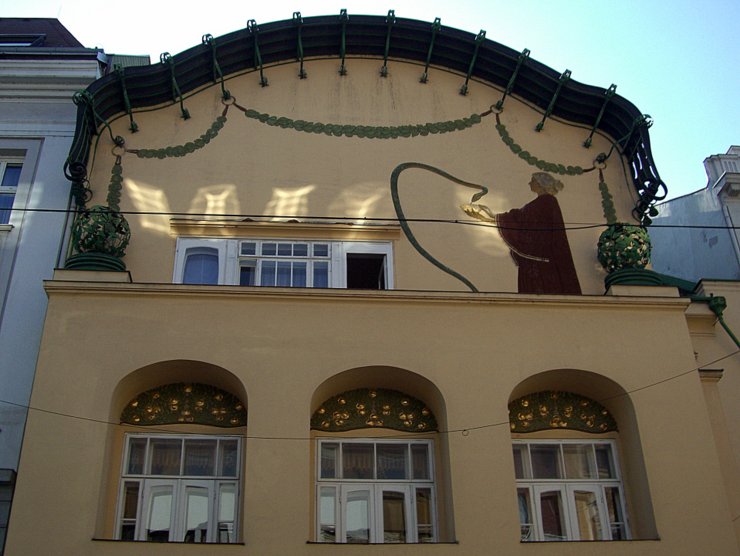
Near Sankt Pölten Central Station, the Stöhr Haus impresses with a fine Art-Nouveau decoration. It is also known as Olbrich House, named after its architect Joseph Maria Olbrich (1867-1908).
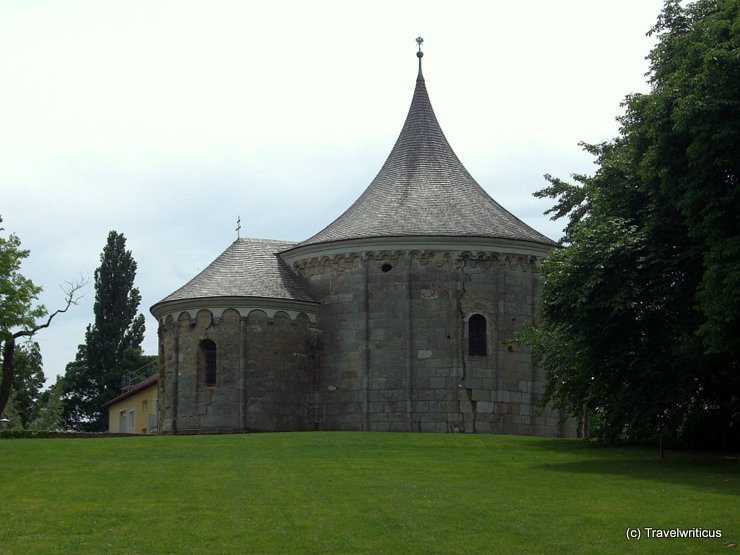
Near the Archaeological Park in Petronell-Carnuntum, you see this round chapel from the 12th century. Its conical roof dates back to the 17th century. The chapel is dedicated to St John the Baptist (Johannes der Täufer).
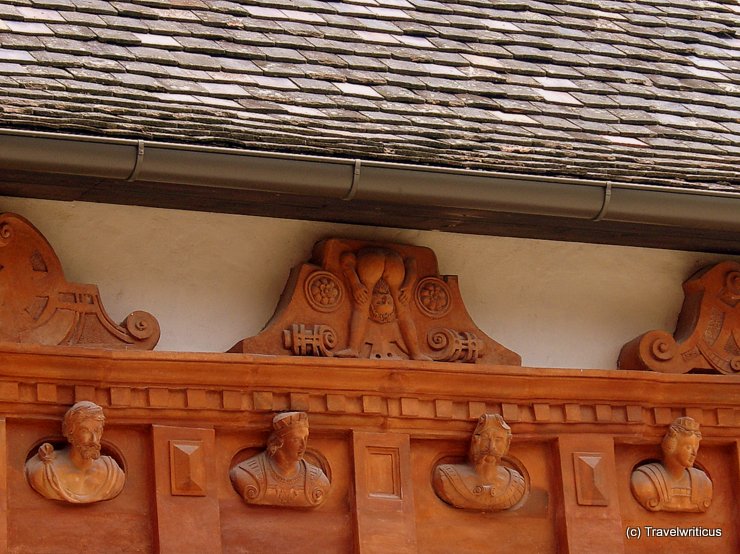
You find this peculiar detail at Schallaburg Castle (Schallaburg): A sculpture of a man showing his bottom. Such sculptures served as a defence against harm and evil spirits. Together with the Dog Lady, it is one of the most fascinating sculptures in this palace.
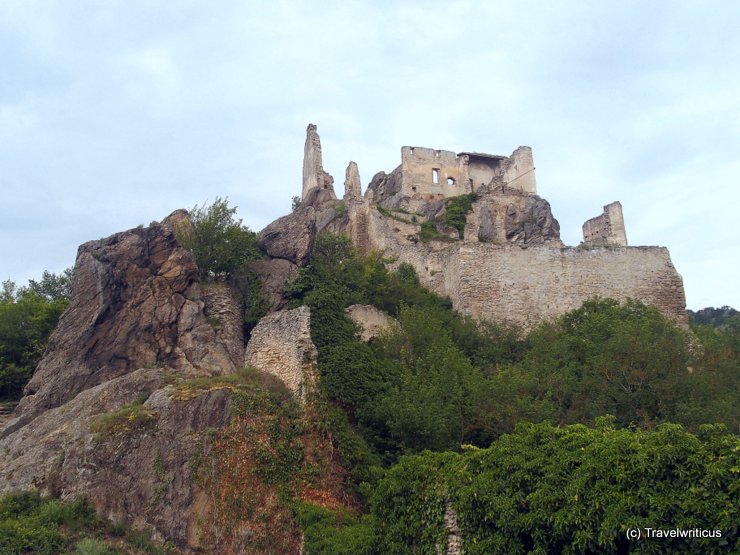
Hikers get this view of Dürnstein Castle (Burgruine Dürnstein) after taking the trail up from Dürnstein. Legend says Richard I of England, aka King Lionheart, was imprisoned here for a short period. Several info boards inform about this story next to the castle walls.
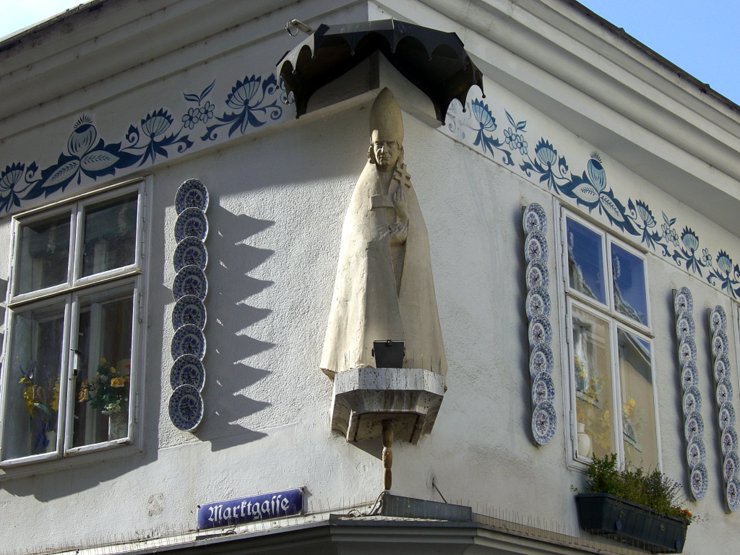
The Zwiebelmusterhaus in Sank Pölten surprises with its wall decoration of 168 plates. The Zwiebelmuster (blue onion pattern) is a famous porcelain tableware pattern for dishware. It originates from the German manufacture of Meissen.
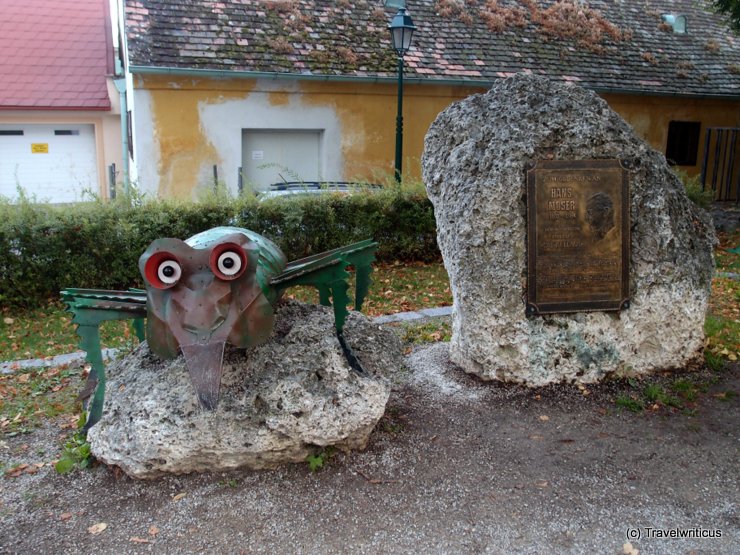
You find this fun sculpture in Gumpoldskirchen next to a memorial plaque to the Austrian actor Hans Moser. Besides his movies and plays, Moser became famous for performing a song about the Reblaus (Pyhlloxera). The Reblaus is a pest for grapevines.
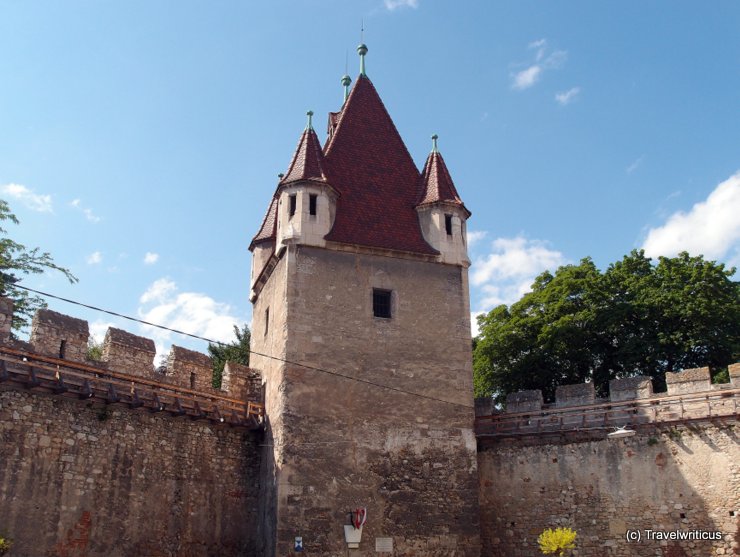
The Reckturm is a tower dating back to the 13th century. Reckturm (reck = to rack) refers to its former use as a prison and place for torture. Today, it houses a small museum for weapons and torment.
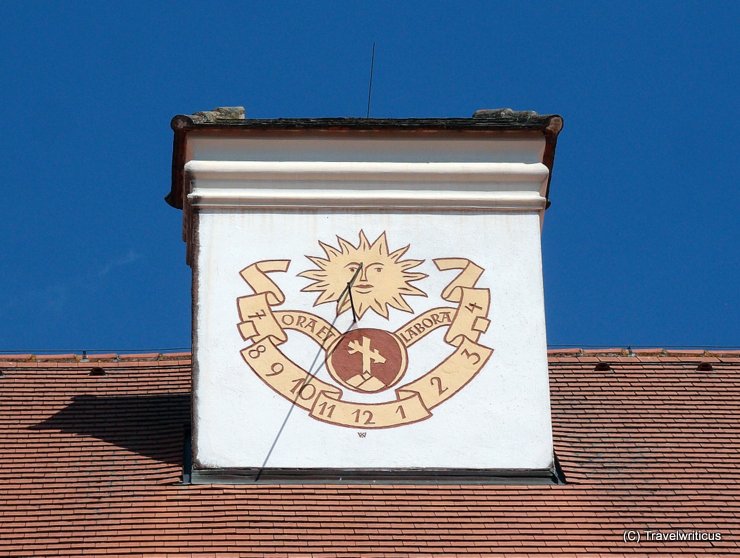
The inscription on this sundial indicates at which kind of monastery you can see it. “Ora et Labora” is the motto of the Benedictines. The depiction in the middle gives a hint to the place. You see this element in the coat of arms of Seitenstetten.
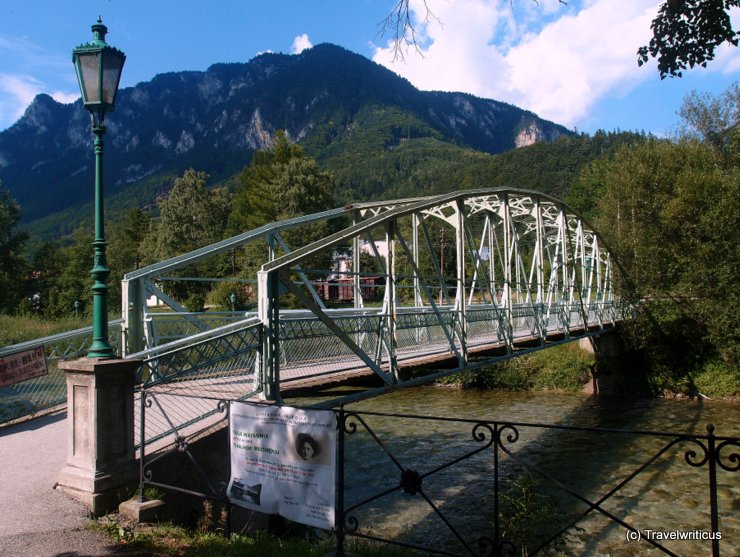
A bridge with a view! The footbridge dates back to 1902 and spans the river Schwarza in Reichenau an der Rax. Near the bridge, you find a station of the museum railway Payerbach-Hirschwang, also known as Höllentalbahn.
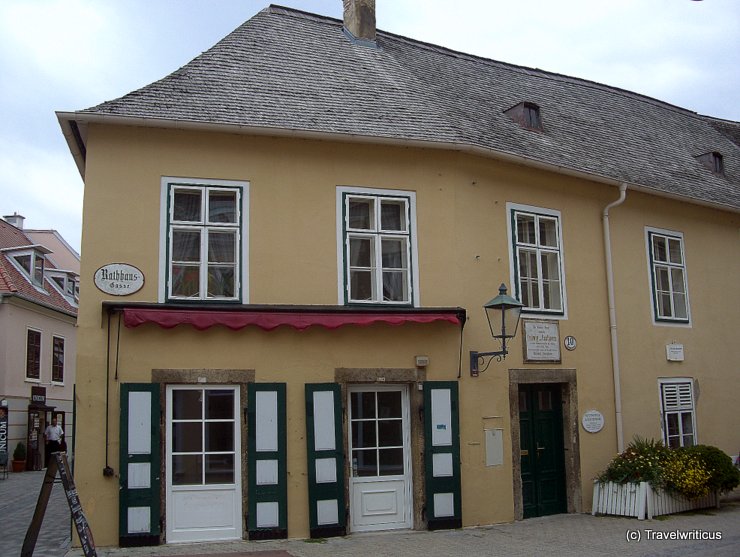
Ludwig van Beethoven stayed in Baden bei Wien several times. For example, he composed parts of his famous 9th symphony in this house. Today, this building accommodates a museum with the name Beethovenhaus Baden.