
In 1999 a strange figurine appeared in the city of Salzburg. It had chosen a prominent place under the Cathedral Archway between Domplatz and Kapitelplatz: The sculpture „Pietá“ by Czech painter and sculptor Anna Chromy.
Browse through your travel destination!
In 1999 a strange figurine appeared in the city of Salzburg. It had chosen a prominent place under the Cathedral Archway between Domplatz and Kapitelplatz: The sculpture „Pietá“ by Czech painter and sculptor Anna Chromy.
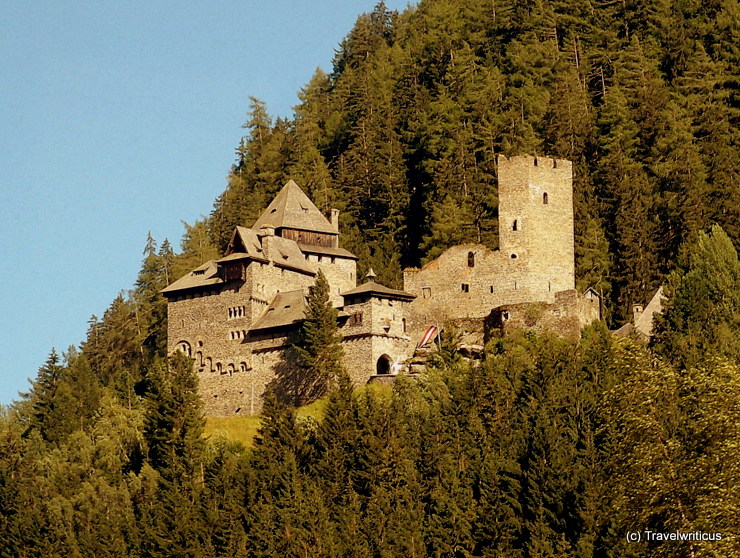
Finstergrün Castle (Burg Finstergrün) rises high over Ramingstein. This is a place in Lungau, a region in the Austrian state of Salzburg. The first mention of the castle was in the 12th century. Today, it houses a youth hostel.
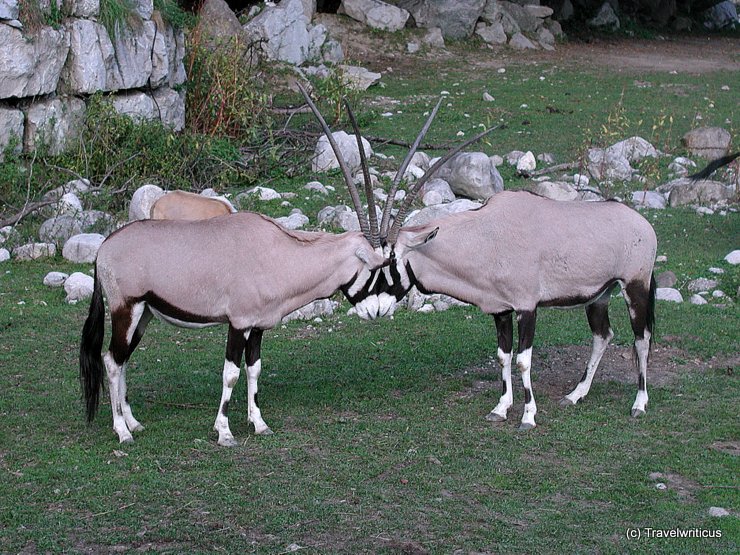
This pic of two struggling oryxes is a snapshot taken on a walk through the Salzburg Zoo. You’ll find this zoo next to Hellbrunn Castle in the south of Salzburg city. Its location is next to a rock landscape. So, visitors see the wild animals in a rugged setting.
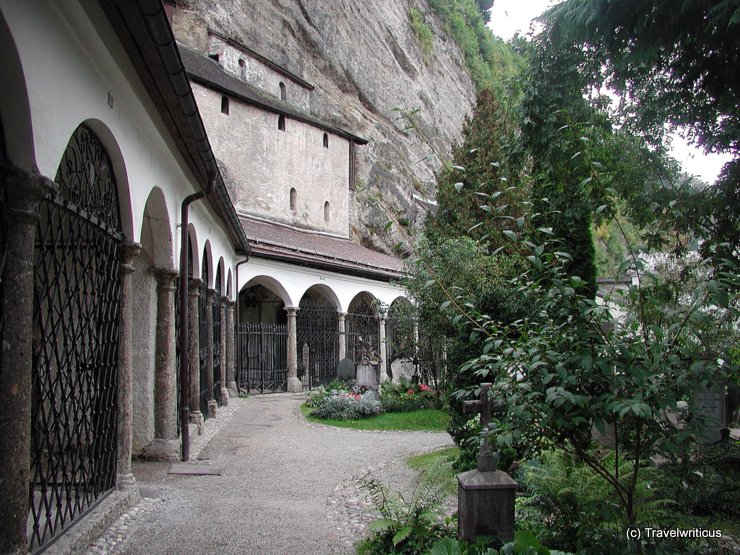
The cemetery of St. Peter (Petersfriedhof) is not only one of the oldest cemeteries of Salzburg but was also a set in the American movie ‘Sound of Music’. The small windows along the rock are part of the so-called catacombs.
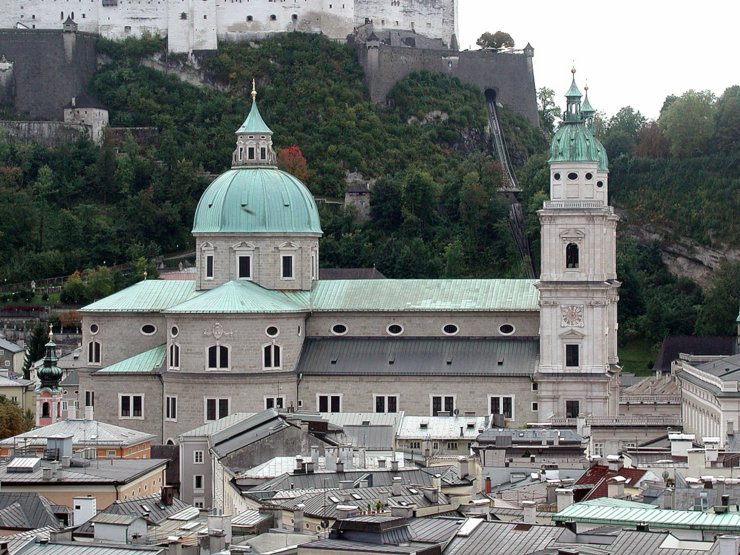
The Salzburg Cathedral (Dom zu Salzburg) saw its construction in the 17th century. In the background, you find the funicular up to Hohensalzburg Fortress. Interesting detail: From the Cathedral Museum (Dommuseum), you see the nave from above.
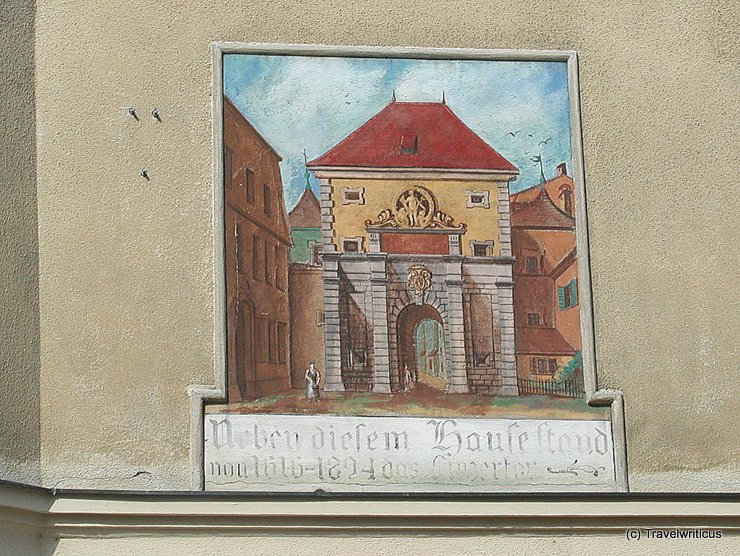
The Linzergasse is, after the Getreidegasse, the second most famous shopping street in Salzburg. In the past, several gates secured this access lane. Today, the Linzertor Mural reminds pedestrians of one of these gates named Linzertor.
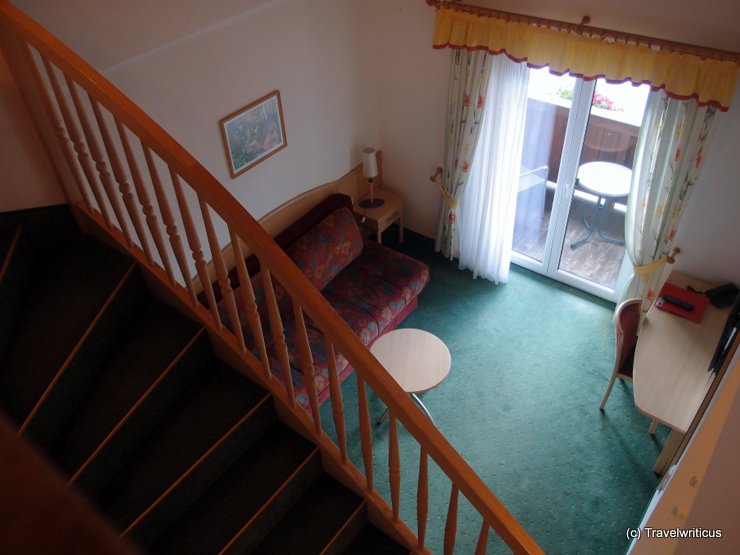
In addition to many cosy rooms, the Hotel Tauernstüberl offers a number of apartments with a gallery. You find the hotel not far from the famous narrow-gauge Pinzgau Railway. This railway transports the hotel guests to the Krimml Waterfalls on the spot.
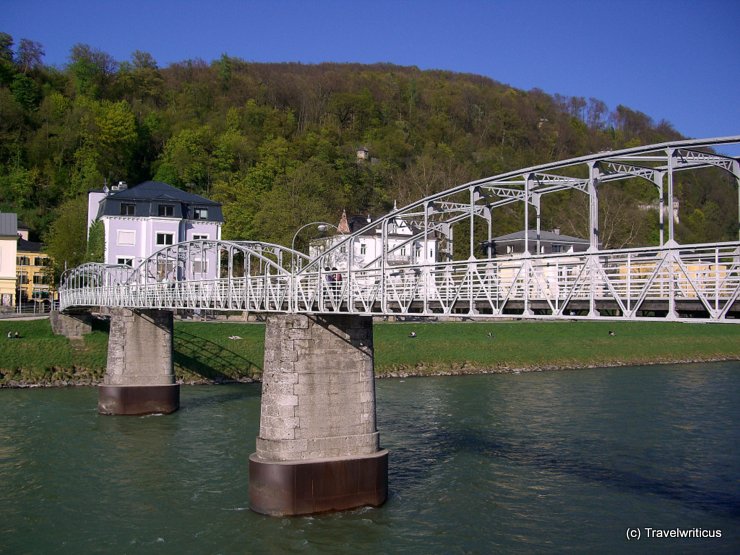
The Mozartsteg in Salzburg is a footbridge named after Wolfgang Amadeus Mozart. It saw its construction in 1903 as a toll bridge. The toll booth still exists and houses a small shop now.
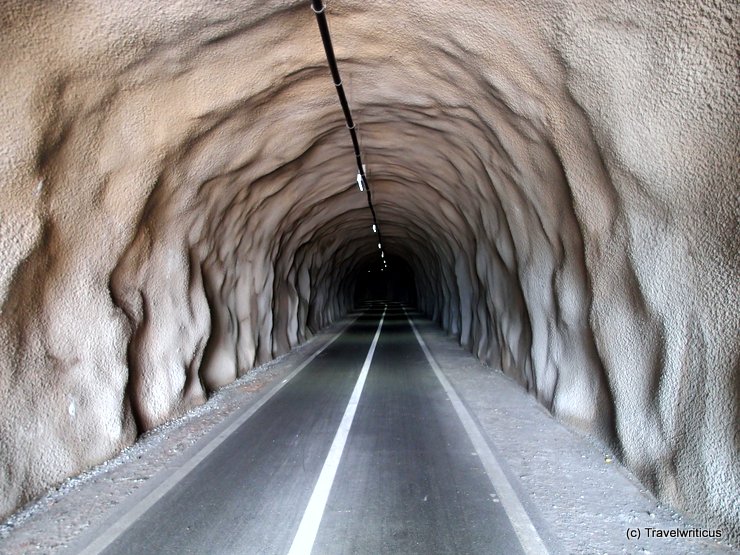
Below Klammstein Castle (Burg Klammstein) in Dorfgastein, you’ll find a tunnel for bikers and walkers. The structure is part of a cycle route along the Gastein Valley (Gasteinertal), which connects places like Bad Gastein, Bad Hofgastein, and Dorfgastein.
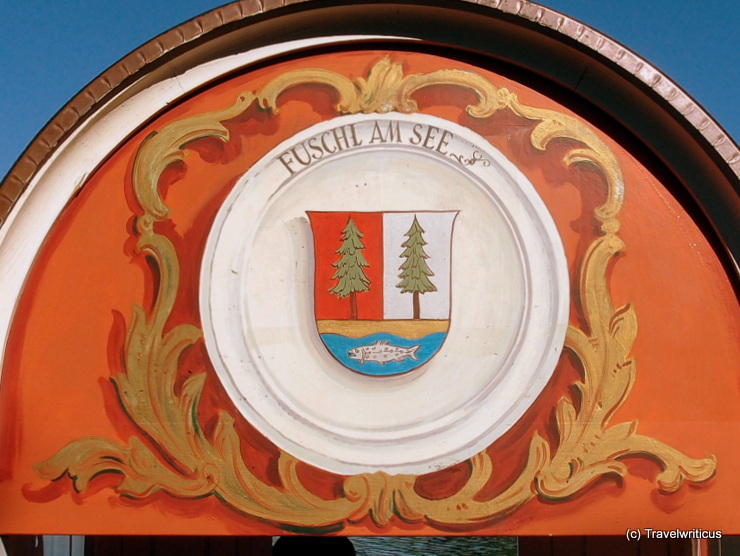
Fuschl am See in the Austrian region of Flachau is known for a lake which provided the court of the Archbishops in Salzburg with fresh fish. Its coat of arms display two trees and a fish.
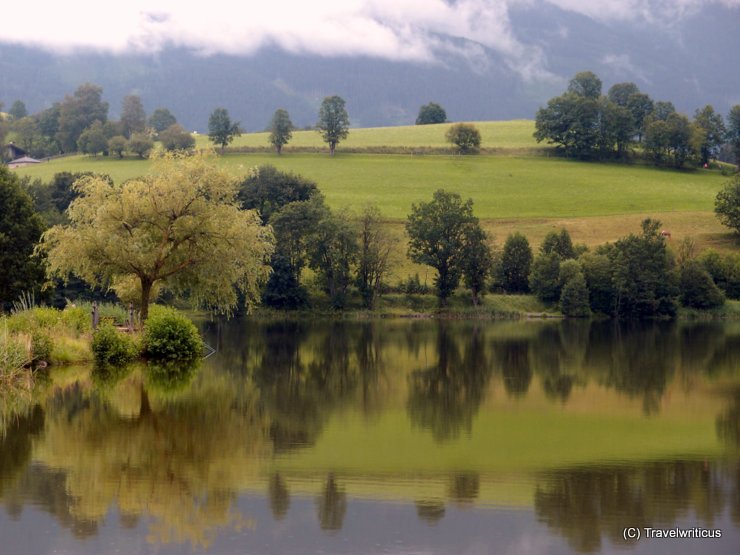
Near the worth-seeing museum of local history at Ritzen Castle (Schloss Ritzen), you find the Ritzensee. It is an artificial lake built in a moory landscape. That way, the lake appears in a unique dark colour.
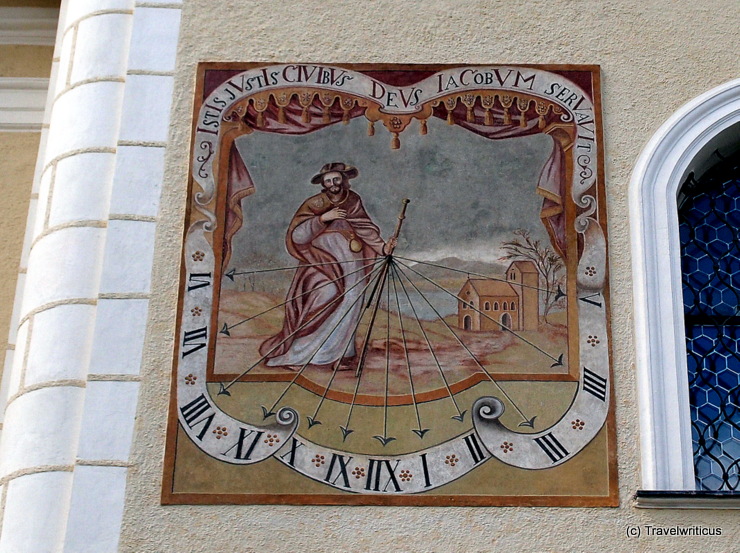
This sundial, located at the parish church of Tamsweg depicts James, son of Zebedee (Jakobus der Ältere) who is the patron of this church. Tamsweg is the largest town of the Lungau region in the Austrian state of Salzburg.