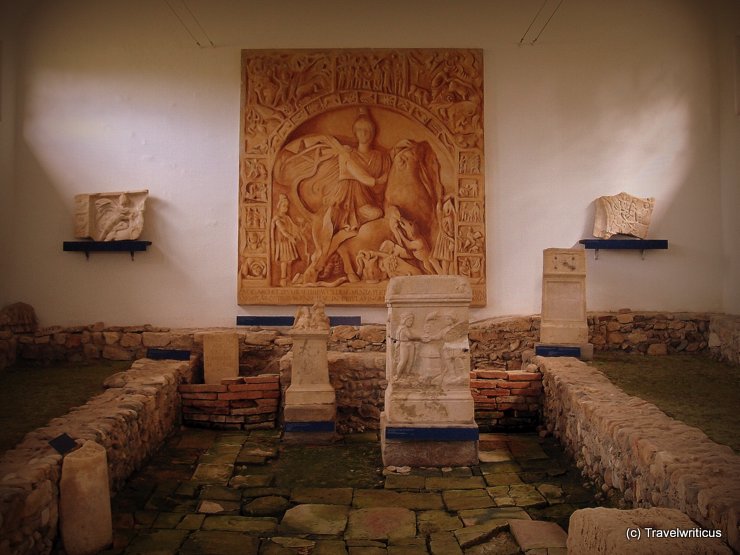
A protective building in the style of an ancient Roman sanctuary shelters the remains of the Mithras Shrine III in Ptuj. The shrine was erected in the sixties of the 3rd century by soldiers of the Legio XIII Gemina.
Browse through your travel destination!
A protective building in the style of an ancient Roman sanctuary shelters the remains of the Mithras Shrine III in Ptuj. The shrine was erected in the sixties of the 3rd century by soldiers of the Legio XIII Gemina.
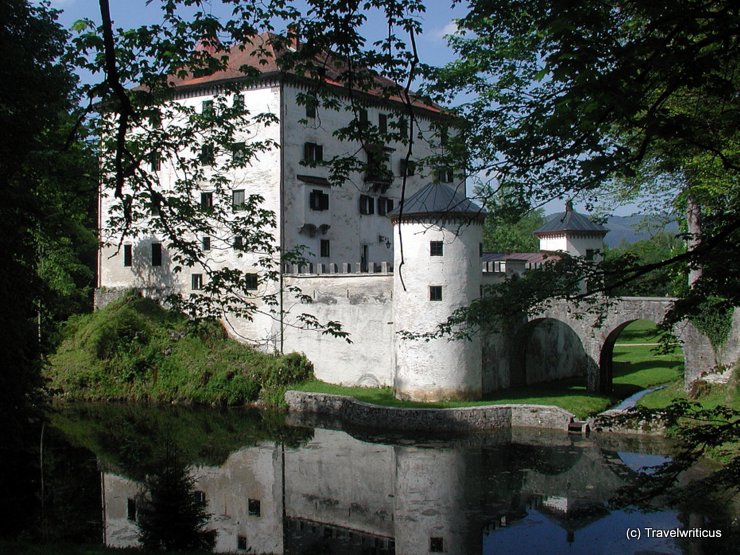
Snežnik Castle (Grad Snežnik) in Kozarišče saw its first mention in 1268. Visitors enjoy the interior and the furniture of a noble family living in the 19th/20th century. Besides, you will be delighted by its location next to a small pond.
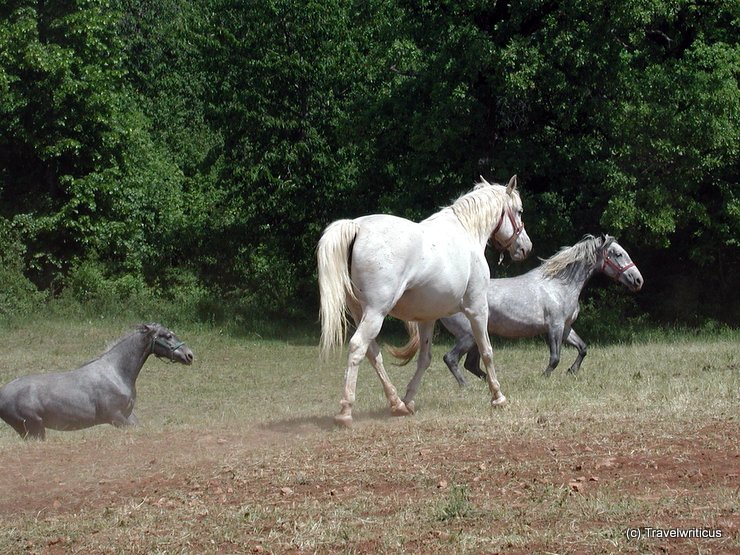
On the grounds of the Lipica stud farm in Slovenia, you see flocks of Lipizzaner Horses dashing around. The name of these famous horses originates from this place near the border with Italy.
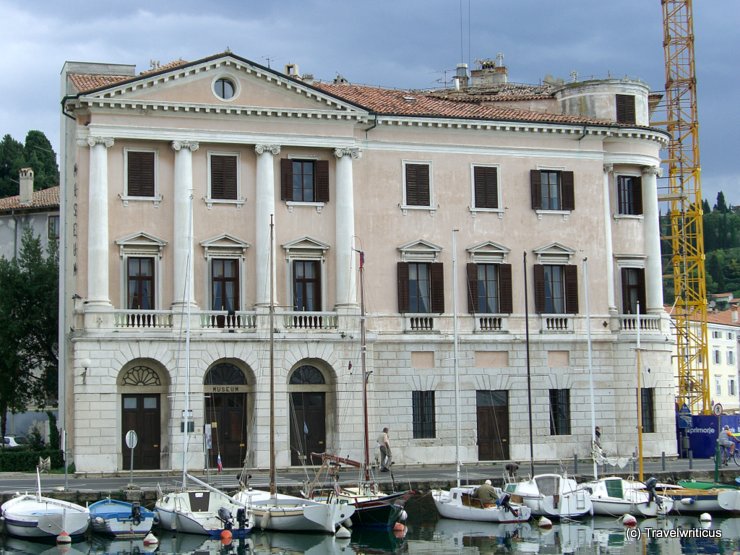
The Muzej Sergej Mašera tells about the maritime past of the Slovene coast, Slovene naval history and related economic activities. It includes an archaeological and an art-history collection.
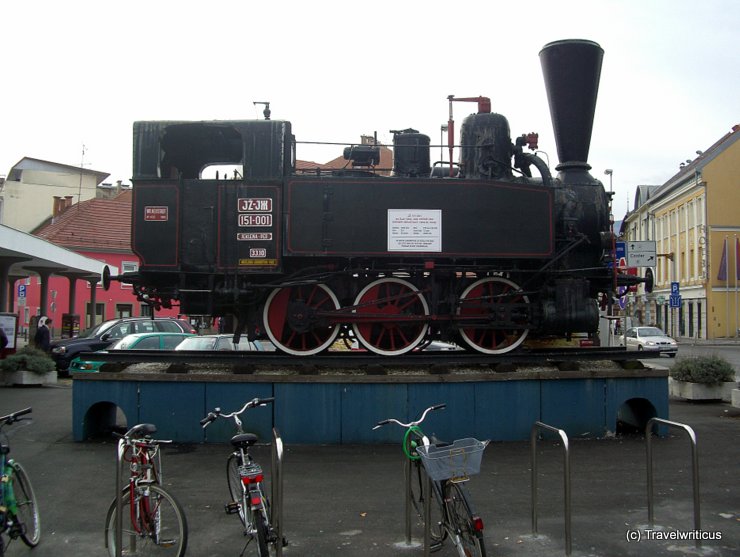
This steam locomotive pedestalled in front of the railway station of Maribor, was built in Wiener Neustadt (Austria) in 1903. In the beginning, the locomotive JŽ 151-001 served on the Rohitsch Local Railway.
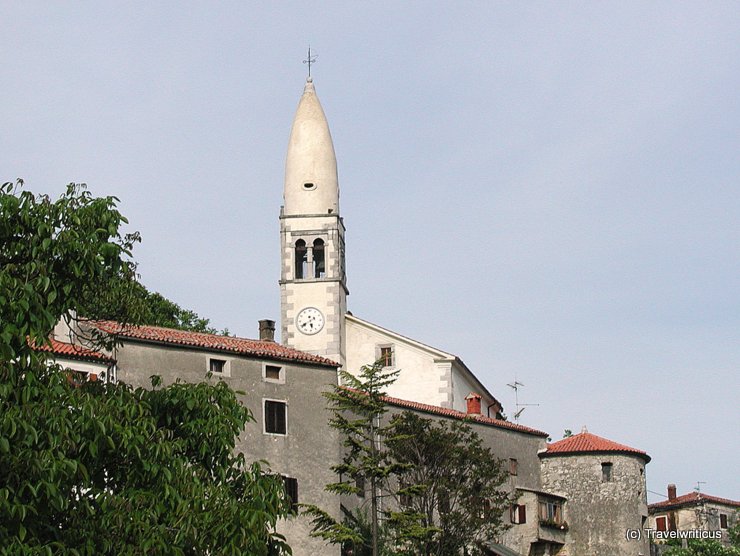
St Daniel’s Church in Štanjel (Italian: San Daniele del Carso) saw its construction in the 15th century. At that time, it served as the burial vault of the Counts of Cobenzl. The eye-catching church steeple dates back to 1609.
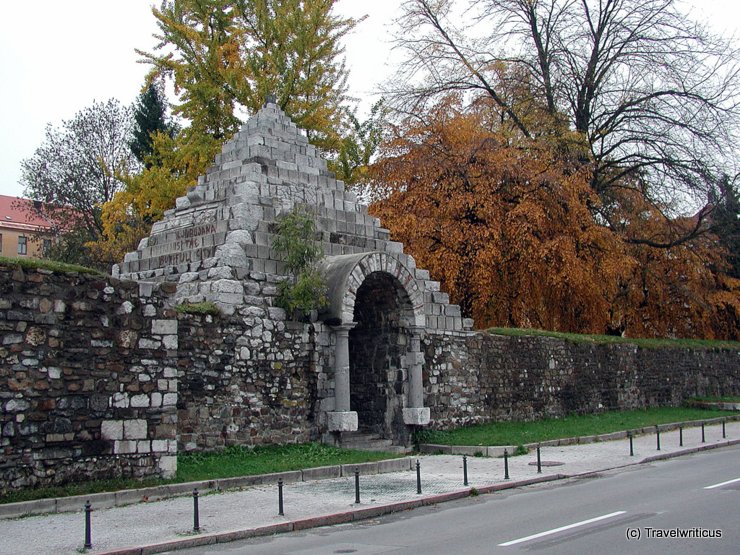
The ancient Roman name of Ljubljana was Emona. Today, one can still see some Roman elements in the city. E.g. this redesign of a part of the Roman town walls was created by architect Jože Plečnik.

Bogenšperk Castle (Grad Bogenšperk) was the home of the natural historian and polymath Johann Weichard Valvasor (1641-1693). He became famous for publishing several books about topics like the Karst or the history of Carniola.
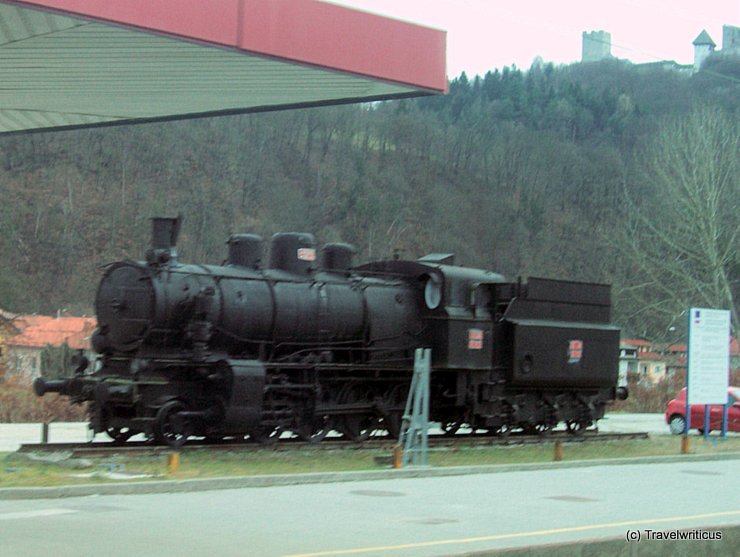
At Celje Railway Station, you’ll find this locomotive as an exhibit. The locomotive with the number JŽ 25-002 saw its construction in the Austrian city of Wiener Neustadt in 1922. In the background, you discover the medieval Celje Castle.
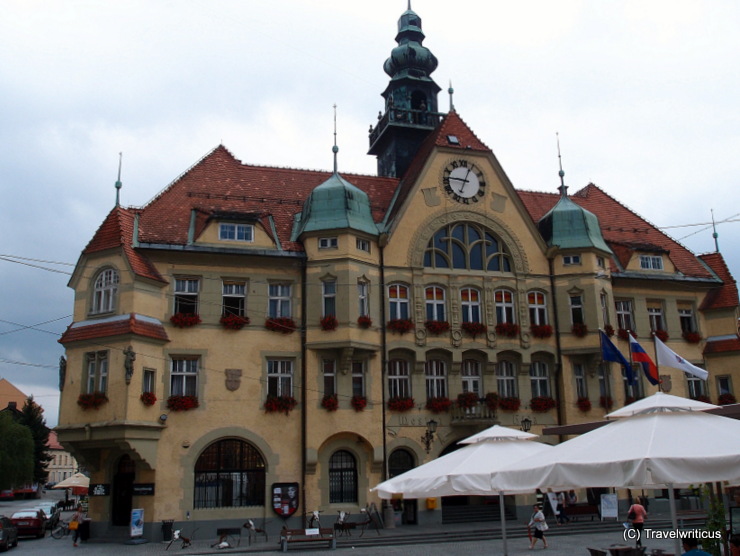
Architect Max Freiherr von Ferstel built the New Town Hall of Ptuj from 1906 to 1908. Max Ferstel is the son of Heinrich Freiherr von Ferstel, known for numerous buildings in Vienna in the style of historicism.
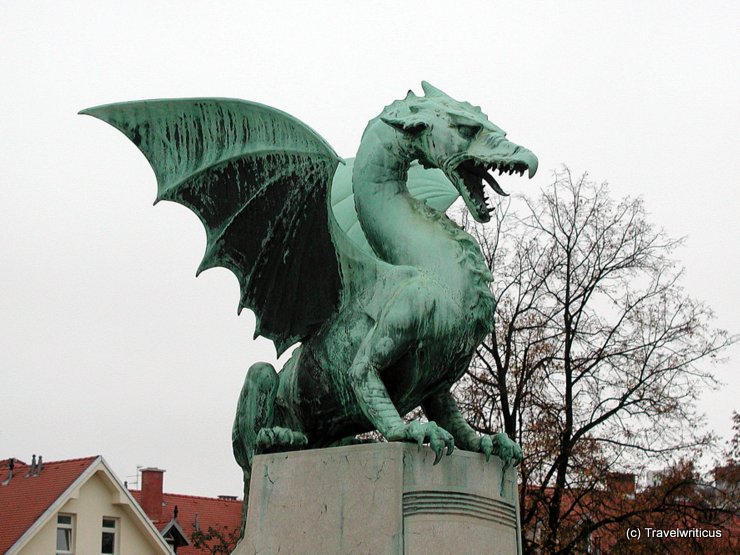
The Dragon Bridge (Zmajski most), finished at the beginning of the 20th century, shows elements of the Viennese Secession. The Viennese factory A. M. Beschorner created the dragons.
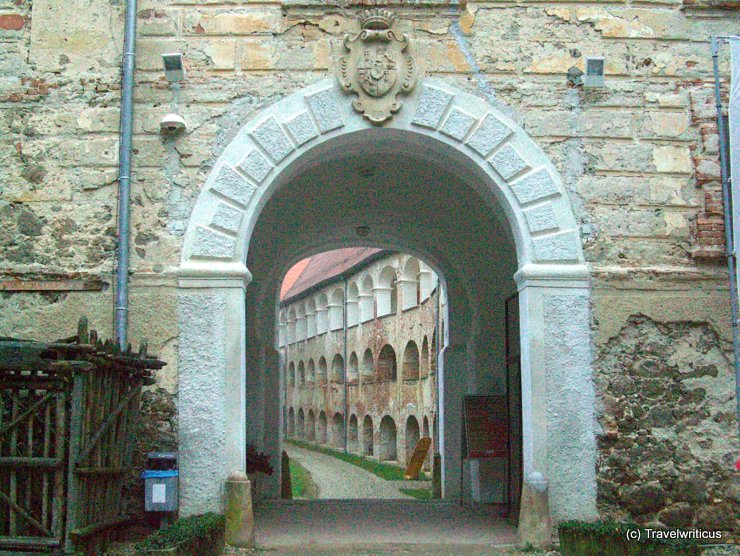
The open gate of Grad Castle in Goričko offers a view of the arcade court. After getting in, visitors are surprised by a small forest in the middle of this court. Fun fact: Grad is the Slovenian term for castle. So the name of this castle is just castle.