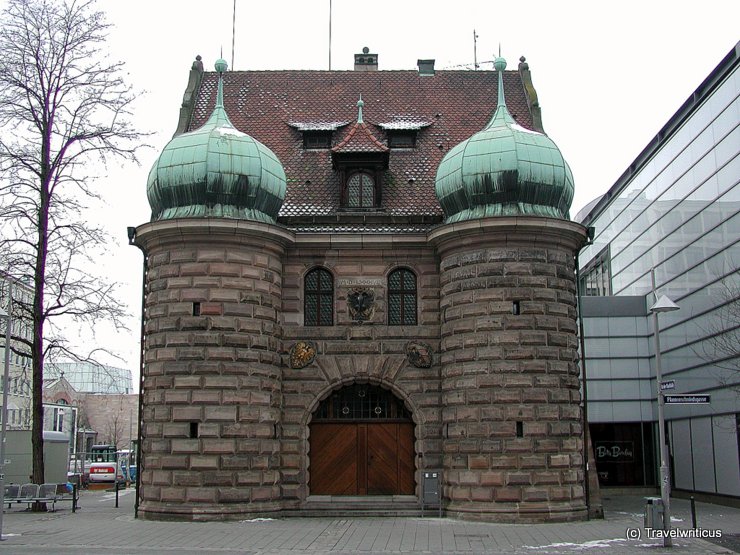
The former armoury (Zeughaus) of Nuremberg saw its construction by Hans Dietmayer in 1588/89. After bomb damage during World War II, a reconstruction finished in 1954/55.
Browse through your travel destination!
The former armoury (Zeughaus) of Nuremberg saw its construction by Hans Dietmayer in 1588/89. After bomb damage during World War II, a reconstruction finished in 1954/55.
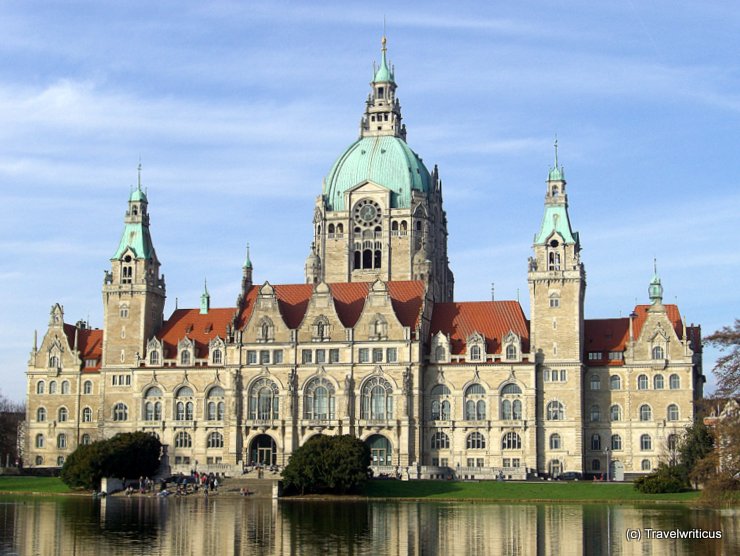
The New Town Hall (Neues Rathaus) of Hanover (Hannover) saw its construction during the era of Wilhelm II in an eclectic style. It opened in 1913. The observation deck in the dome is accessible via a remarkable elevator.
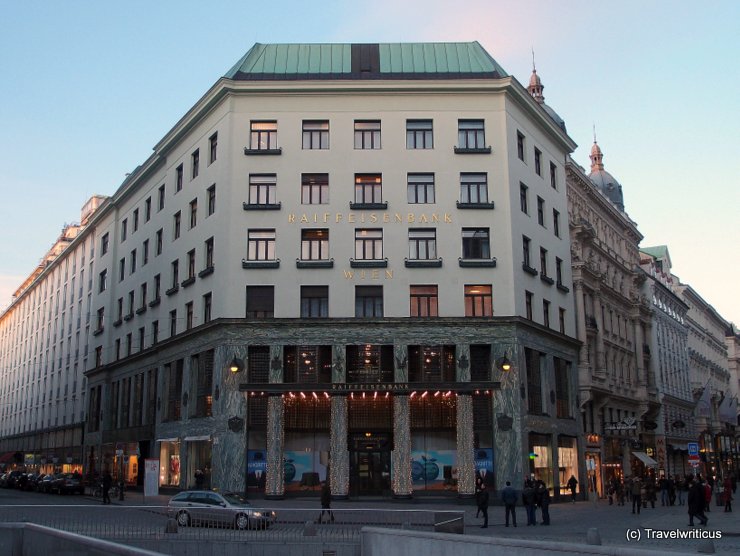
The Loos House (Looshaus) is considered a central work of the Wiener Moderne. The building designed by Adolf Loos saw its completion in 1910. Can you imagine why Viennese people call it “The House without Eyebrows”?
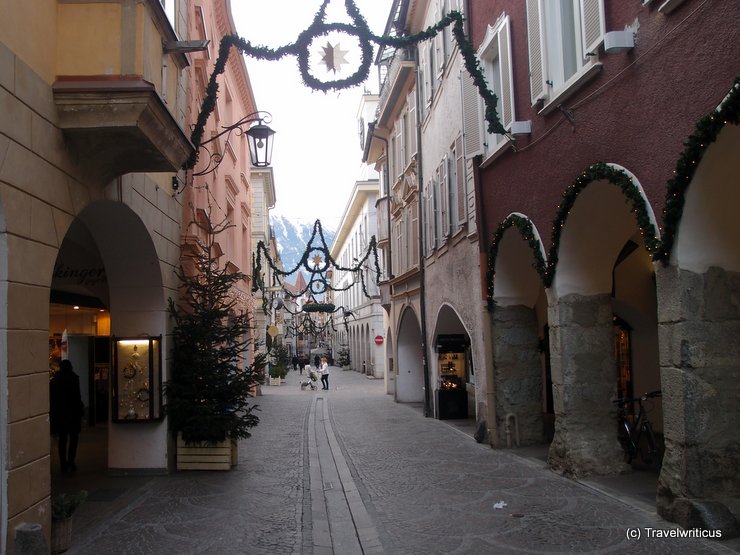
The Laubengasse in Merano saw its construction around 1200 at the request of Meinhard II. Since then, this arcaded alley has been considered the longest lane of its kind in Tyrol. Today, the Merano arcades are widely known for their shopping opportunities.
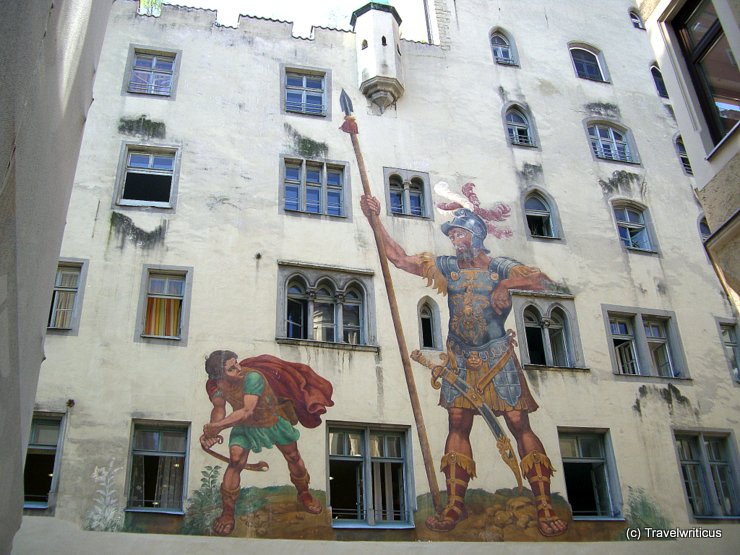
The painting on the Goliath House (Goliathhaus) in Regensburg illustrates the legend of David and Goliath. The mural was created by Melchior Bocksberger in the year 1573.
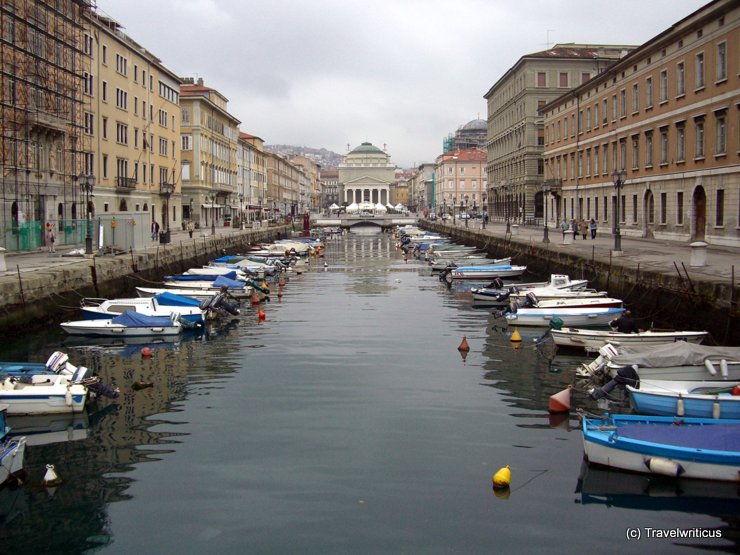
The Canal Grande is the heart of the Borgo Teresiano district, commissioned by the Austrian Empress Maria Theresa. The neoclassical building at the end of the canal is a Catholic Church (Sant’Antonio Nuovo).
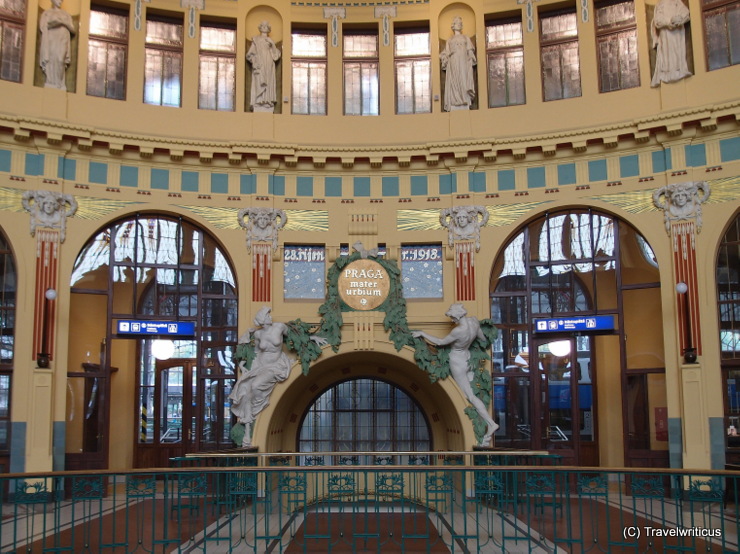
Following the signs to the old entrance hall of Prague Central Station leads to a gem of Art Nouveau. The nearby Fantova kavárna (Fanta Café) reminds visitors of the architect of this hall: Josef Fanta (1856-1954).
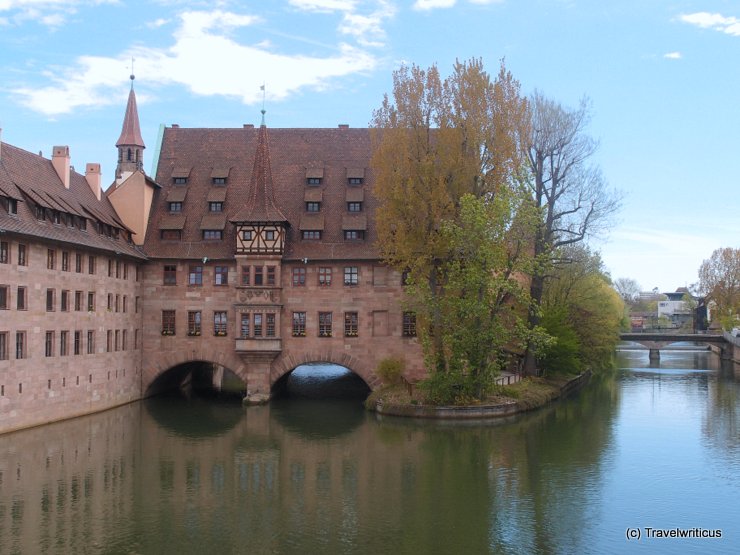
The Heilig-Geist-Spital is one of Nuremberg’s most iconic sights. The associated hospital church housed the Imperial Regalia for several centuries. Today, the depicted part of the spital accommodates a restaurant.
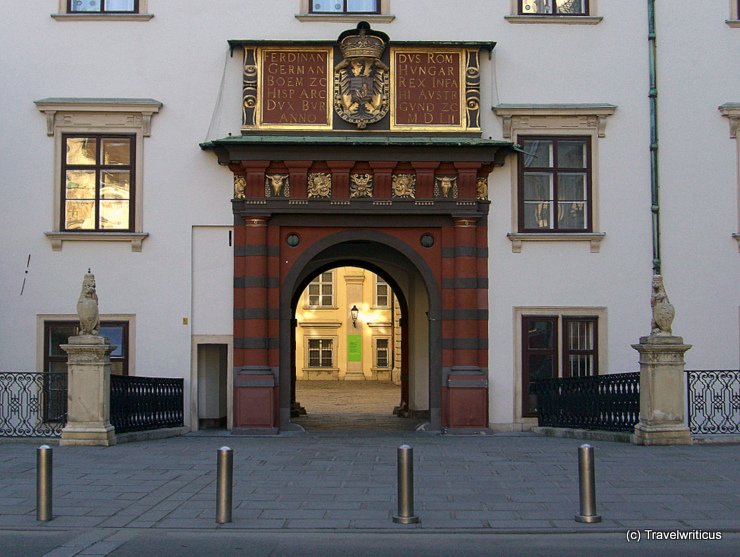
The Swiss Gate (Schweizertor) leads to the oldest part of the Hofburg. Behind this gate, you find the entrance to the Imperial Treasury (Kaiserliche Schatzkammer). The treasury houses crowns and jewels full of history, e.g. the regalia of the Holy Roman Empire.
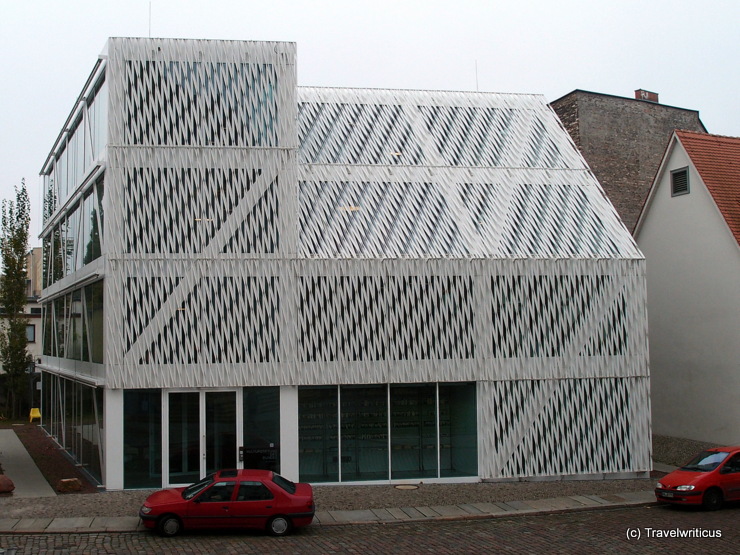
Right next to the site of the Francke Foundations in Halle (Saale), visitors find this fascinating piece of architecture. It’s the headquarters of the German Federal Cultural Foundation (Kulturstiftung des Bundes).
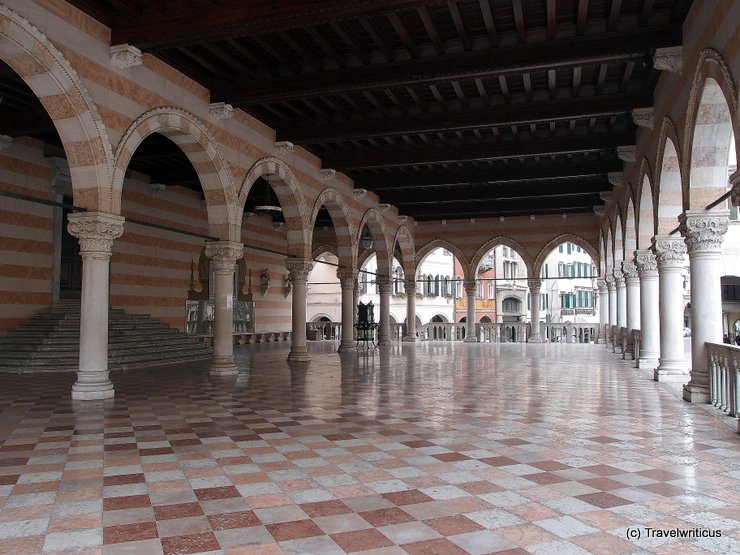
The Loggia del Lionello is one of the oldest and most important historical buildings in Udine. Erected on the Piazza Libertà, its name originates from the person who completed its construction: Nicolò Lionello.
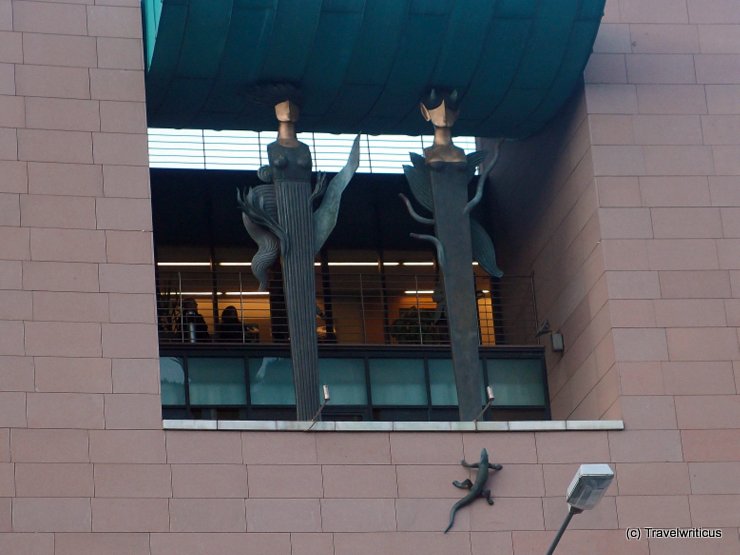
One of the most peculiar architectural impressions outside the station hall of Bolzano Main Station is this lizard climbing a wall. Above the sporty creature, you see two different designed elements similar to ancient herms.