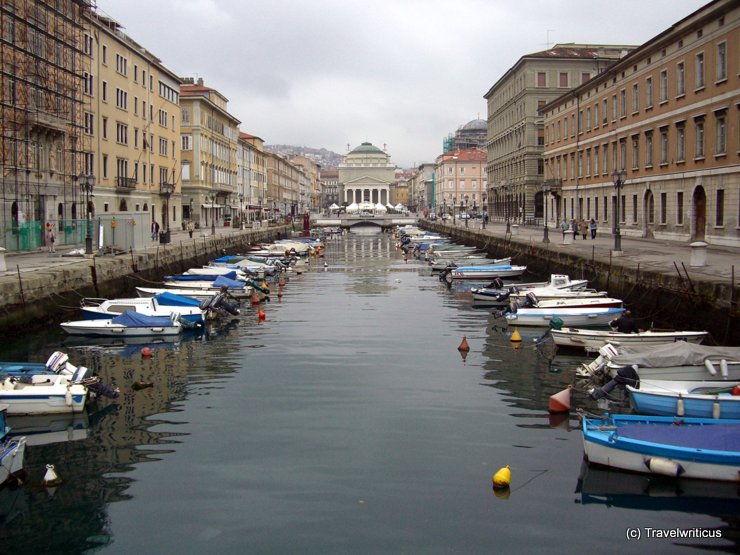
The Canal Grande is the heart of the Borgo Teresiano district, commissioned by the Austrian Empress Maria Theresa. The neoclassical building at the end of the canal is a Catholic Church (Sant’Antonio Nuovo).
Browse through your travel destination!
The Canal Grande is the heart of the Borgo Teresiano district, commissioned by the Austrian Empress Maria Theresa. The neoclassical building at the end of the canal is a Catholic Church (Sant’Antonio Nuovo).
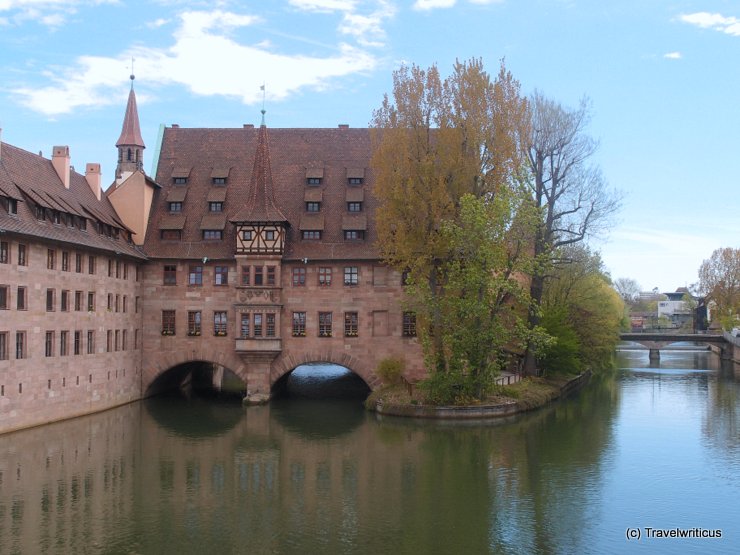
The Heilig-Geist-Spital is one of Nuremberg’s most iconic sights. The associated hospital church housed the Imperial Regalia for several centuries. Today, the depicted part of the spital accommodates a restaurant.
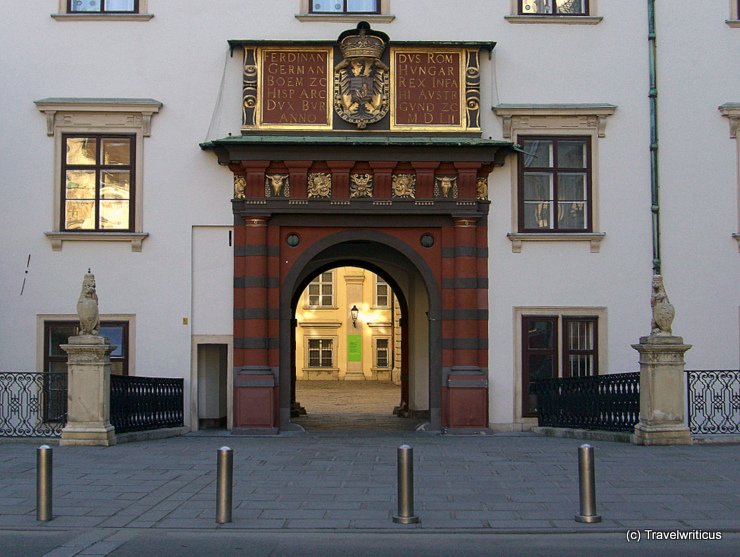
The Swiss Gate (Schweizertor) leads to the oldest part of the Hofburg. Behind this gate, you find the entrance to the Imperial Treasury (Kaiserliche Schatzkammer). The treasury houses crowns and jewels full of history, e.g. the regalia of the Holy Roman Empire.
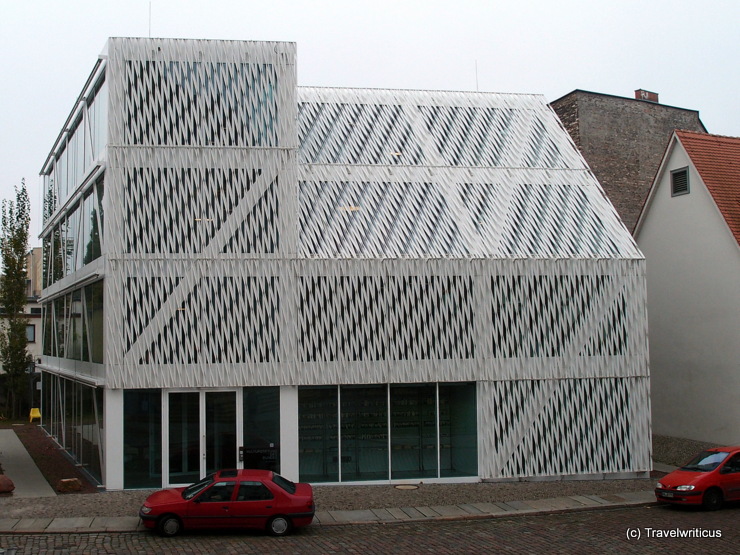
Right next to the site of the Francke Foundations in Halle (Saale), visitors find this fascinating piece of architecture. It’s the headquarters of the German Federal Cultural Foundation (Kulturstiftung des Bundes).
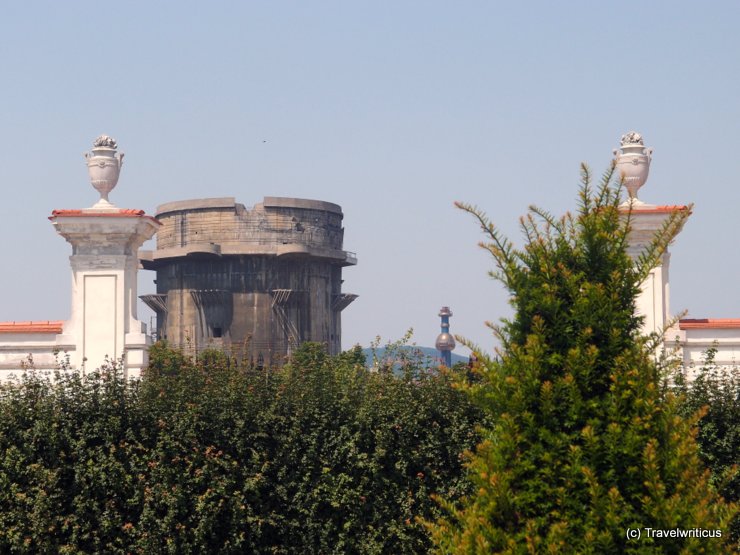
The pic shows three architectural periods in Vienna. In the foreground, you see Baroque walls. The background forms an air defence tower of WW II and the chimney of a garbage incineration plant (1992) designed by Friedensreich Hundertwasser.
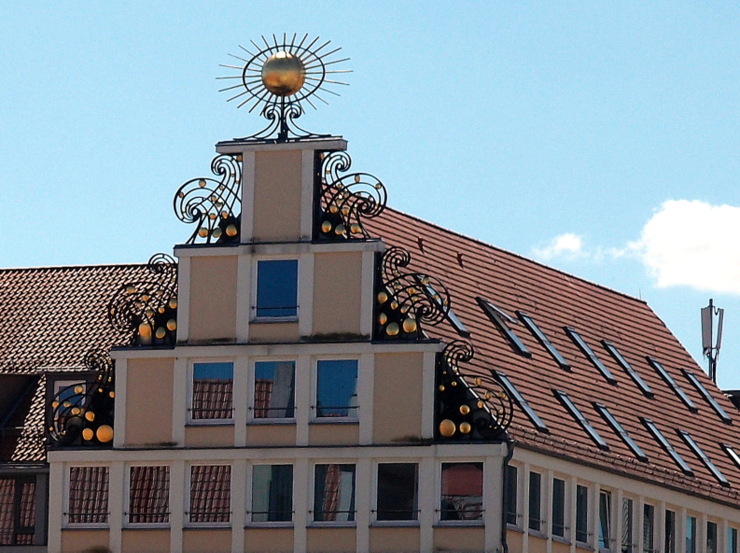
In Rostock, there are a lot of colourful gabled houses to see. It is big fun to walk through the streets and to count how many different gables one discover. Even this gable of a newly built edifice next to the old town hall has something decorative to offer.
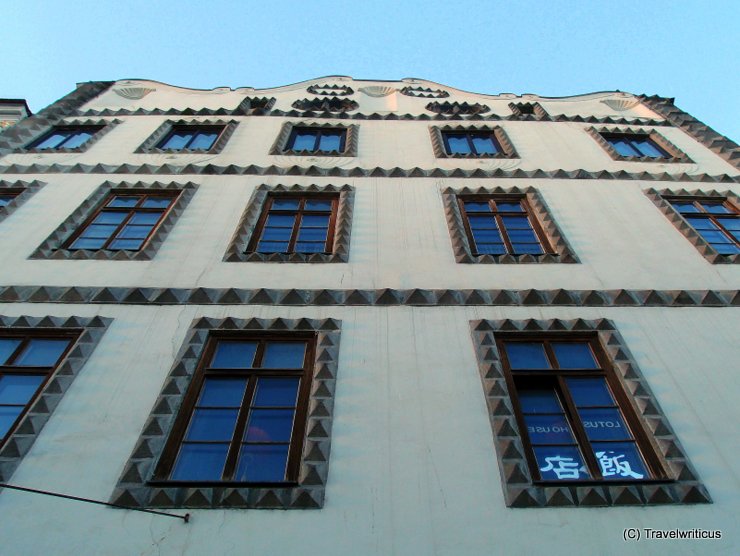
The Freihaus of Christoph Weiß was built at the end of the 16th century. The Renaissance building is especially known for its window frames made of diamond-shaped bossages.
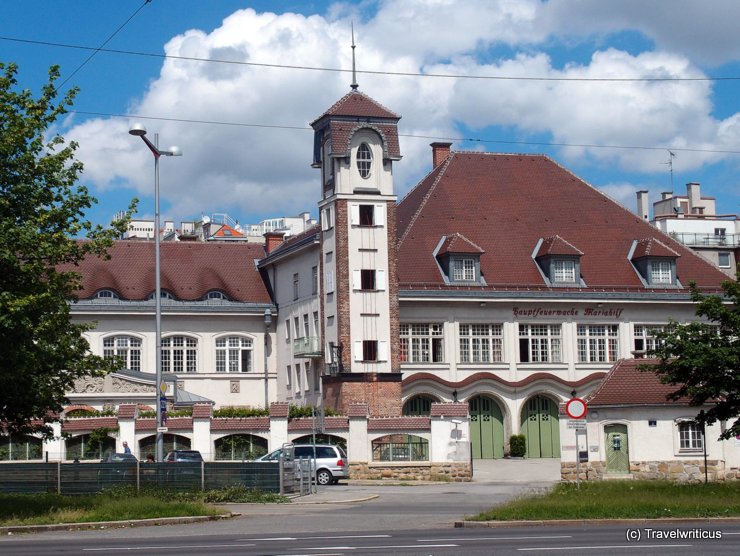
The Hauptfeuerwache Mariahilf (Primary fire station Mariahilf) was built in the years 1912/14. The style is called Heimatstil, the windows are designed in the style of the Wiener Werkstätte. The building is protected as a historic monument.
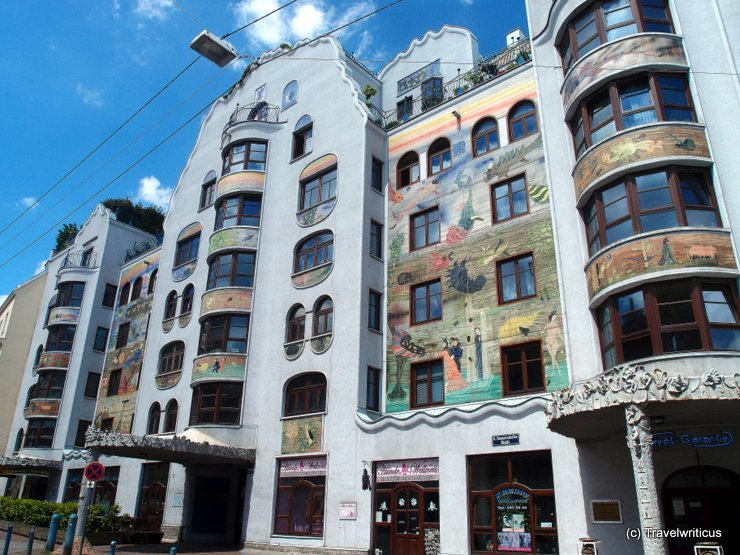
The Arik-Brauer-Haus was built in the years 1991-1994. It was designed in the style of fantastic Realism by the Austrian artist Arik Brauer.
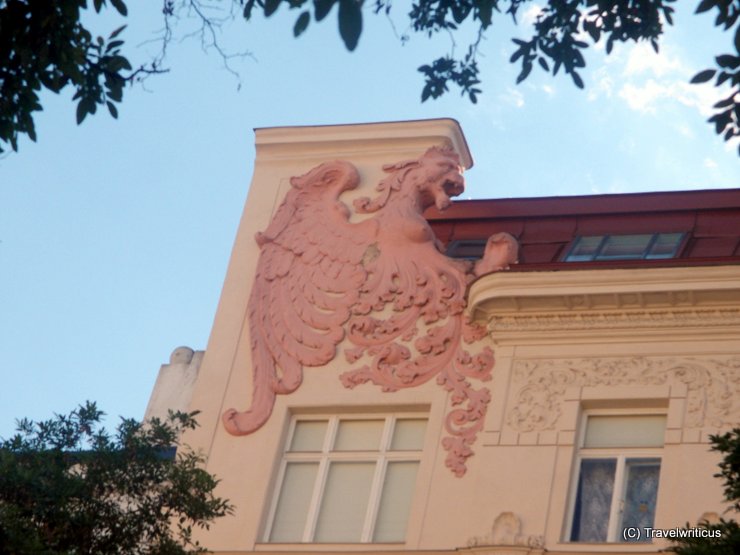
I am always impressed by such details in the architecture of Vienna. I wonder how these element is called? Is this a gable sculpture?
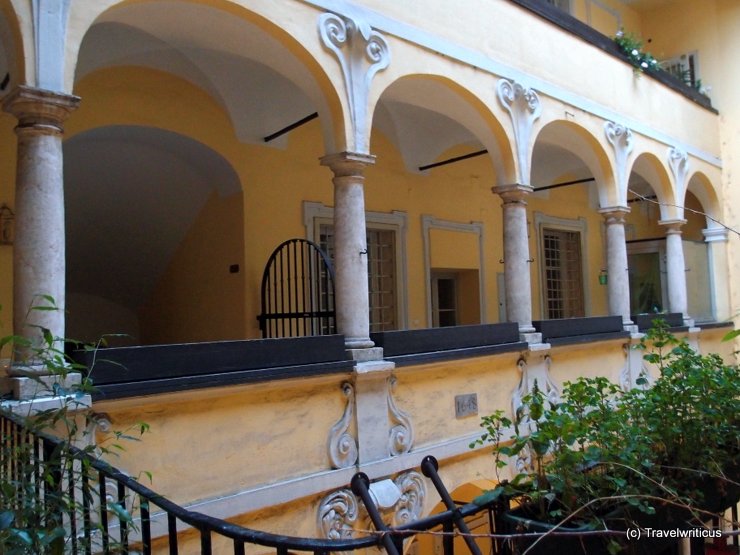
An inner yard in Graz. One can find them especially at the 1st district of the city. Some of them are open for public. I took this photo while climbing up to a gallery located in the fifth store of an old building in the centre of Graz.
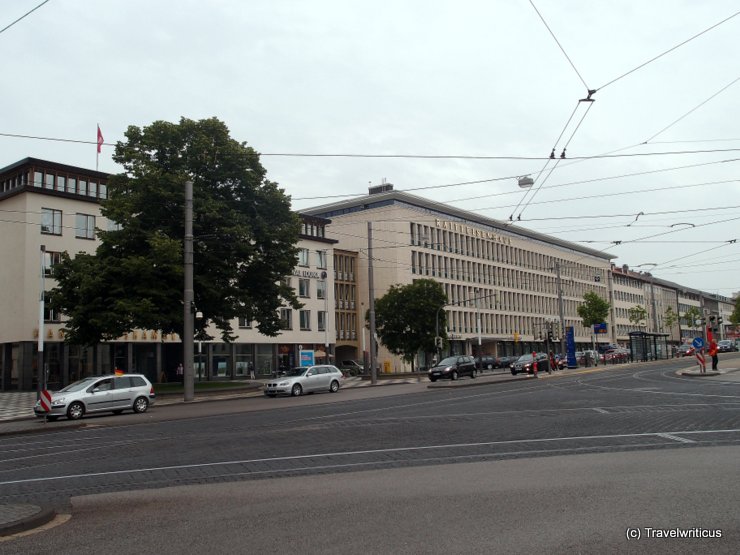
After World War II a large part of Kassel was rebuilt in the style of the 50ties. So if you are interested in the architecture of this period a walk through Kassel is a good way to learn more about it.