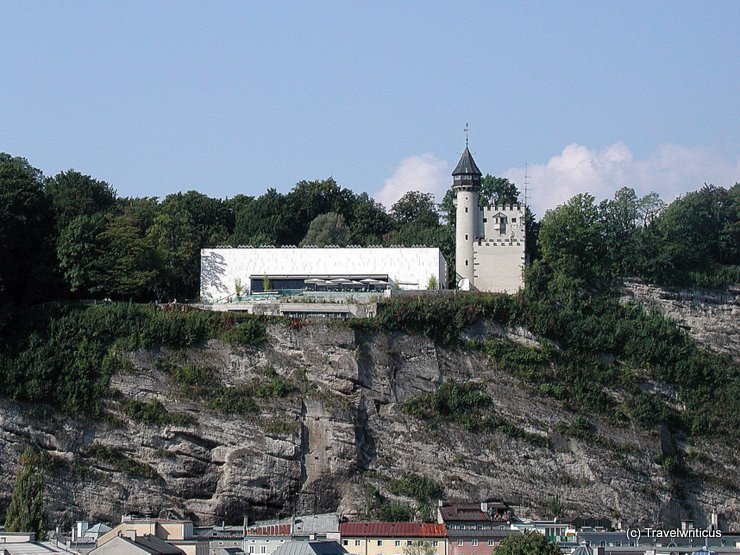
While walking through Salzburg, I took this photo of the Museum der Moderne (Museum of Contemporary Art) high over the city on top of the Mönchsberg. The castle-like building next to the museum is a water tower.
Browse through your travel destination!
While walking through Salzburg, I took this photo of the Museum der Moderne (Museum of Contemporary Art) high over the city on top of the Mönchsberg. The castle-like building next to the museum is a water tower.
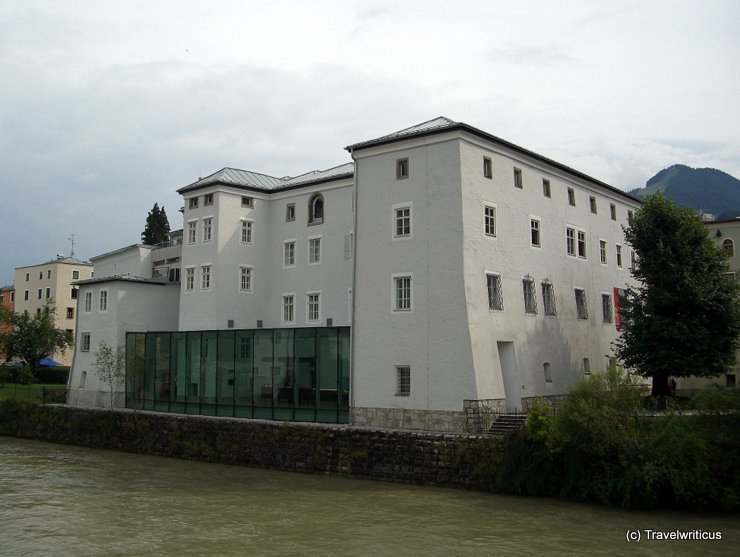
The Museum of Celts (Keltenmuseum) in Hallein describes the Celtic history in the area of the Austrian state of Salzburg. Another part of the museum tells the story of the salt mines in the region of Salzburg.
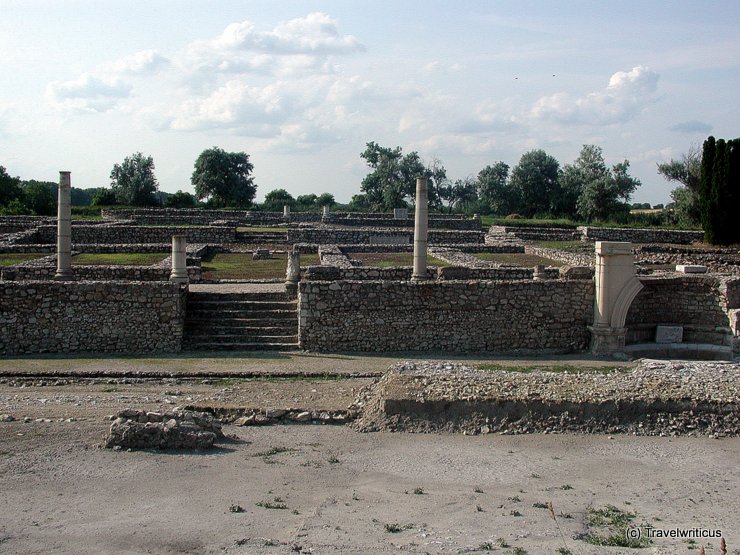
The Gorsium Archaeological Park near Tác tells about life in this region during the ancient age. The Roman influence started here with a fort protecting a road junction and a ford of the Sarviz River in the middle of the 1st century.
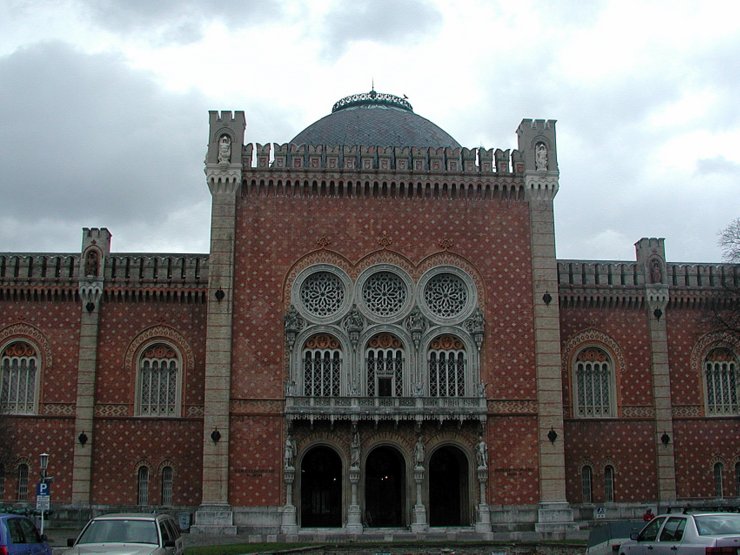
The Museum of Military History (Heeresgeschichtliches Museum) in Vienna is an architectural gem. So you find architecture in the style of Byzantine as well as Neo-Gothic. Some details may made you think of being in Venice.
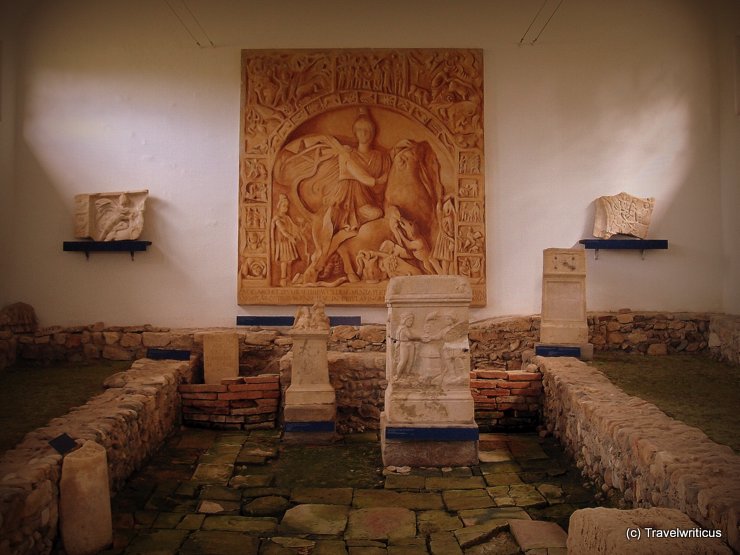
A protective building in the style of an ancient Roman sanctuary shelters the remains of the Mithras Shrine III in Ptuj. The shrine was erected in the sixties of the 3rd century by soldiers of the Legio XIII Gemina.
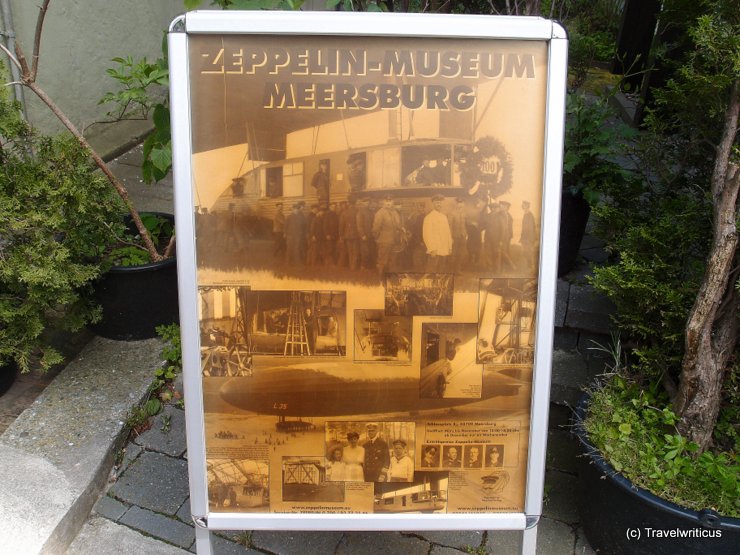
Meersburg, a place on the shore of Lake Constance, offers in one of its houses a Zeppelin Museum. This private collection and the large Zeppelin Museum in nearby Friedrichshafen would be a good combination for friends of the big airships.
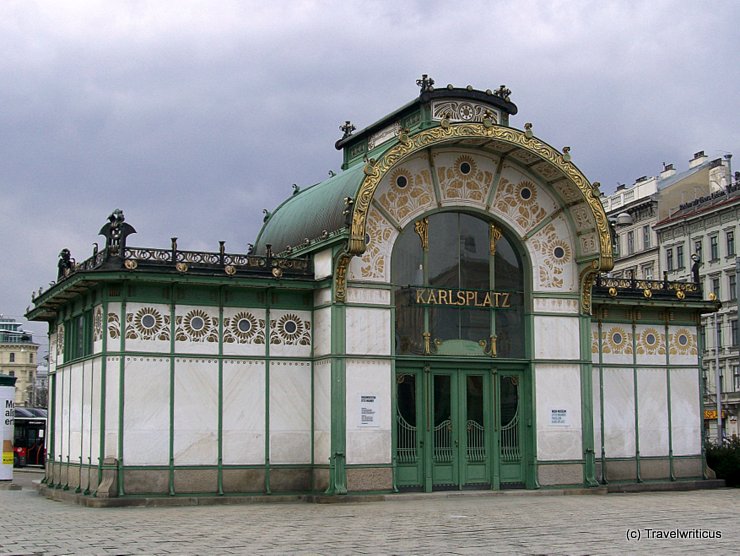
This Art Nouveau pavilion dates back to 1898. Architect Otto Wagner designed it as a station building for the Viennese Metropolitan Railway (Wiener Stadtbahn). Today, the Otto Wagner Pavillon houses a museum about this famous urban planner.
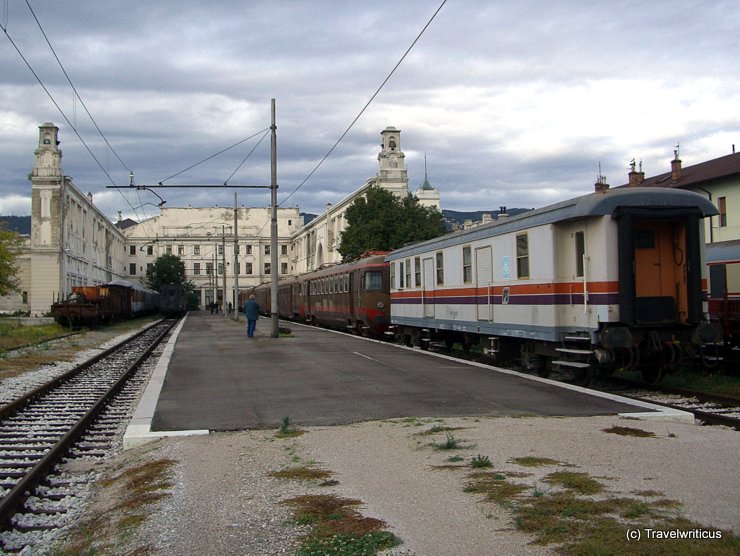
The railway museum in Trieste offers a charm of its own. The old locomotives and waggon stand inside the former station hall, which has lost its roof. That way, it is an open-air museum now.
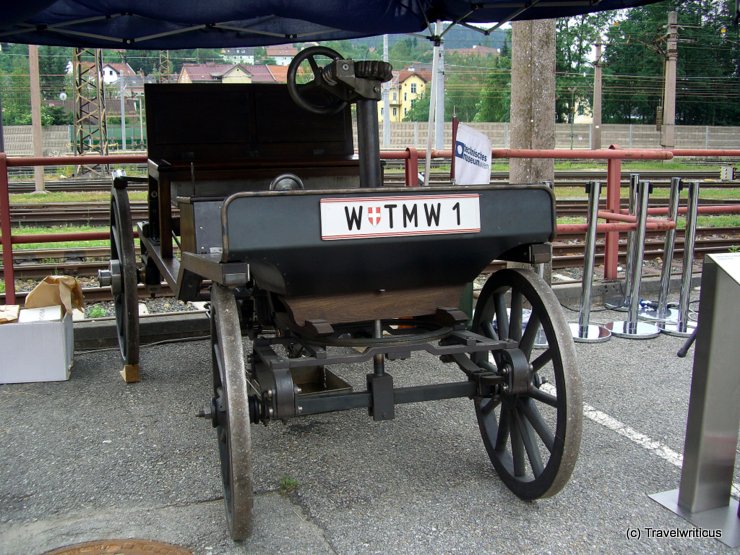
This pic shows an operating replica of the second car built by Siegfried Marcus. It formed an exhibit at a classic car meeting performed by the Südbahnmuseum in Mürzzuschlag. The original saw its construction in 1888/1889 and is still running too.
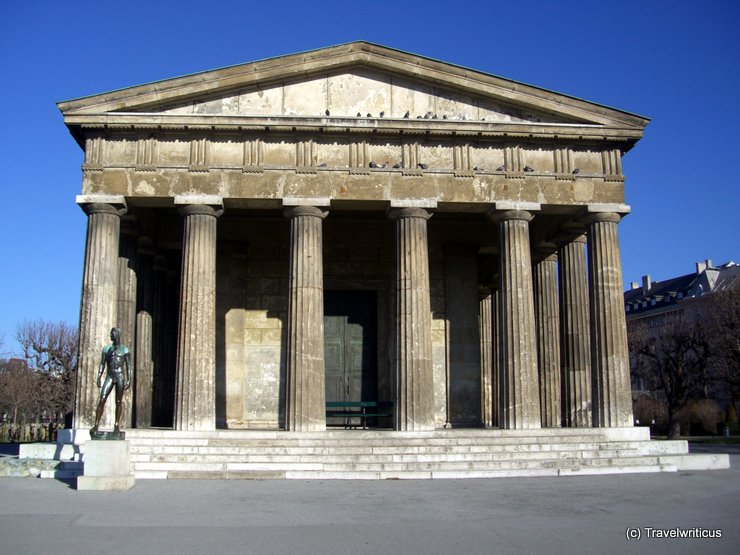
Visitors who enter the Volksgarten, a public park in Vienna, seem to face a piece of Greek antiquity. Of course, it isn’t ancient. The Theseus Temple is a classicistic building from the years 1819/23. Today, it forms a dependence on the Museum of Fine Arts.
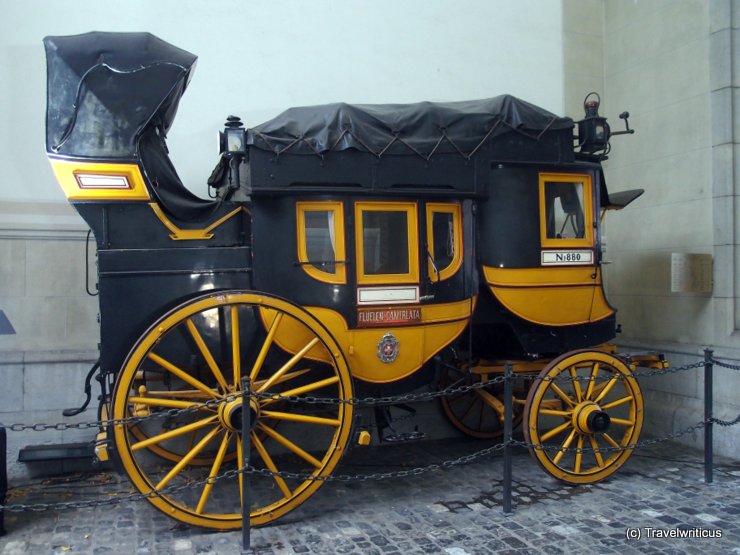
At the Landesmuseum Zurich next to the Zurich Central Station, this mail coach reminds us of the era when such coaches crossed the St Gotthard massif. It was in use in the 2nd half of the 19th century.
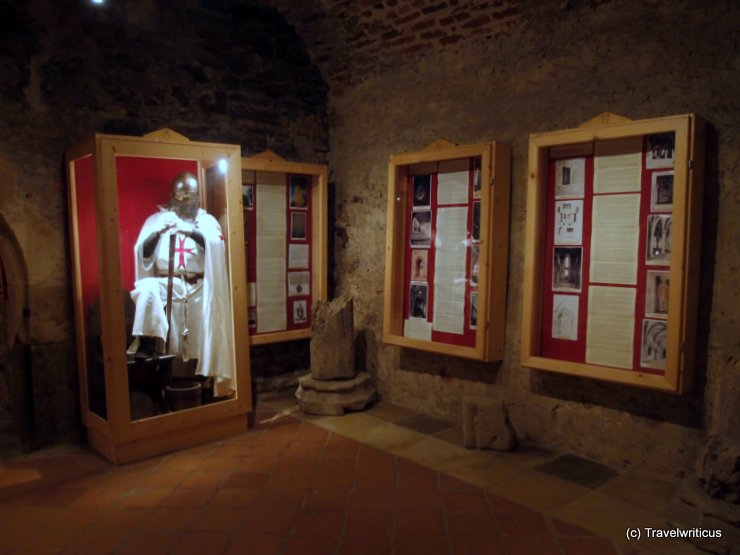
The Templar Museum at Lockenhaus Castle in the Austrian state of Burgenland presents the history of the Knights Templar. Besides that, it talks about Austrian places related to this military order. Lockenhaus Castle is considered one of them.