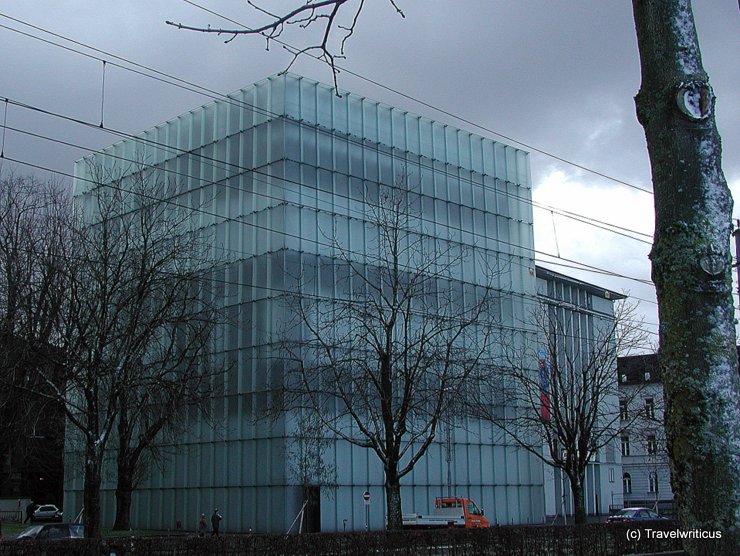
The Kunsthaus Bregenz (KUB) is known not only as one of the leading houses for contemporary art but also for its facade, which is made of 712 glass parts. You have this view from a train passing the building on a nearby railroad.
Browse through your travel destination!
The Kunsthaus Bregenz (KUB) is known not only as one of the leading houses for contemporary art but also for its facade, which is made of 712 glass parts. You have this view from a train passing the building on a nearby railroad.
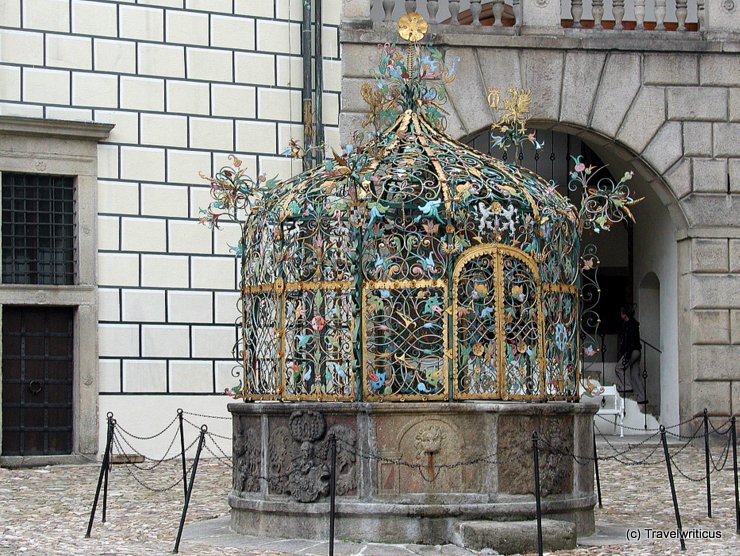
On my tour through the palace of Jindřichův Hradec, I came across this well. It looks like a piece from a fairy tale, doesn’t it? The castle is notable for a roundel, which is one of the principal works of the Bohemian Renaissance.
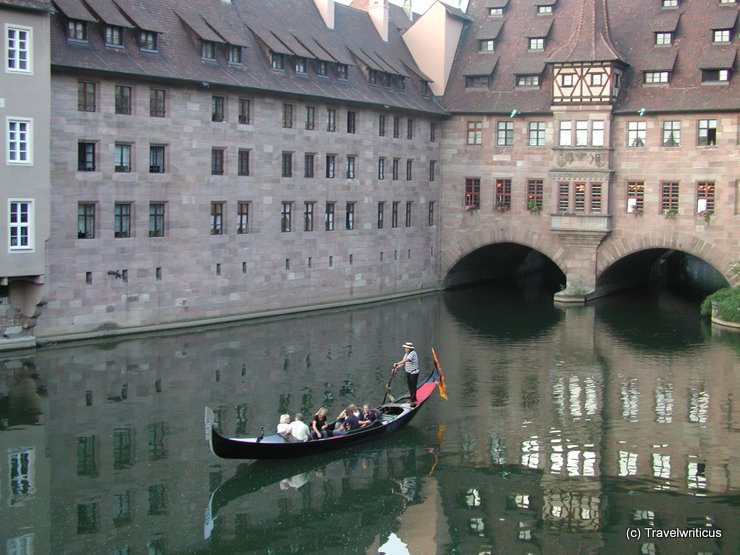
During my visit to Nuremberg, locals told me there was a guy with a gondola licence. After some hours watching the river in the middle of the city, I was able to catch him in a photo. The building in the background is named Heilig-Geist-Spital.
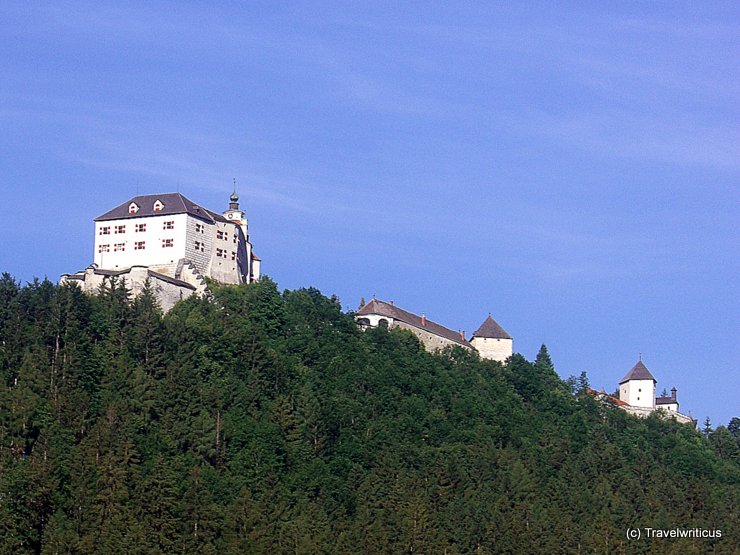
Train travellers on the railroad to Leoben find this view near Selzthal Railway Station. Strechau Castle (Burg Strechau) is considered the second-largest castle in Styria. Inside, visitors enjoy a collection of classic automobiles on display.
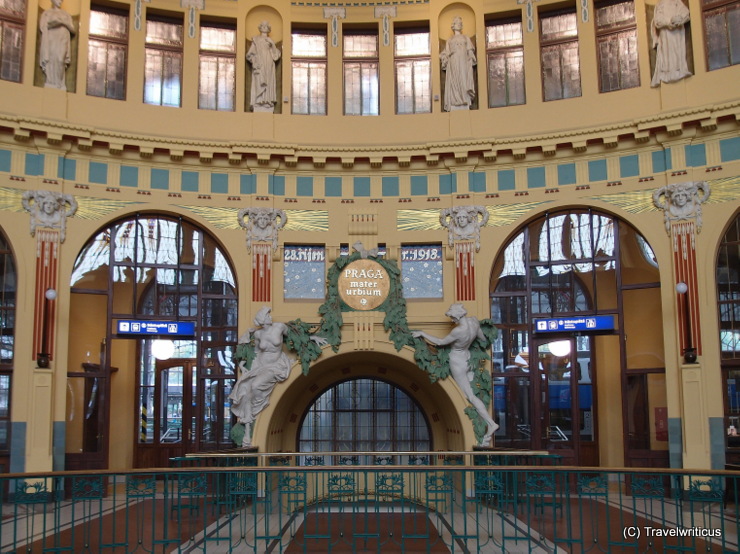
Following the signs to the old entrance hall of Prague Central Station leads to a gem of Art Nouveau. The nearby Fantova kavárna (Fanta Café) reminds visitors of the architect of this hall: Josef Fanta (1856-1954).
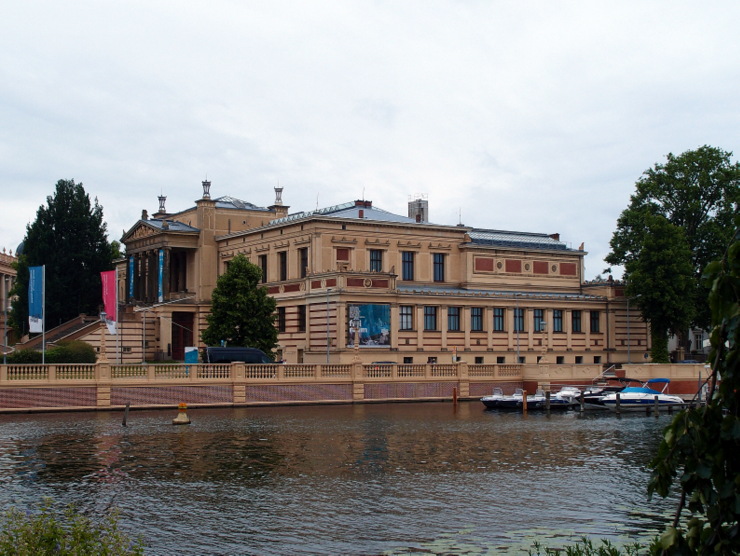
The Gallery of Old & New Masters (Galerie Alte & Neue Meister) in Schwerin is part of the State Museum Schwerin (Staatliches Museum Schwerin). The building, designed by architect Hermann Willebrand, opened in 1882.
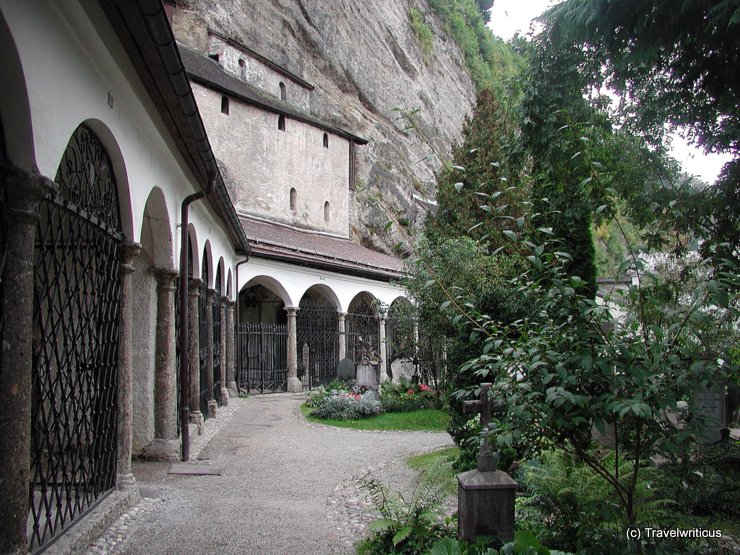
The cemetery of St. Peter (Petersfriedhof) is not only one of the oldest cemeteries of Salzburg but was also a set in the American movie ‘Sound of Music’. The small windows along the rock are part of the so-called catacombs.
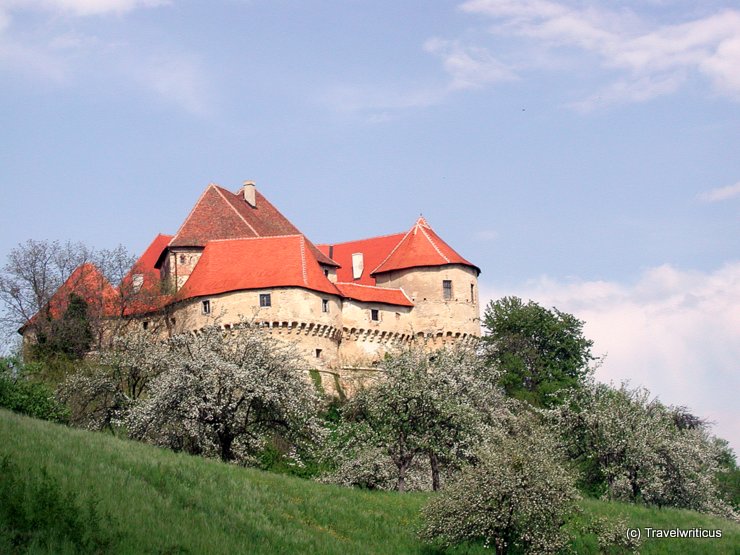
Veliki Tabor Castle (Grad Veliki Tabor) on a sunny spring day. The oldest part of this castle is a five-cornered tower which dates back to the 12th century. The Croatian painter Oton Iveković owned the building from 1927 to 1935.
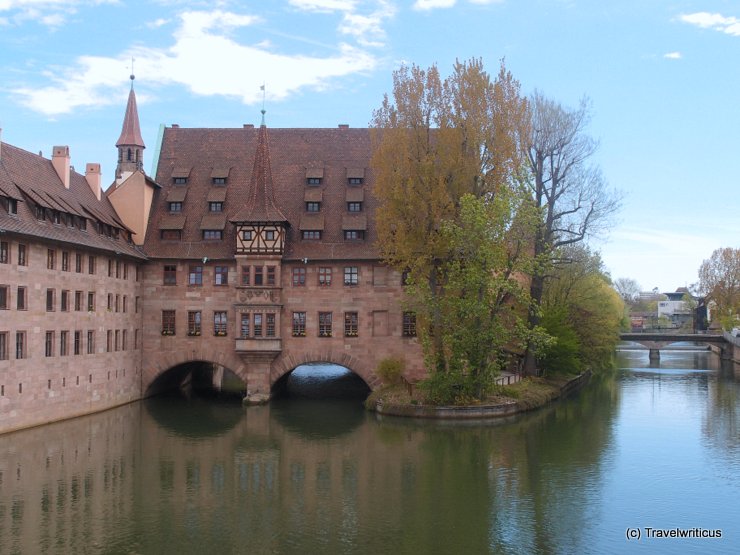
The Heilig-Geist-Spital is one of Nuremberg’s most iconic sights. The associated hospital church housed the Imperial Regalia for several centuries. Today, the depicted part of the spital accommodates a restaurant.
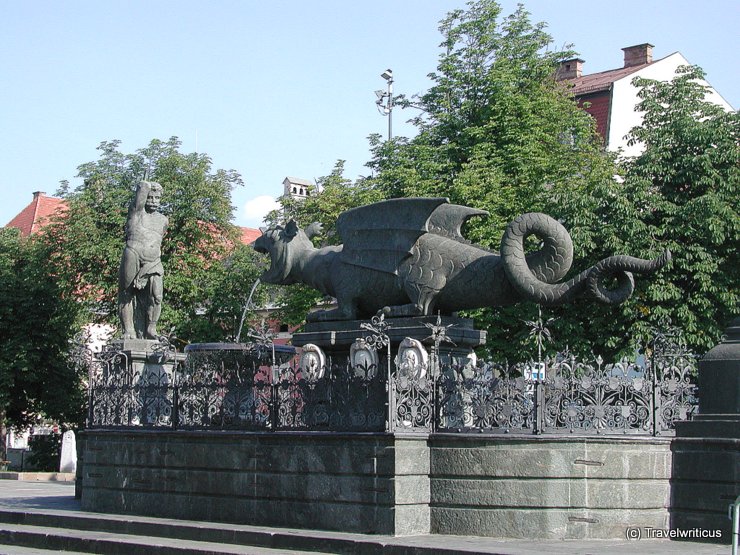
The Lindworm Fountain on the Neue Platz is the landmark of the Carinthian capital city Klagenfurt am Wörthersee. The sculpture dates back to the 16th century and refers to the city’s foundation legend.
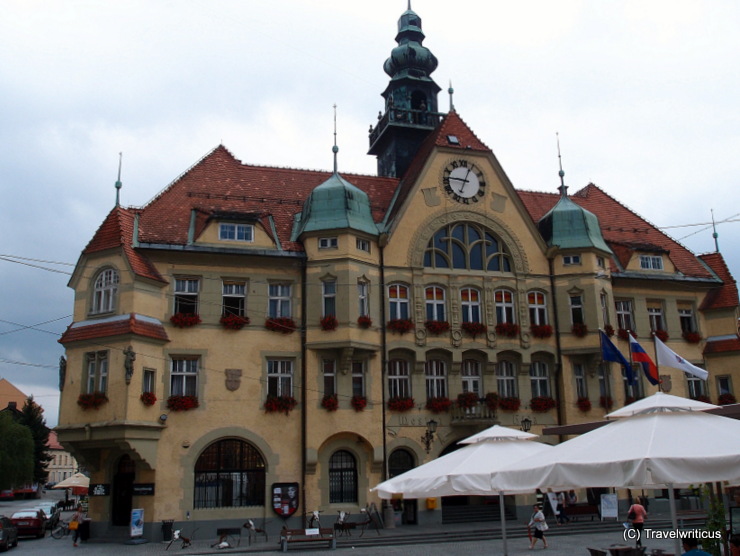
Architect Max Freiherr von Ferstel built the New Town Hall of Ptuj from 1906 to 1908. Max Ferstel is the son of Heinrich Freiherr von Ferstel, known for numerous buildings in Vienna in the style of historicism.
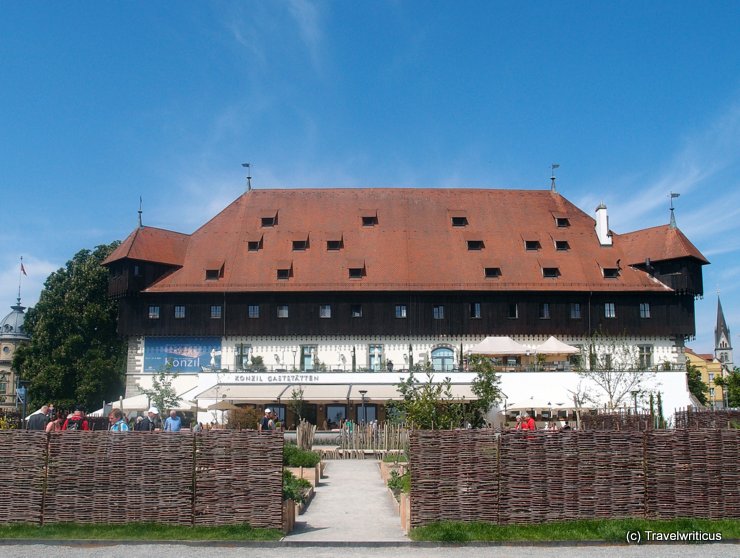
In this building, Pope Martin V saw its election in 1417. This event was significant during the Council of Constance (1414-1418). The name of this building still reminds us of this event: Council Building (Konzilgebäude).