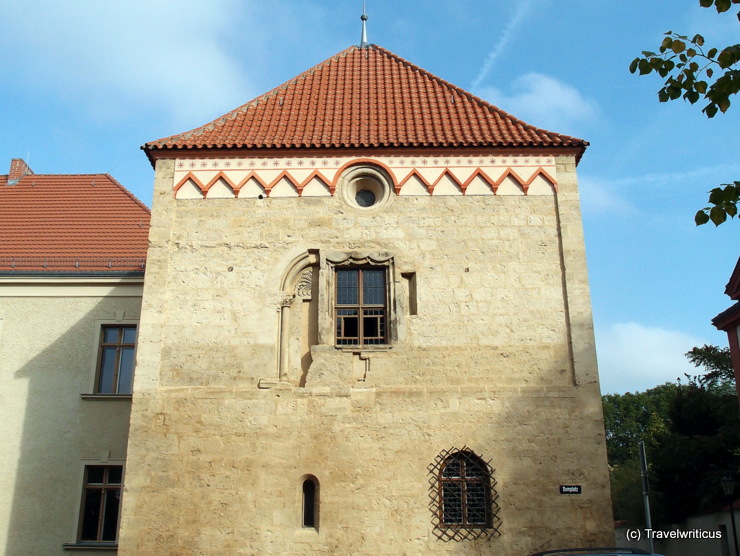
The St. Aegidius’ Chapel (Ägidienkapelle) was part of the medieval cathedral curia. Today is this 13th century chapel part of the southern route of the Romanesque Road (Straße der Romanik) in Saxony-Anhalt.
Browse through your travel destination!
The St. Aegidius’ Chapel (Ägidienkapelle) was part of the medieval cathedral curia. Today is this 13th century chapel part of the southern route of the Romanesque Road (Straße der Romanik) in Saxony-Anhalt.
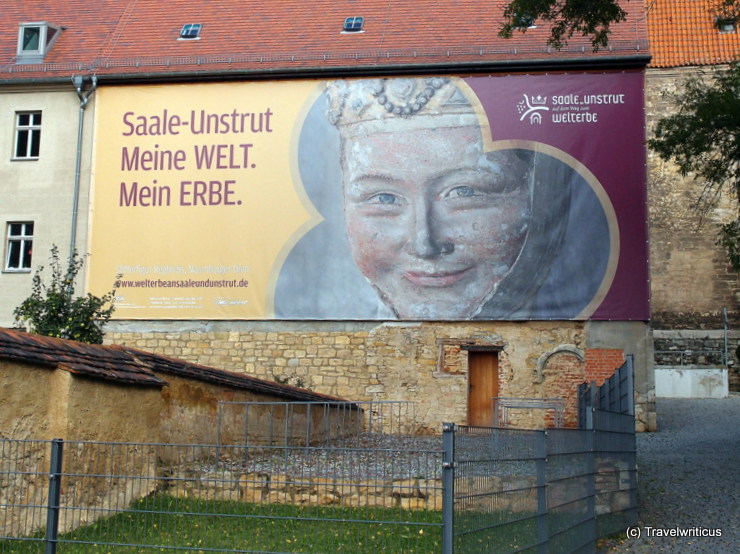
A poster promoting the nomination of the Saale-Unstrut valley for UNESCO World Heritage Site. There are several posters displaying local personalities as well as examples of the cultural gems in this region. At the depicted poster found in Naumburg (Saale) you can see Reglindis, one of twelve donator portraits inside Naumburg Cathedral.
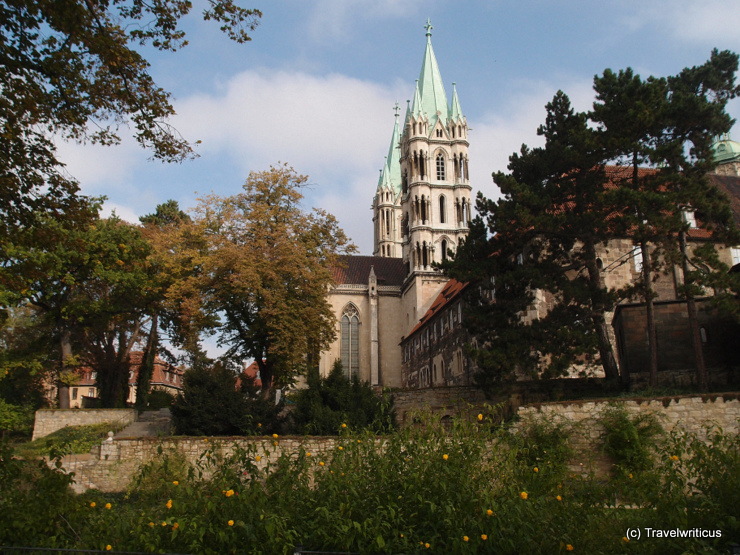
The historical garden of Naumburg Cathedral is part of the network Gartenträume (Gardendreams) which comprises 40+ significant parks and gardens of Saxony-Anhalt. Among others it shows those plants which served the Naumburg Master around 1250 as model for the artful sculptures in the west choir of the cathedral.
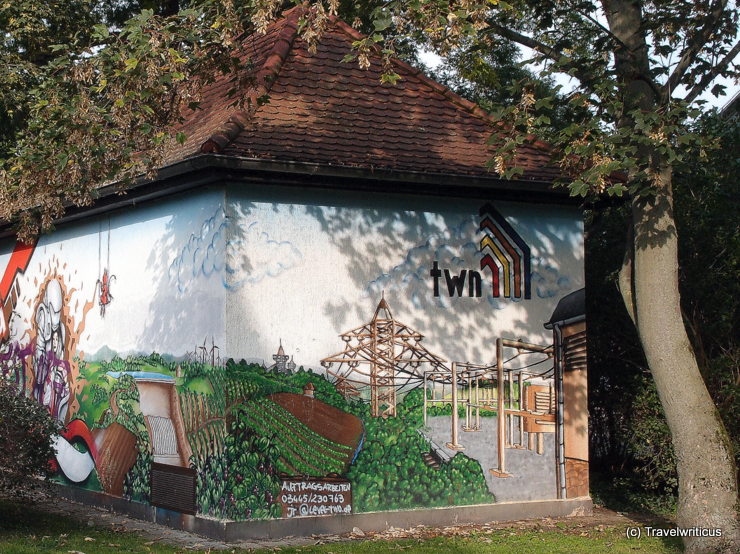 This mural on an electrical substation of the TWN in Naumburg (Saale) shows a large substation, some vineyards and the famous cathedral of Naumburg.
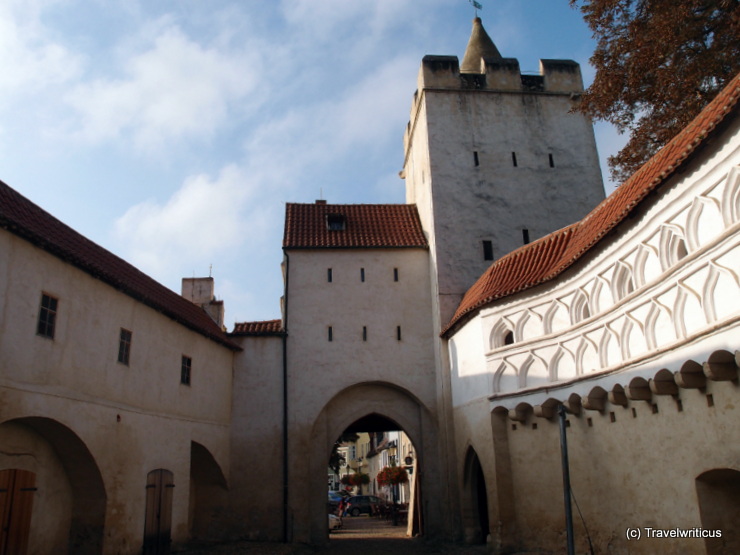
Of five town gates, only one is left. The Marientor is a gate dating back to 1445. It consists of a tower with the for the region typical conical roof and a barbican covered by a late Gothic wall-walk.
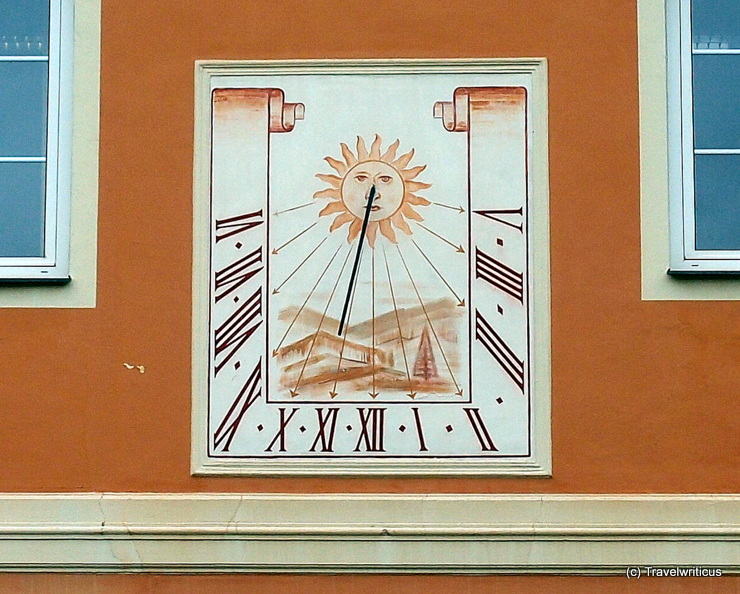
This sundial is located at a building generally known as Hofrichterstöckl. The 17th-century edifice is covered with a hip roof and offers an early Baroque entrance portal labelled with the year of construction in 1640.
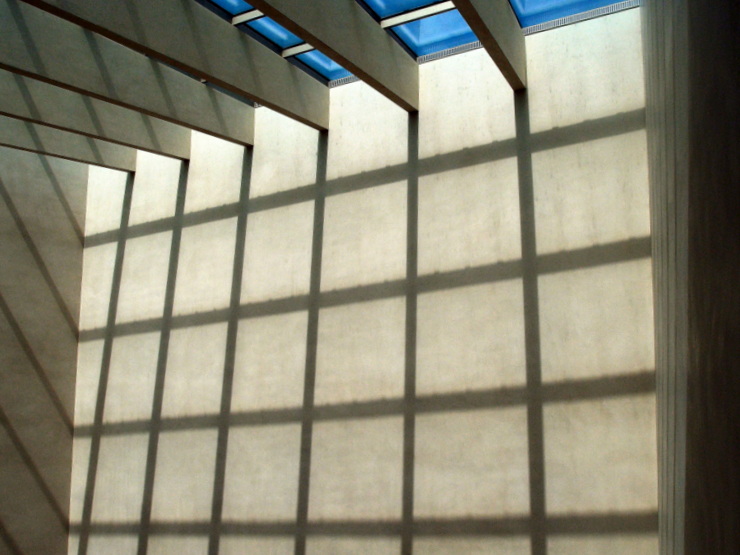
The atrium of the Vorarlberg Museum is more than 20 metres high. On the ground floor it is used for temporary exhibition. Along the other floors it offers a great play of light and shadow. This pic was taken at the second floor of the building.
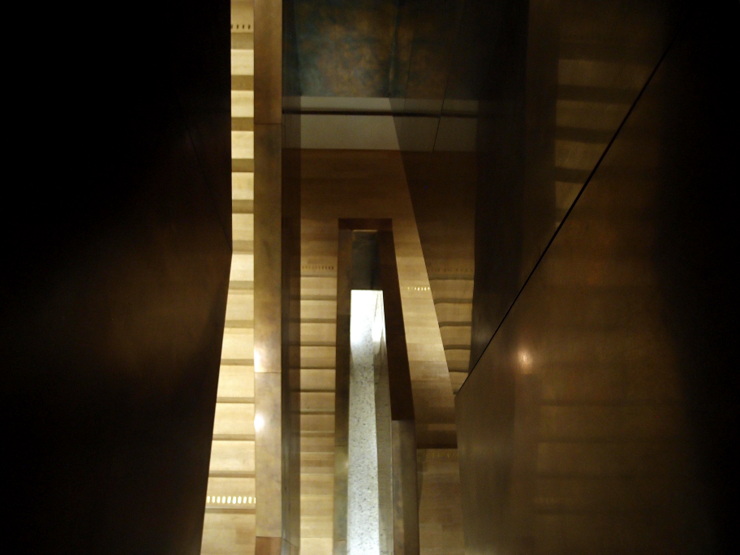
The Vorarlberg Museum in Bregenz offers some fascinating architectural details. The color play in the staircase is a result of the stairs made of oak and the brass handrail.
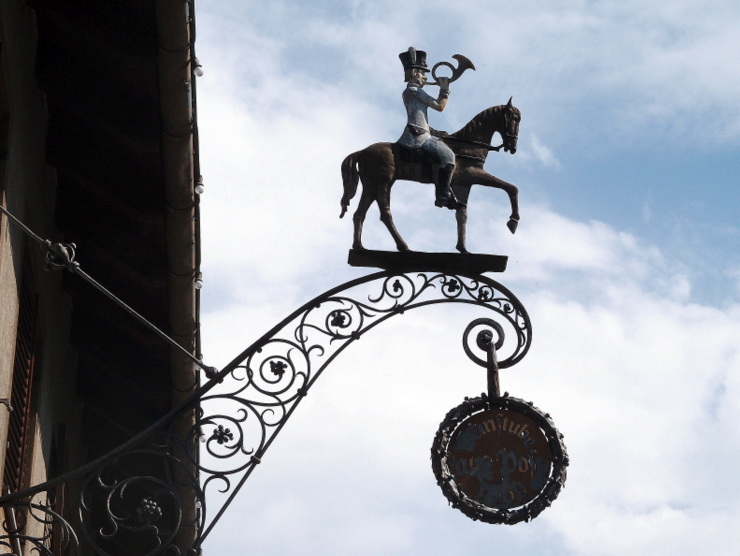
Inn sign at the wine tavern ‘Alte Post‘ in Dornbirn. The sign is labeled with the name of the tavern and the date 1869. The sign shows a postilion which probably refers to the earlier use of the building as coaching inn.
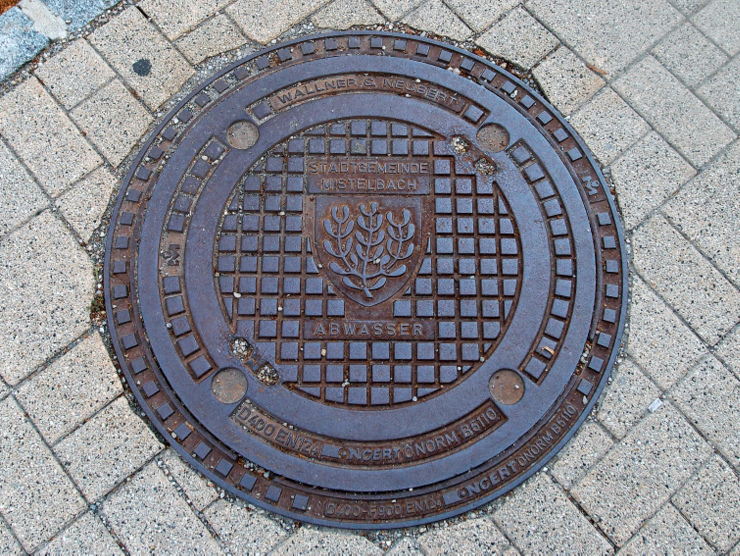
The manhole cover of Mistelbach shows a sprig of mistletoe, which is also the emblem of the city. The part ‘Mistel’ in the city name is actually the german term for a mistletoe.
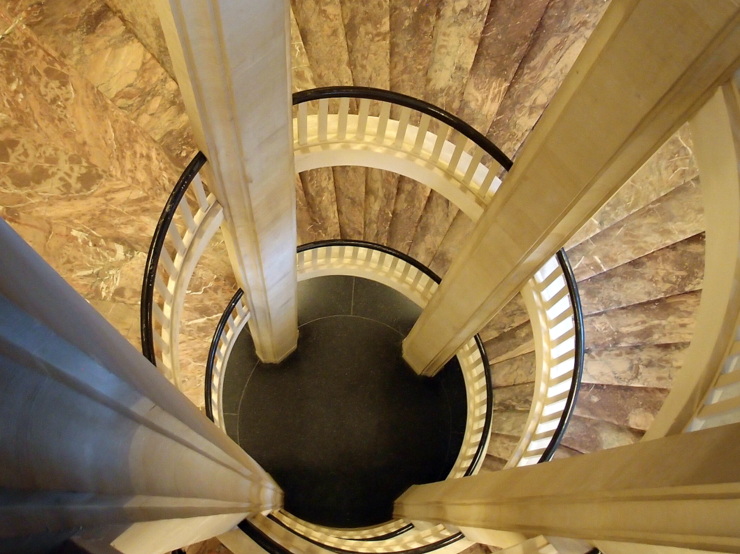
Looking downstairs at Schwerin Palace (Schloss Schwerin). The palace houses a museum as well as the state diet (Landtag) of the German federal state of Mecklenburg-Vorpommern.
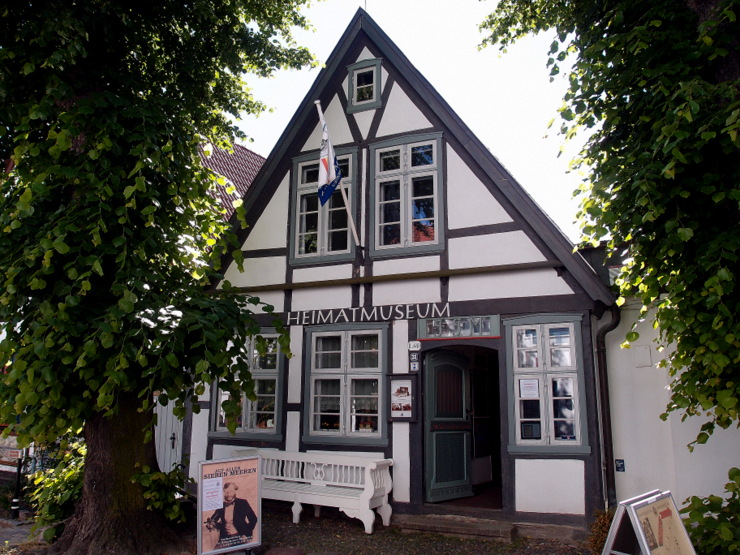
The museum of local history (Heimatmuseum) is located in a building dating back to 1767. The exhibition tells about local life as well as about typical elements of a seaman’s life. So one can see collections of dioramas built by sailors. There are also souvenirs like English stoneware brought home from numerous sea travels.