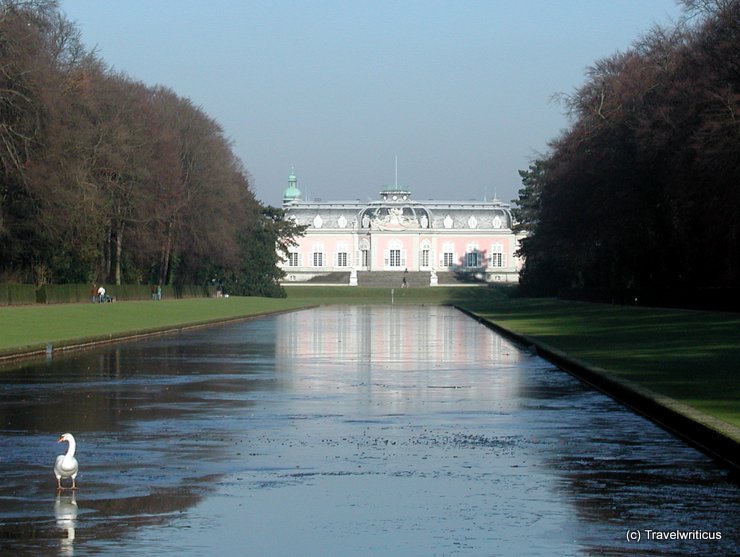
Benrath Palace (Schloss Benrath) saw its construction between 1755 and 1773. The number of floors differs between the outside and the courtyard side. The servants’ rooms on the inside are lower than the staterooms on the outside.
Browse through your travel destination!
Benrath Palace (Schloss Benrath) saw its construction between 1755 and 1773. The number of floors differs between the outside and the courtyard side. The servants’ rooms on the inside are lower than the staterooms on the outside.
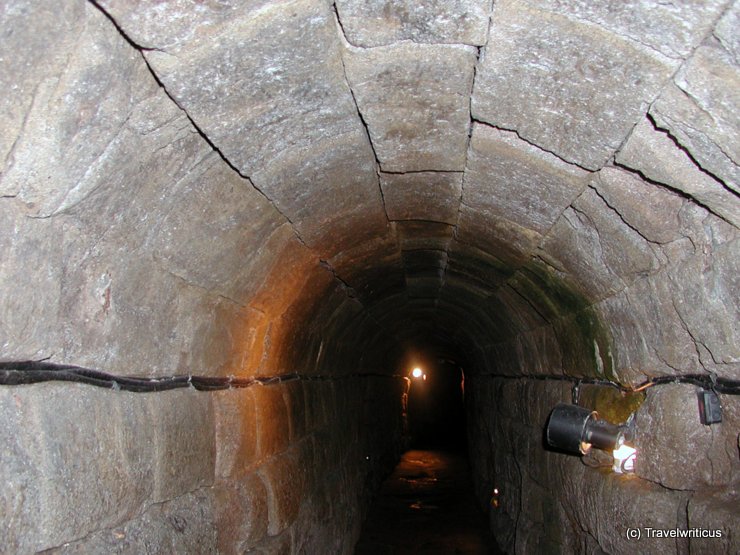
Below the Spanische Bau in Cologne, fans of Roman architecture find the remains of the ancient Roman Praetorium. Right next to these ruins, visitors have the chance to walk through a former Roman sewer below the streets of the modern city.
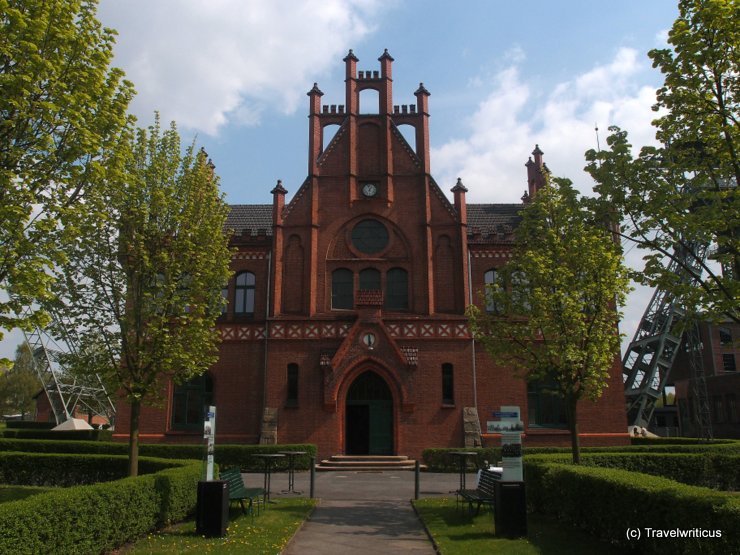
This building, generally known as Alte Verwaltung, was a work by architect Paul Knobbe. It served as the director’s office and administration building of the Zeche Zollern. Today, the building serves as a venue for events and weddings.
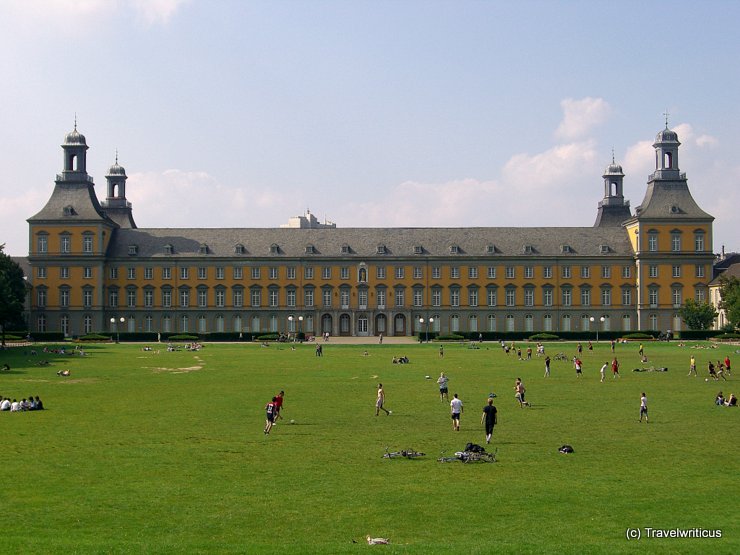
The Electoral Palace (Kurfürstliches Schloss) in Bonn was the former residential palace of the Prince-Electors of Cologne. Where the Prince-Electory used to walk in a beautiful garden, young people play football these days.
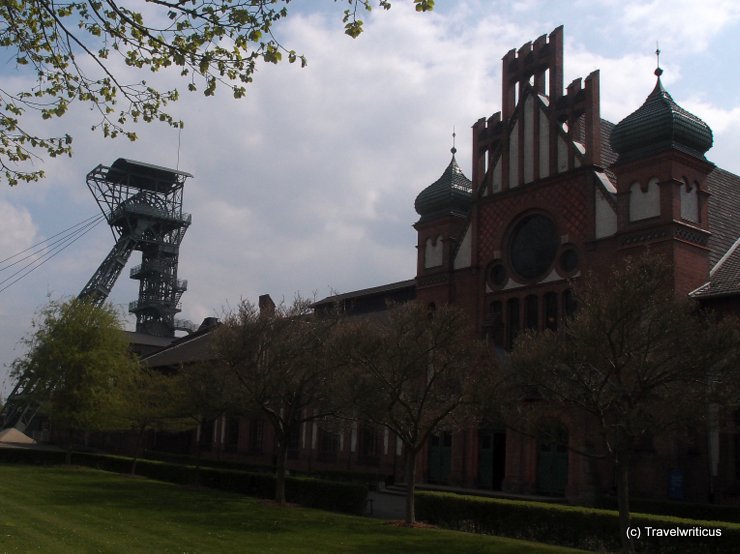
The Lohnhalle is an intriguing building at the colliery Zeche Zollern in Dortmund. It looks like a station hall with several cashier’s desks inside. The miners were paid their wages in this hall.
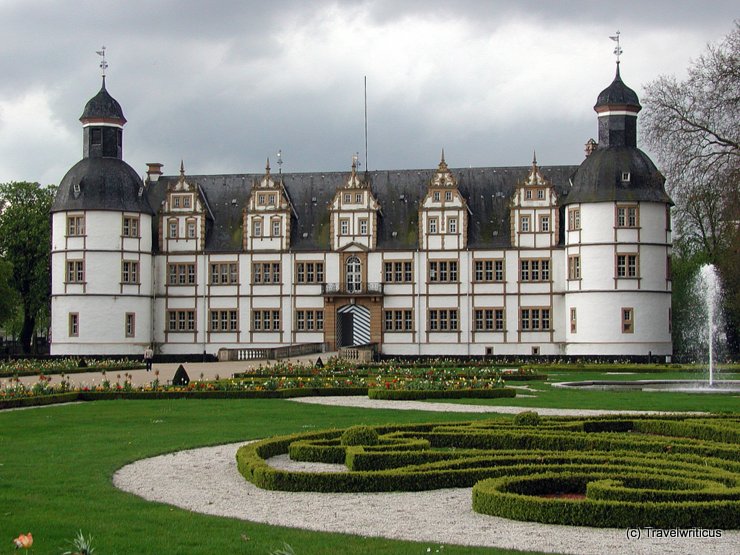
Schloss Neuhaus in Paderborn is a palace in the style of Weser Renaissance. The adjoined park formed the venue of a State Garden Show in 1994. As a result, visitors experience a relaxing walk on still splendid castle grounds.
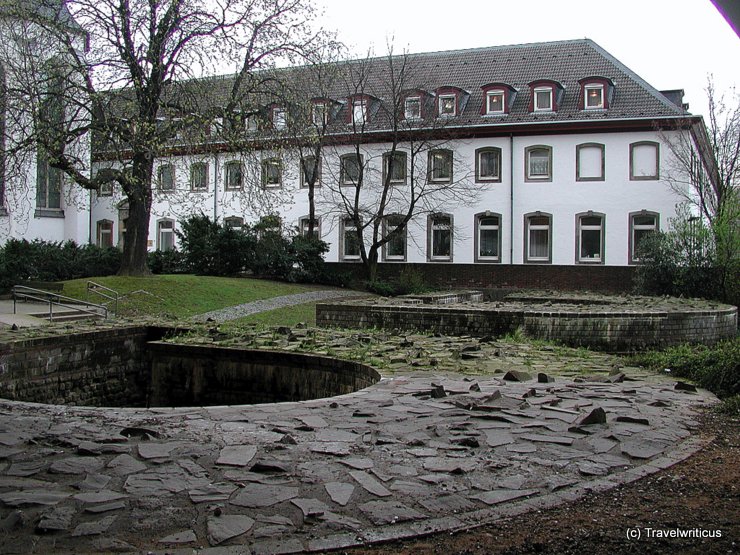
In Cologne (Köln), you can still find the remains of an ancient Roman fort. The name of the Köln-Deutz district originates from the name of the depicted fort called Divitia. During Roman times, these walls guarded an important Rhine bridge.
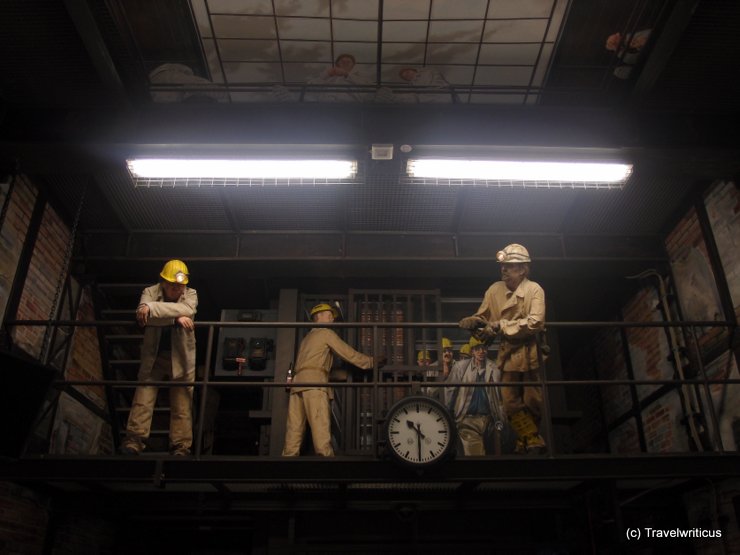
The Deutsche Bergbau-Museum (German Mining Museum) consists of a show mine and a collection of exhibits regarding mining. The photo above was taken at the elevator, bringing visitors down to the show mine.
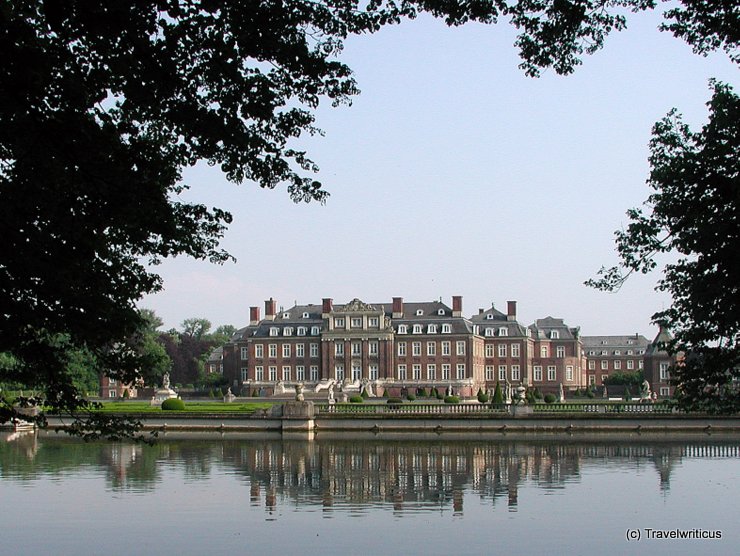
Nordkirchen Castle (Schloss Nordkirchen) is the largest palace with a moat in the region of Westphalia. The present palace, also known as “Versailles of Westphalia”, dates back to the 18th century.
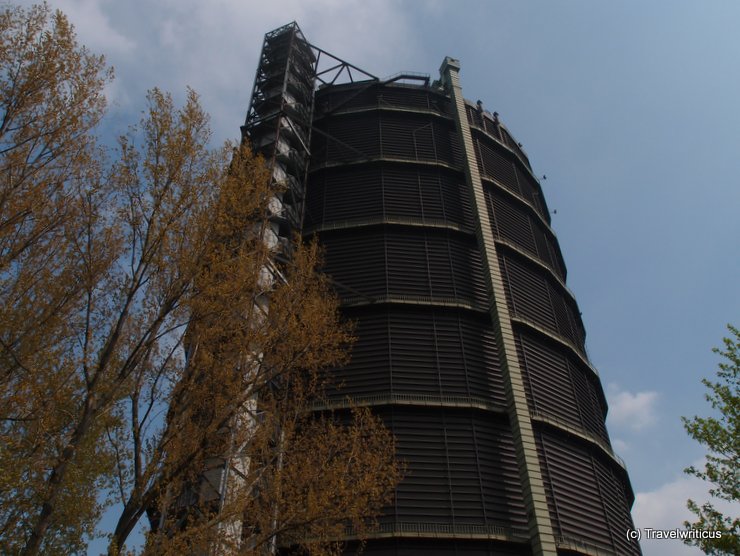
The Gasometer in Oberhausen is the largest disc-type gasholder in Europe. Today, it serves as an exhibition hall. Visitors enjoy an excellent view after reaching the top by an elevator or a staircase outside the building.
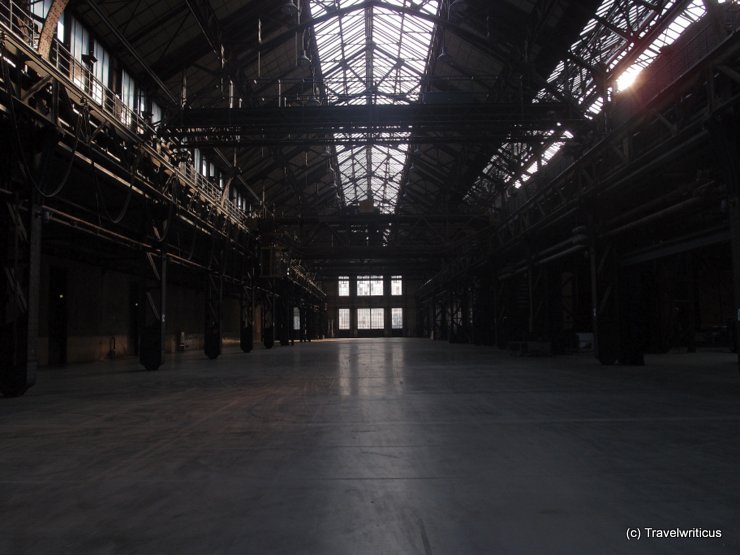
The Jahrhunderthalle is a venue for such famous events like the Ruhrtriennale. Interesting detail: The hall was constructed on top of an existing plant. After that, the soil was risen up to the level of the hall. So the first plant became part of the basement.
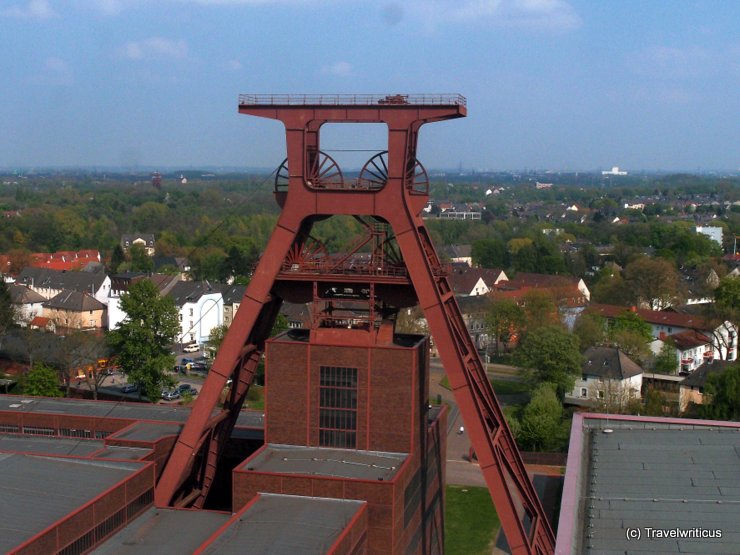
The Zeche Zollverein (Zollverein Coal Mine Industrial Complex) is considered a World Heritage Site and an anchor point of the European Route of Industrial Heritage. Its iconic headframe is a known landmark in the city of Essen.