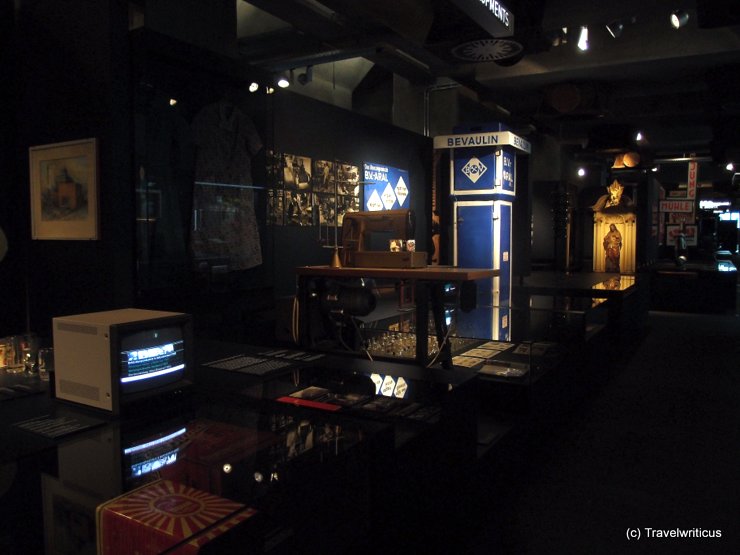
Museeum geeks find the Ruhr Museum in the former coal preparation plant at the Zeche Zollverein. On several floors, it tells the story of the Zeche (coal mine) and portrays the history of the Ruhrgebiet (Ruhr Area).
Browse through your travel destination!
Museeum geeks find the Ruhr Museum in the former coal preparation plant at the Zeche Zollverein. On several floors, it tells the story of the Zeche (coal mine) and portrays the history of the Ruhrgebiet (Ruhr Area).
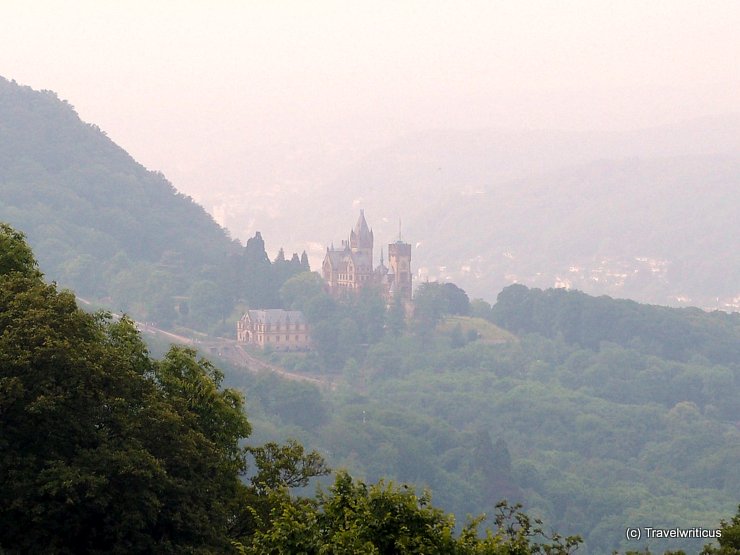
Drachenburg Castle (Schloss Drachenburg) is a late 19th-century building in the style of a fairy-tale palace. Its founder was Baron Stephan von Sarter, a broker and banker. You have the depicted view from the terrace of the nearby Petersberg Grand Hotel.
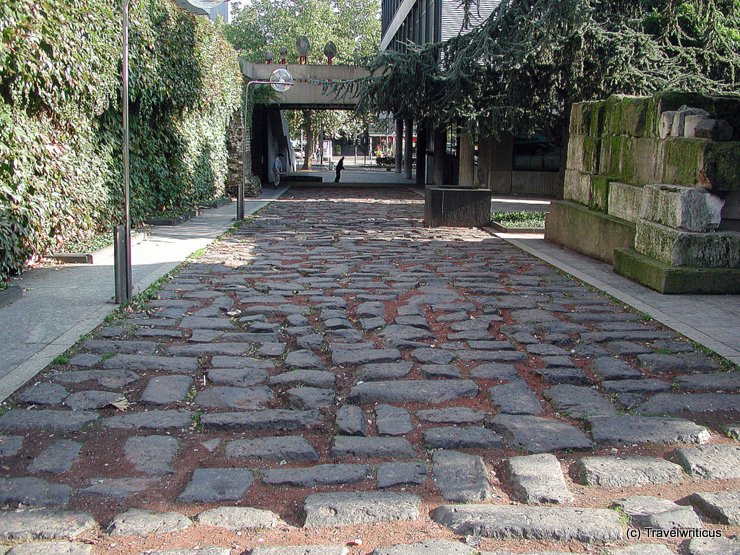
Near the Roman Museum, pedestrians see this reconstruction of an ancient street. The lane is known as Harbour Road, though it doesn’t lead to a port anymore. It isn’t an exact reconstruction of the former street, but the basalt stones are from Roman times.
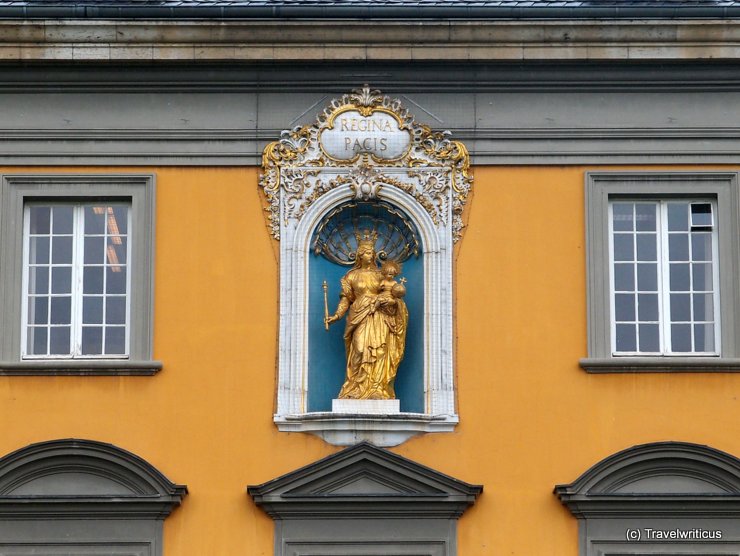
Wilhelm Rottermondt created this statue of the “Regina Pacis”. In English, this title translates to Our Lady Queen of Peace. You find this sculpture in a niche on the facade of the University of Bonn, also known as Rhenish Friedrich Wilhelm University of Bonn.
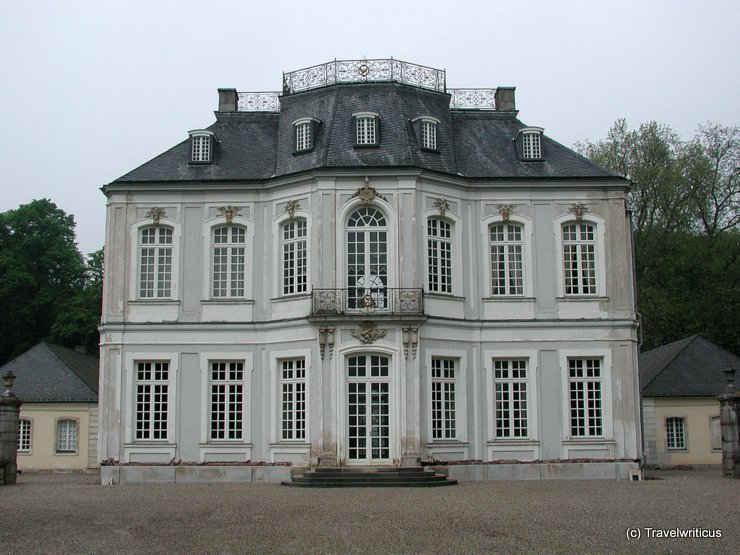
Schloss Falkenlust (Falkenlust Palace) was built from 1729 to 1740 as a hunting lodge. It is part of an ensemble with Schloss Augustusburg connected by a big garden. Both of them are part of the UNESCO World Heritage list.
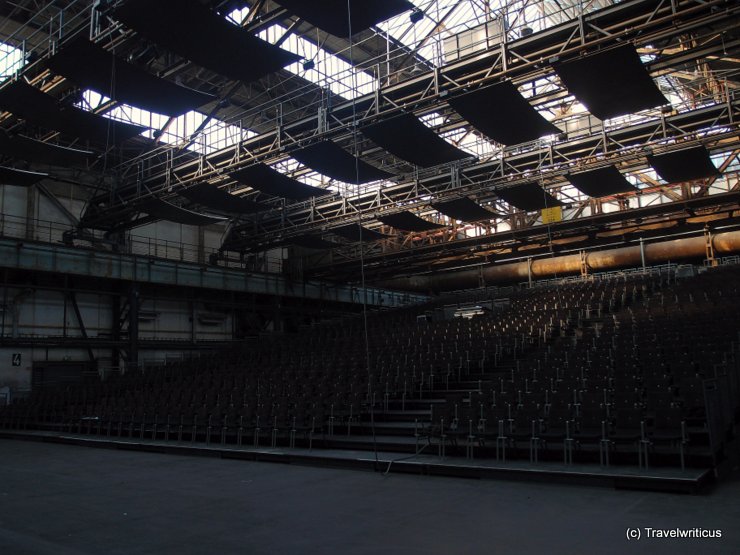
The Ruhrtriennale is an annual music and arts festival in the Ruhr area of Germany. You find its venues in industrial heritage sites like the Jahrhunderthalle in Bochum (Picture), the Zeche Zollverein, and the Landschaftspark Duisburg-Nord.
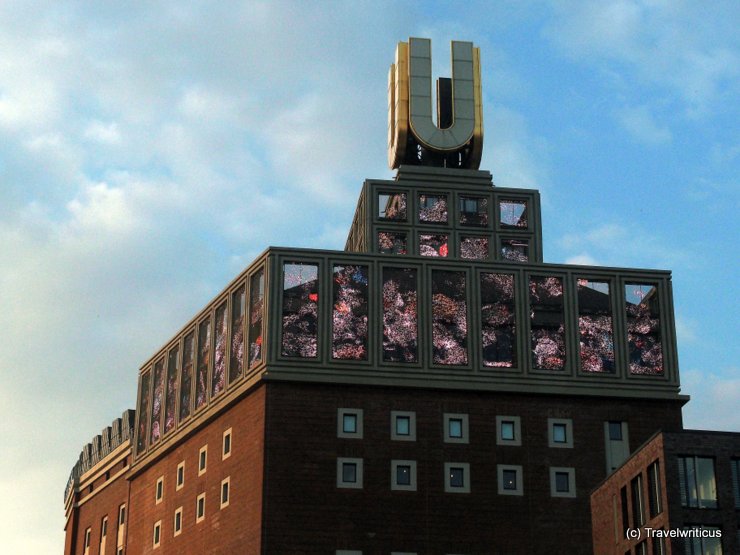
The landmark of Dortmund is the big U on top of a former brewery building. Today the building houses besides others the Museum Ostwall and some exhibition rooms. The elements looking like mosaics are actually movies shown high over the city.
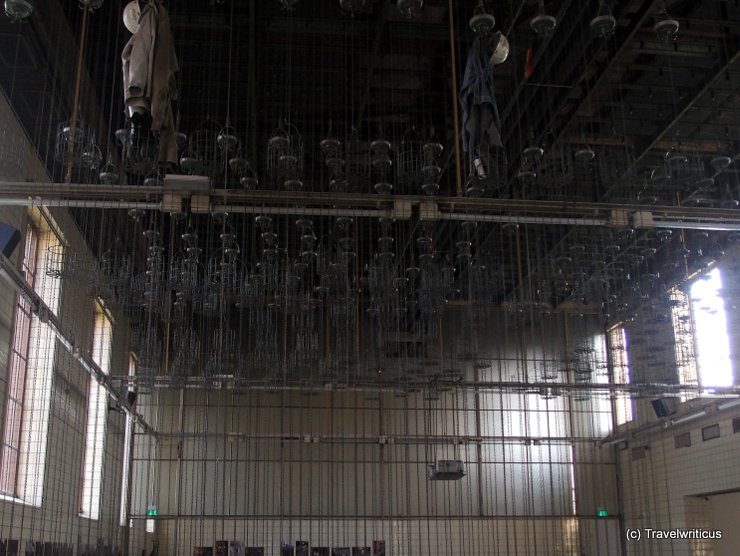
A detail I was especially impressed in. At the coking plant Hansa I saw a pithead bath. In this hall the workers put their clothes in special frameworks. Each framework is movable up and down by a chain.
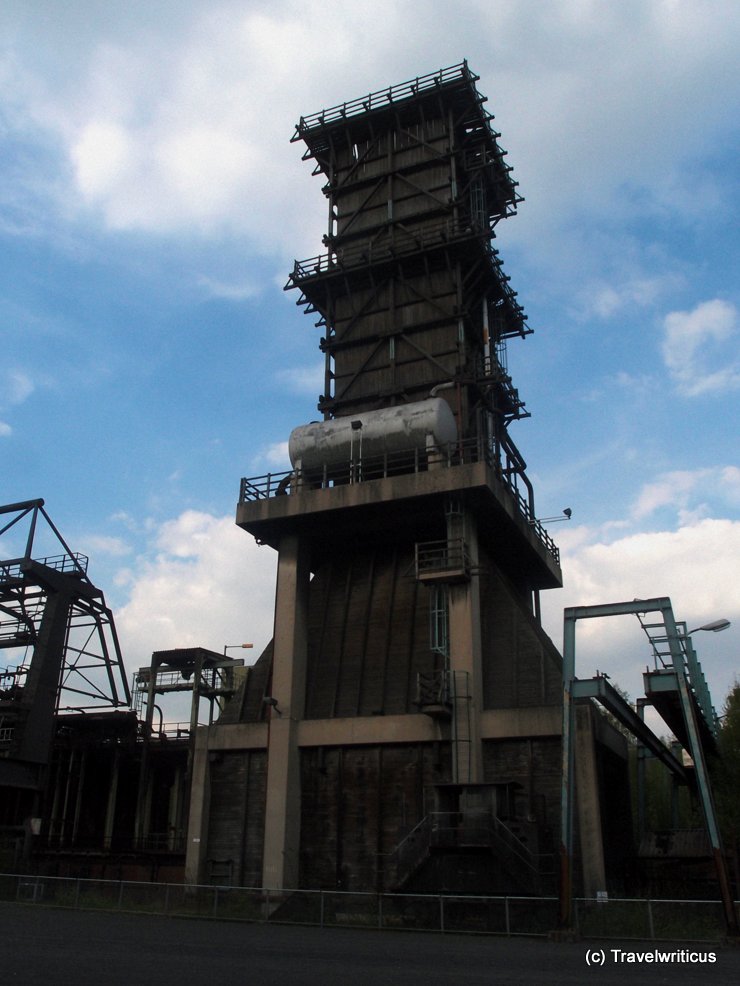
Kokerei Hansa is a former coking plant in Dortmund. Today the plant houses a huge climbing gym named Kletterhalle Bergwerk and the remaining installations can be visited by guided tours.
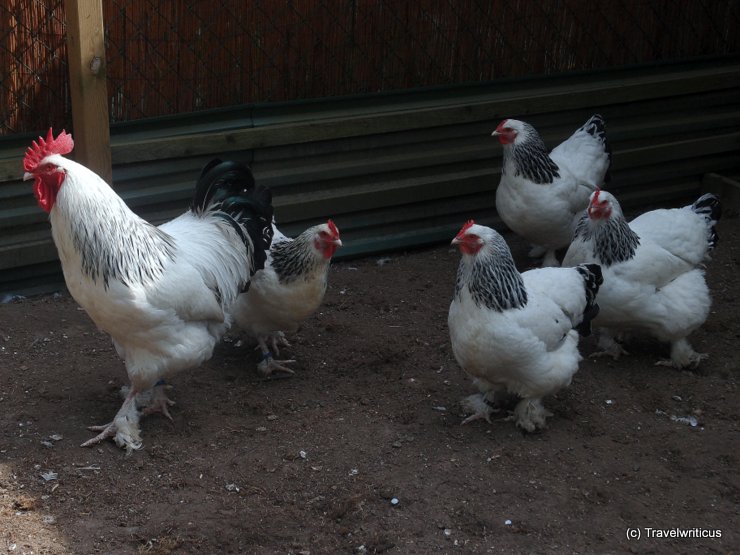
In earlier times German miners used to have a small garden for vegetable and animals behind their homes. While strolling around a mining settlement next to the colliery Zeche Zollern I came across this special breed of chickens. In German they are called Sundheimer.
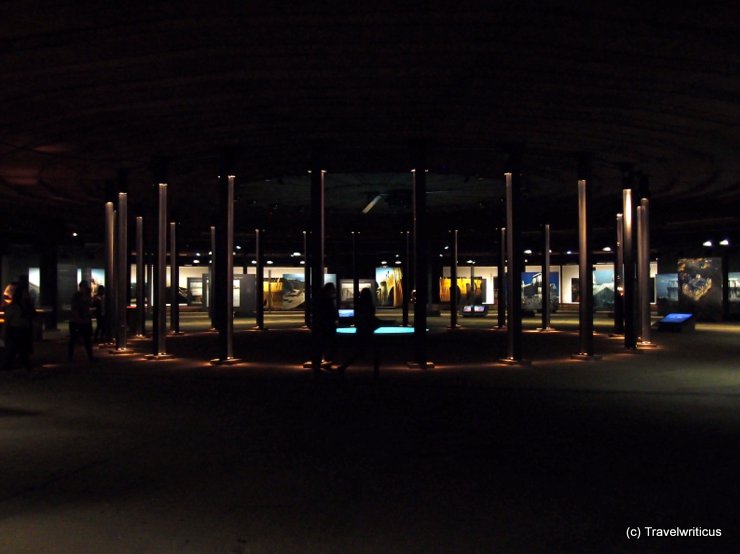
Every year another interesting art project takes place at the Gasometer (a former gas holder) in Oberhausen. In 2013 I visited the ‘Big Air Package’ created by Christo. This time the artist, who is generally known for wrapping huge things, produced a kind of balloon filling the inside of the gas holder.
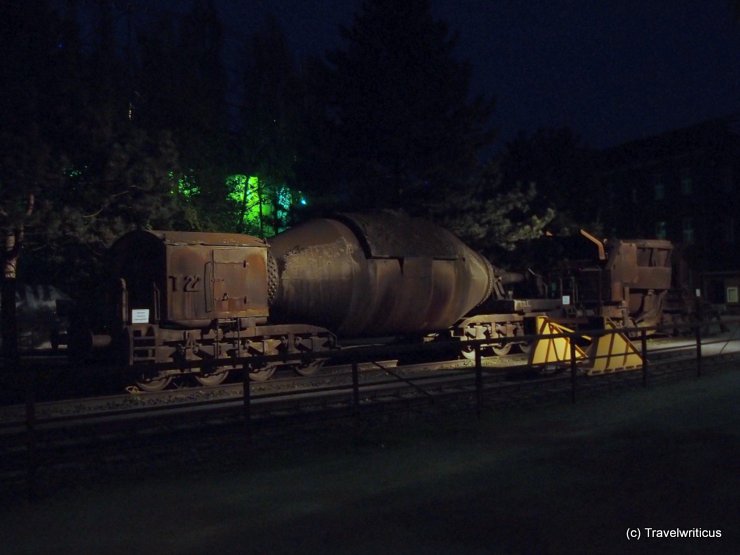
On my night stroll through the Landschaftspark Duisburg-Nord, an industrial heritage park in Ruhr area, I came across this torpedo car. These cars are used for hauling molten pig iron from the blast furnace to the next processing unit.