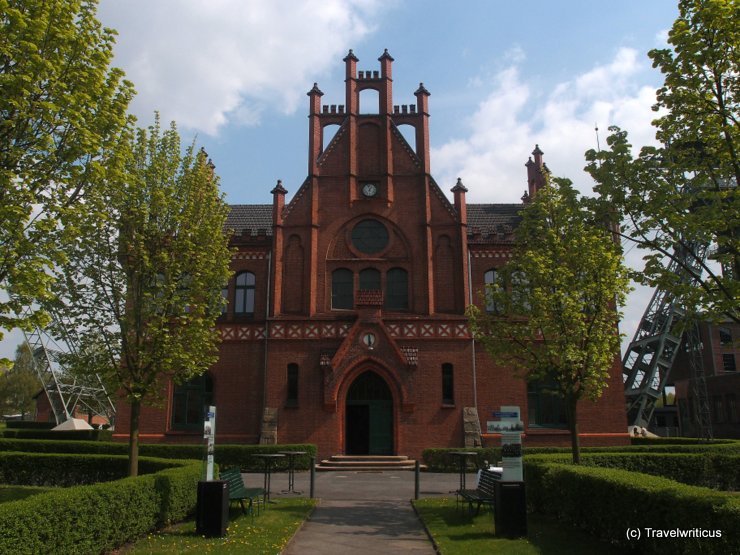
This building, generally known as Alte Verwaltung, was a work by architect Paul Knobbe. It served as the director’s office and administration building of the Zeche Zollern. Today, the building serves as a venue for events and weddings.
Browse through your travel destination!
This building, generally known as Alte Verwaltung, was a work by architect Paul Knobbe. It served as the director’s office and administration building of the Zeche Zollern. Today, the building serves as a venue for events and weddings.
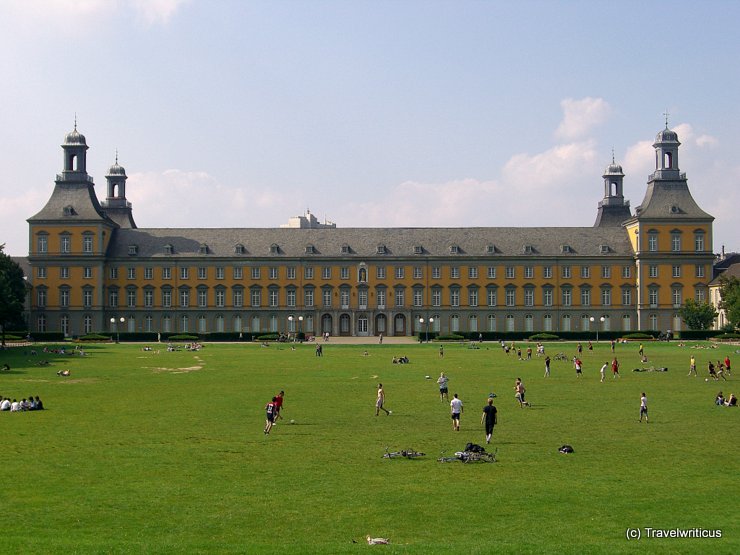
The Electoral Palace (Kurfürstliches Schloss) in Bonn was the former residential palace of the Prince-Electors of Cologne. Where the Prince-Electory used to walk in a beautiful garden, young people play football these days.
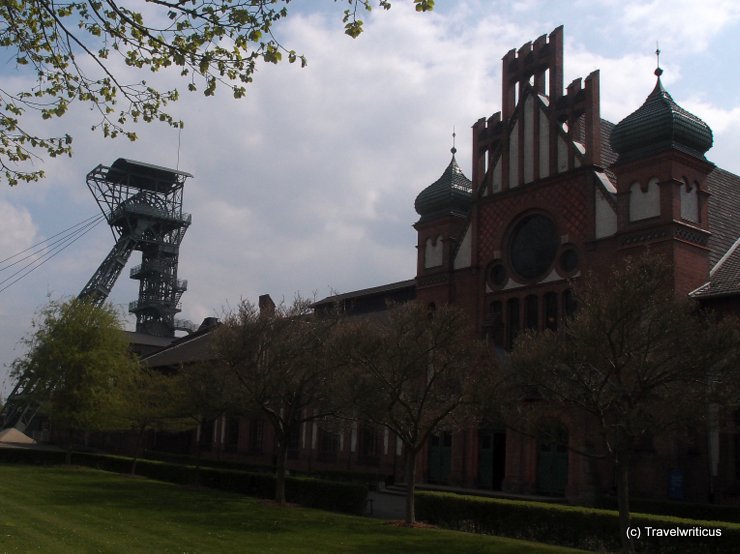
The Lohnhalle is an intriguing building at the colliery Zeche Zollern in Dortmund. It looks like a station hall with several cashier’s desks inside. The miners were paid their wages in this hall.
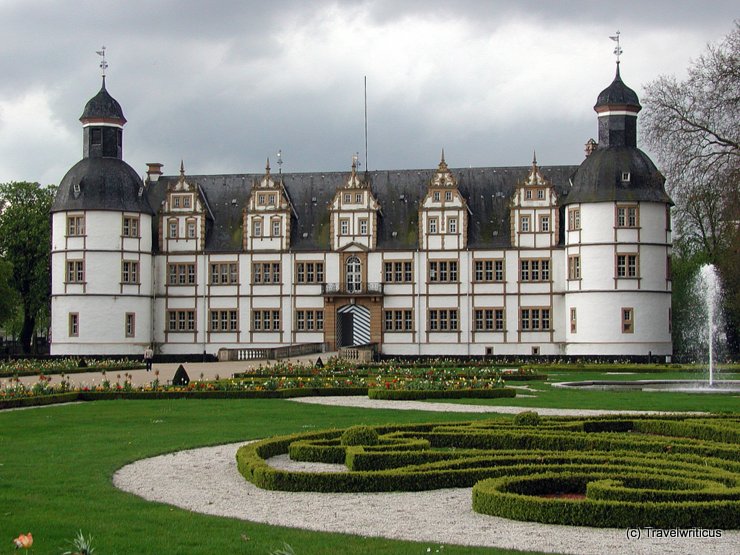
Schloss Neuhaus in Paderborn is a palace in the style of Weser Renaissance. The adjoined park formed the venue of a State Garden Show in 1994. As a result, visitors experience a relaxing walk on still splendid castle grounds.
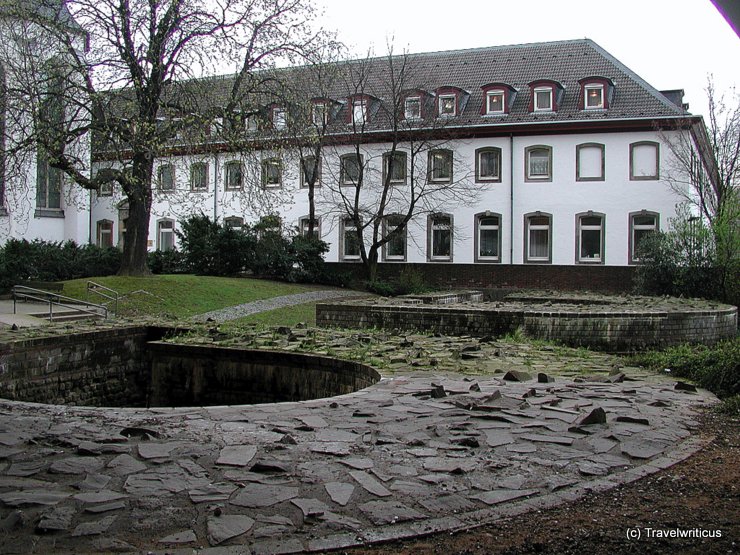
In Cologne (Köln), you can still find the remains of an ancient Roman fort. The name of the Köln-Deutz district originates from the name of the depicted fort called Divitia. During Roman times, these walls guarded an important Rhine bridge.
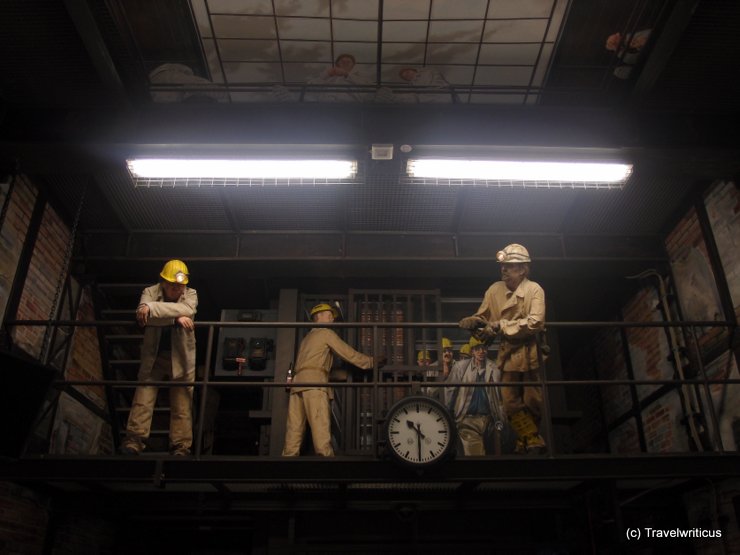
The Deutsche Bergbau-Museum (German Mining Museum) consists of a show mine and a collection of exhibits regarding mining. The photo above was taken at the elevator, bringing visitors down to the show mine.
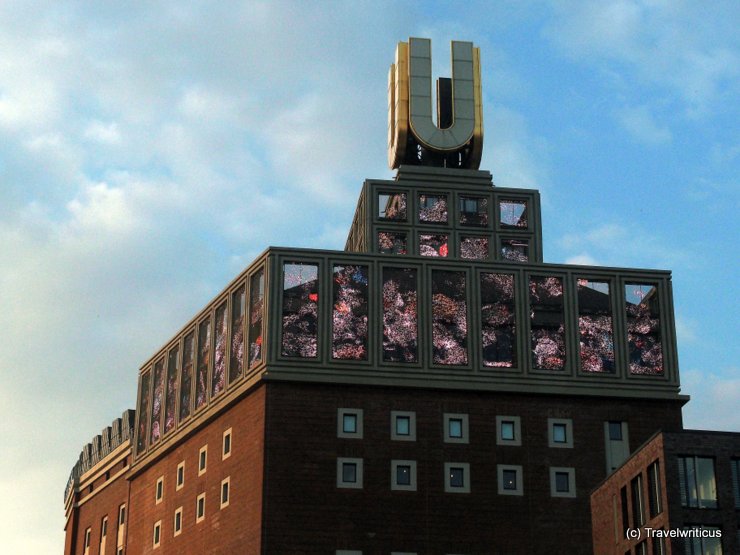
The landmark of Dortmund is the big U on top of a former brewery building. Today the building houses besides others the Museum Ostwall and some exhibition rooms. The elements looking like mosaics are actually movies shown high over the city.
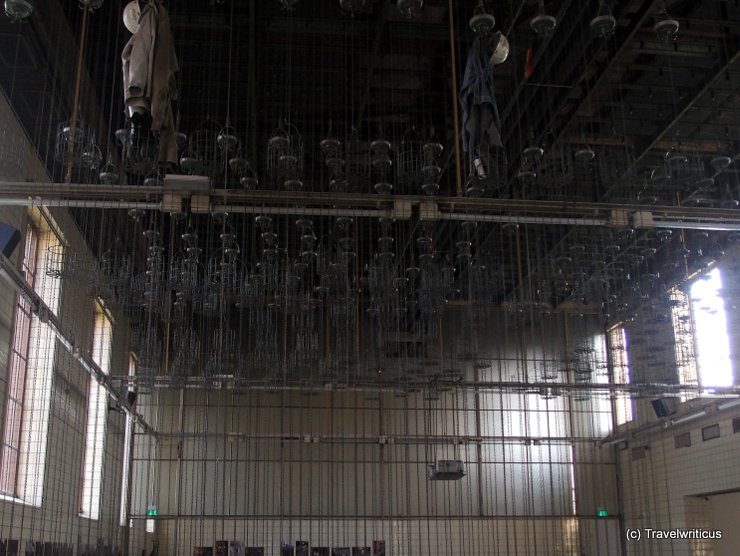
A detail I was especially impressed in. At the coking plant Hansa I saw a pithead bath. In this hall the workers put their clothes in special frameworks. Each framework is movable up and down by a chain.
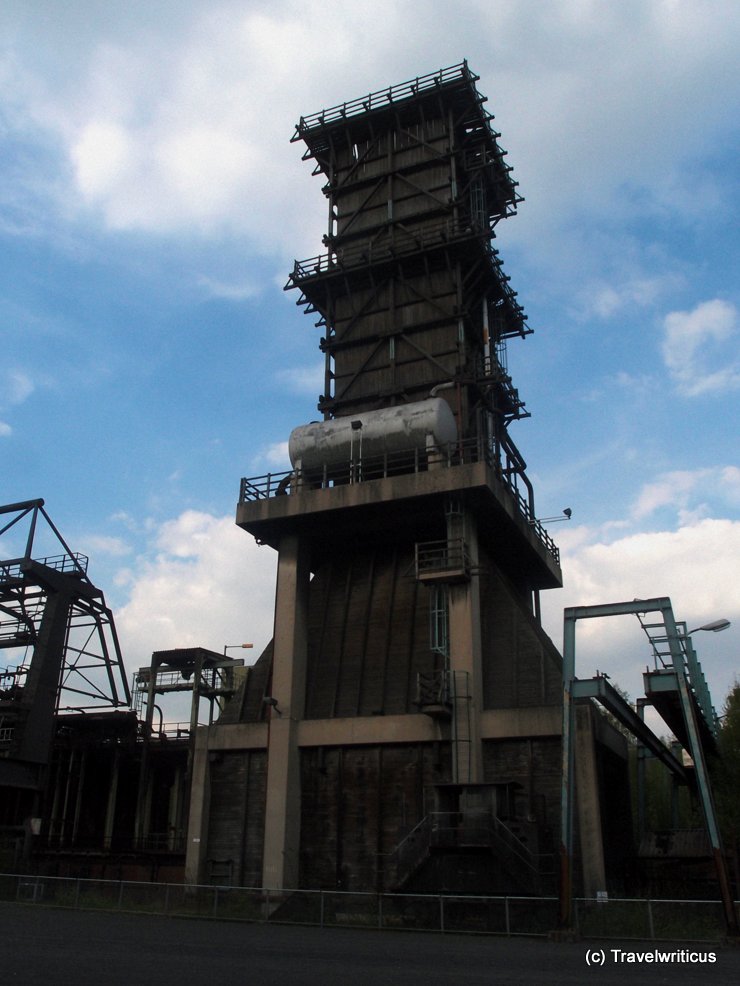
Kokerei Hansa is a former coking plant in Dortmund. Today the plant houses a huge climbing gym named Kletterhalle Bergwerk and the remaining installations can be visited by guided tours.
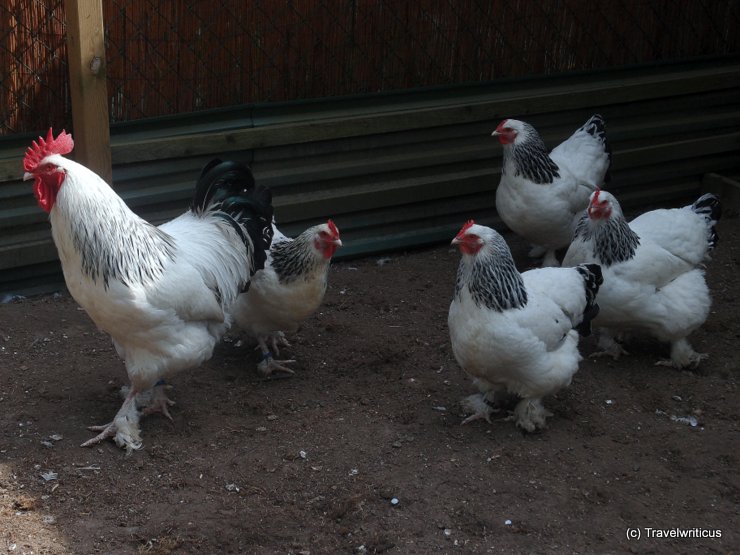
In earlier times German miners used to have a small garden for vegetable and animals behind their homes. While strolling around a mining settlement next to the colliery Zeche Zollern I came across this special breed of chickens. In German they are called Sundheimer.
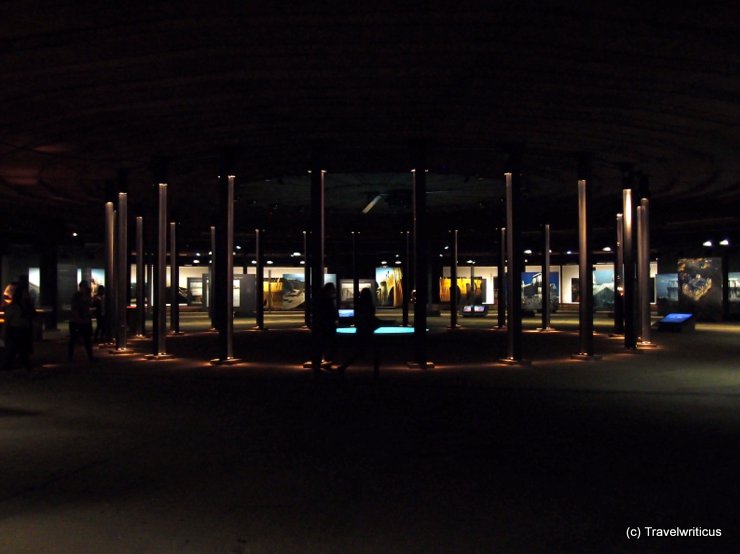
Every year another interesting art project takes place at the Gasometer (a former gas holder) in Oberhausen. In 2013 I visited the ‘Big Air Package’ created by Christo. This time the artist, who is generally known for wrapping huge things, produced a kind of balloon filling the inside of the gas holder.
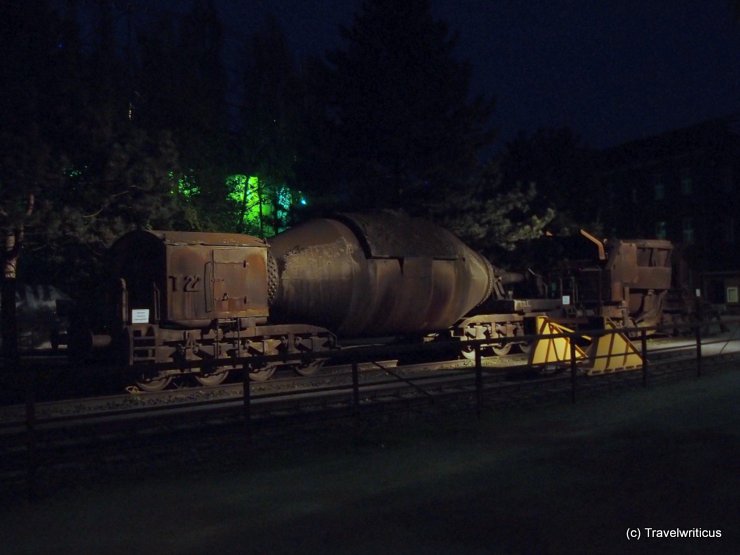
On my night stroll through the Landschaftspark Duisburg-Nord, an industrial heritage park in Ruhr area, I came across this torpedo car. These cars are used for hauling molten pig iron from the blast furnace to the next processing unit.