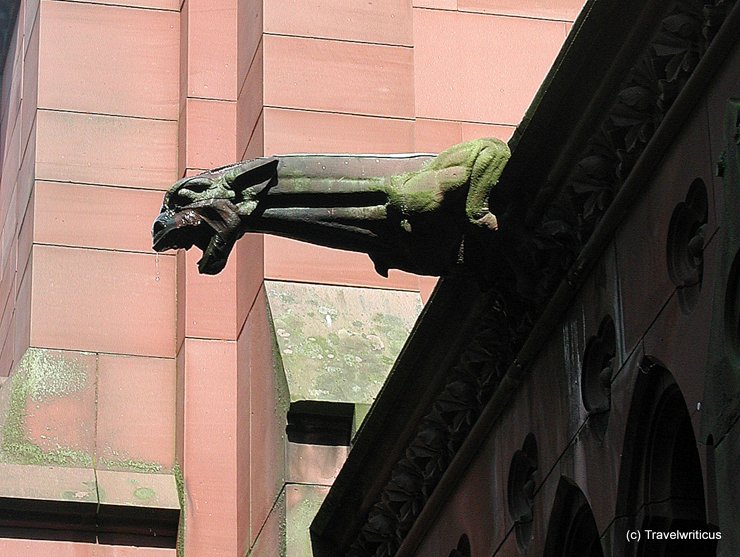
The Sepulchral Chapel (Großherzogliche Grabkapelle Karlsruhe) was commissioned by Grand Duke Friedrich I of Baden and his wife, Luise of Prussia. Five of seven Grand Dukes of Baden found their last rest in this chapel.
Browse through your travel destination!
The Sepulchral Chapel (Großherzogliche Grabkapelle Karlsruhe) was commissioned by Grand Duke Friedrich I of Baden and his wife, Luise of Prussia. Five of seven Grand Dukes of Baden found their last rest in this chapel.
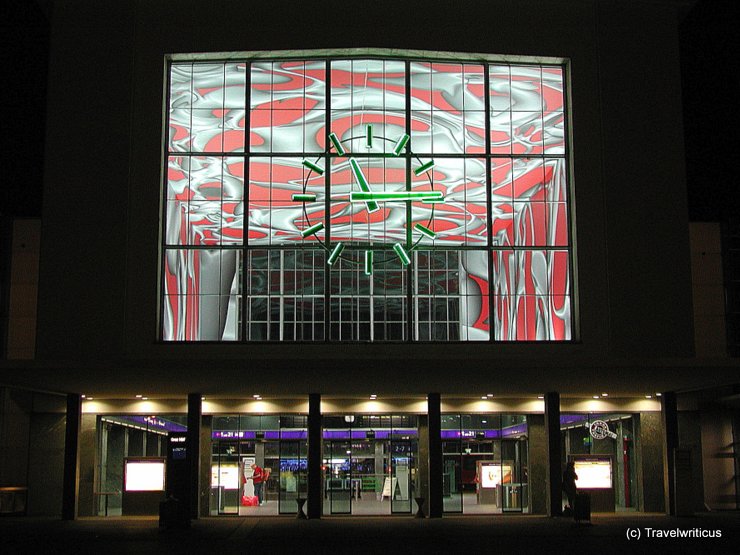
In 2003, the capital city of Styria got the title “European Capital of Culture”. In the same year, Graz Central Station saw a major renovation. Artist Peter Kogler was elected to decorate the entrance hall of the railway station.
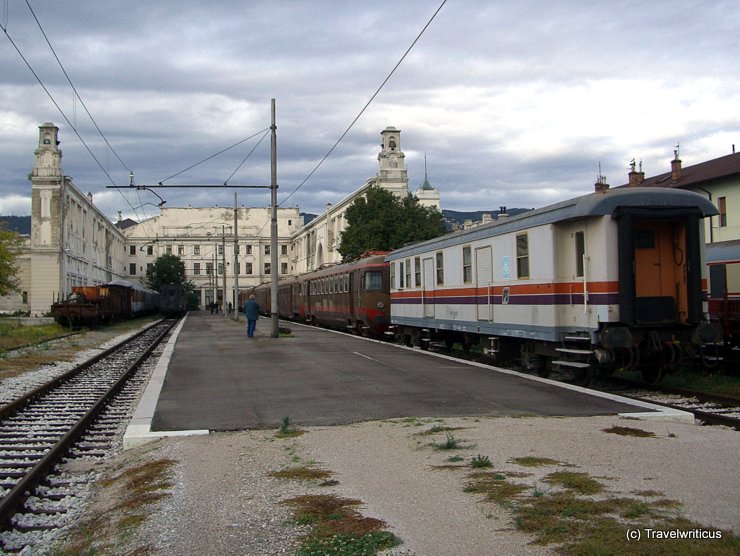
The railway museum in Trieste offers a charm of its own. The old locomotives and waggon stand inside the former station hall, which has lost its roof. That way, it is an open-air museum now.
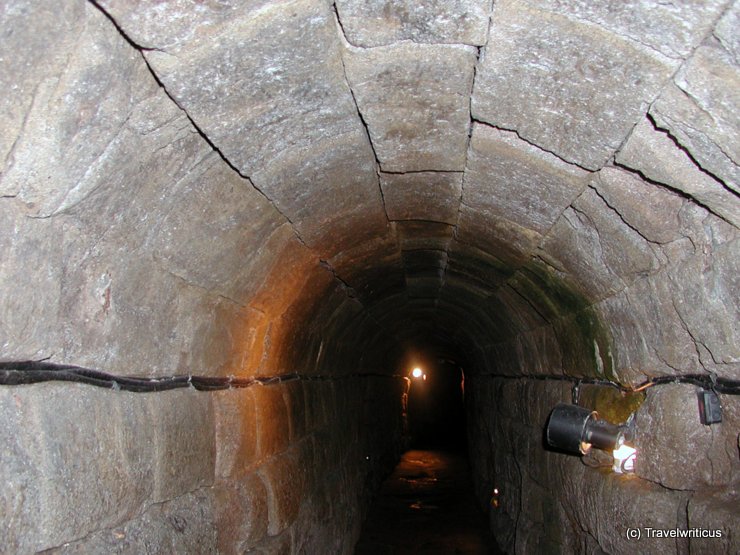
Below the Spanische Bau in Cologne, fans of Roman architecture find the remains of the ancient Roman Praetorium. Right next to these ruins, visitors have the chance to walk through a former Roman sewer below the streets of the modern city.
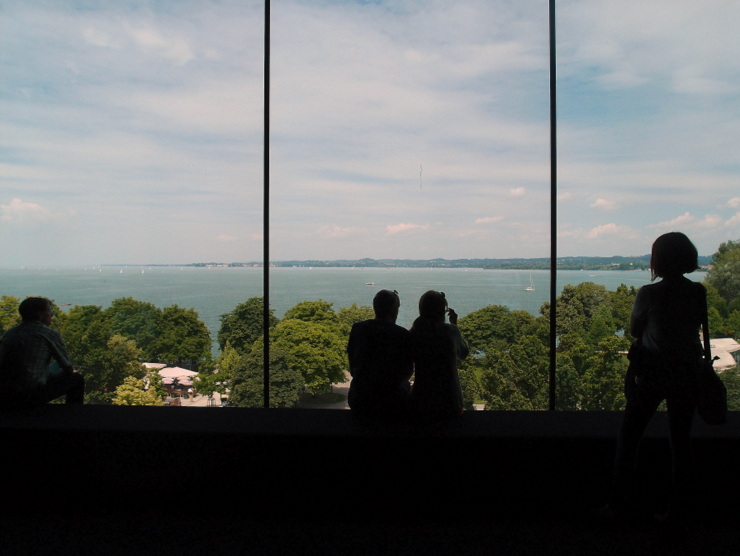
The Vorarlberg Museum in Bregenz offers a room with a great view of Lake Constance on its top floor. As its walls consist of noise-reducing material, you can enjoy the inspiring scenery in deep contemplation.
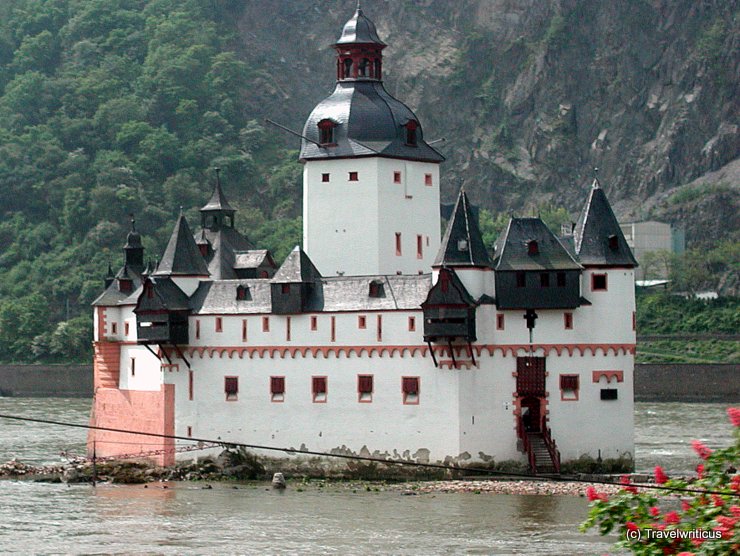
On a train journey along the Rhine Valley from Mainz to Koblenz, you experience this view of Pfalzgrafenstein Castle (Burg Pfalzgrafenstein). The building on a tiny island served as a toll station until 1866.
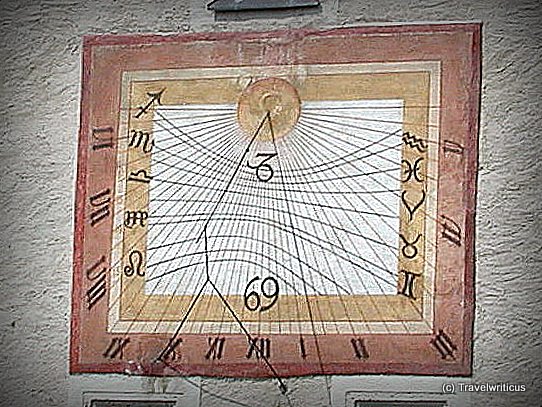
Sundial fans find this piece on an outer wall of St Mary’s Church in Maria Saal. The church is also known as Propstei- und Wallfahrtskirche Mariae Himmelfahrt or Maria Saaler Dom.
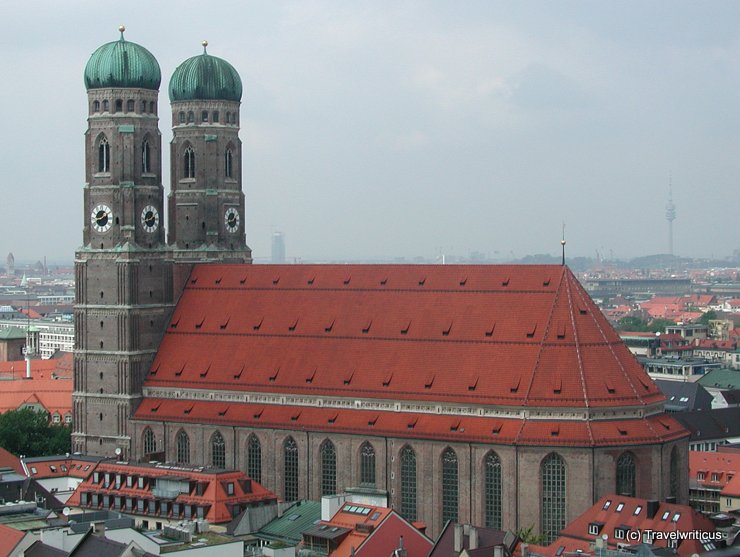
The Frauenkirche (Cathedral of Our Blessed Lady), also known as Münchner Dom, is the largest church in Munich, the capital of Bavaria. You’ll get this view after climbing up the tower of another church called St. Peter.
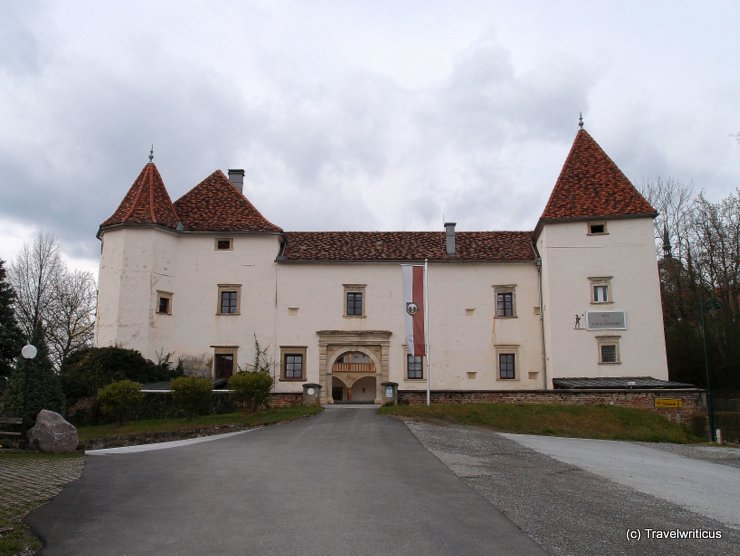
The name of the castle originates from the powerful Stubenberg family. Five members of this house occupied the office of governor (Landeshauptmann) in the Duchy of Styria.
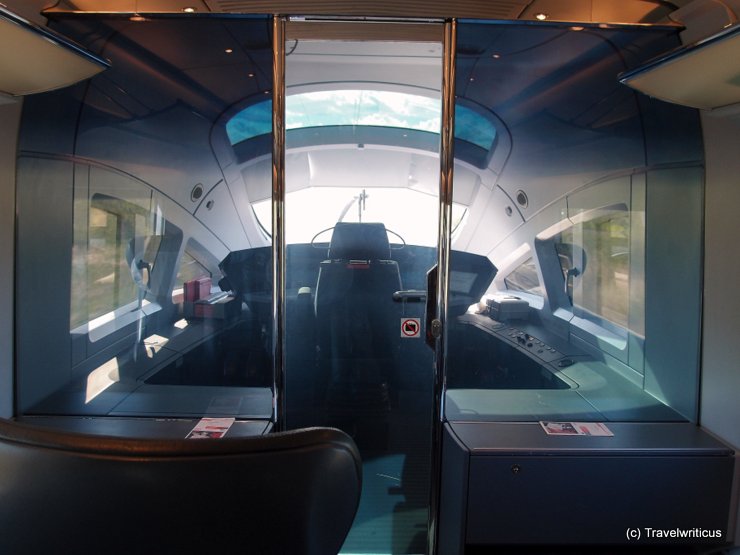
This photo shows a view into the driver’s cabin of a German ICE T. In this kind of train, you had the chance to sit behind the driver – only separated by a glass door – and to watch the landscape in front of the train for many years.
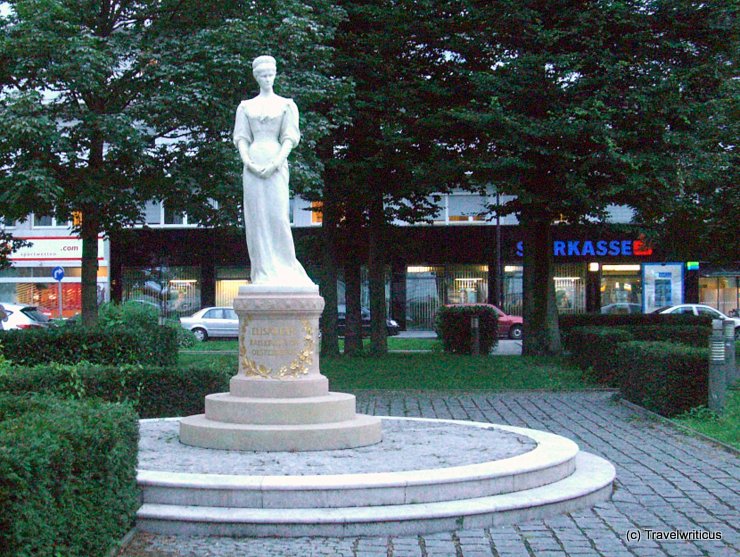
The Empress Elisabeth Railway (Kaiserin-Elisabeth-Bahn) served the railroad between Vienna and Salzburg until 1884. Today, you still see a monument to Elisabeth of Austria (Sisi) in a small park at the Salzburg Central Station.
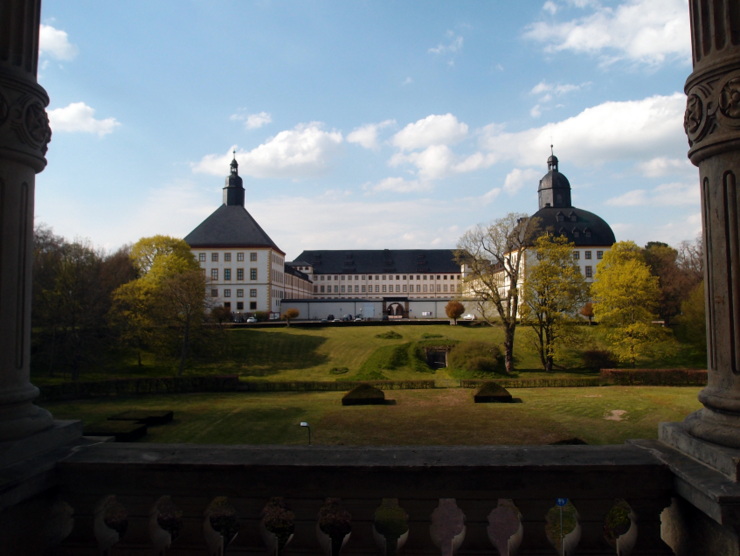
Friedenstein Castle (Schloss Friedenstein) was commissioned in the mid-17th century by Ernest I, Duke of Saxe-Gotha. It is notable for hosting the Ekhof-Theater, which still features the original Baroque machinery for changing the scenery.