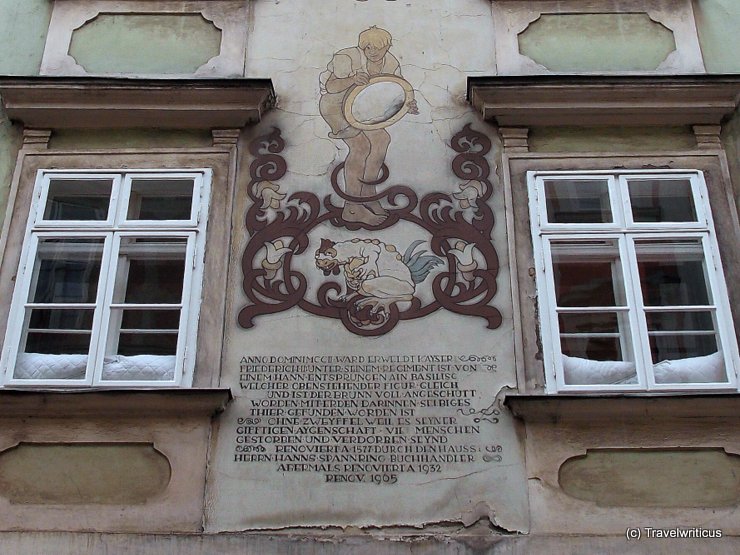
You’ll find the Basiliskenhaus at the address Schönlaterngasse 7. The mural at this house shows a myth about a basilisk living in the local well. A servant of a baker defeated this dangerous creature by mirroring its face.
Browse through your travel destination!
You’ll find the Basiliskenhaus at the address Schönlaterngasse 7. The mural at this house shows a myth about a basilisk living in the local well. A servant of a baker defeated this dangerous creature by mirroring its face.
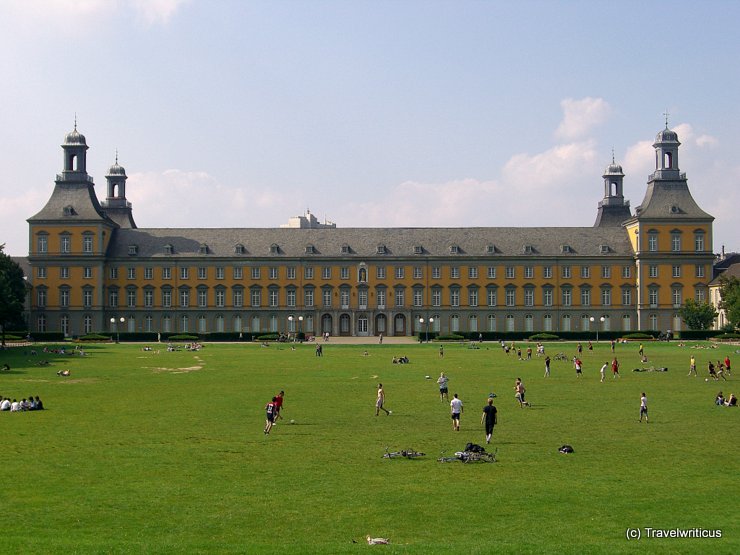
The Electoral Palace (Kurfürstliches Schloss) in Bonn was the former residential palace of the Prince-Electors of Cologne. Where the Prince-Electory used to walk in a beautiful garden, young people play football these days.
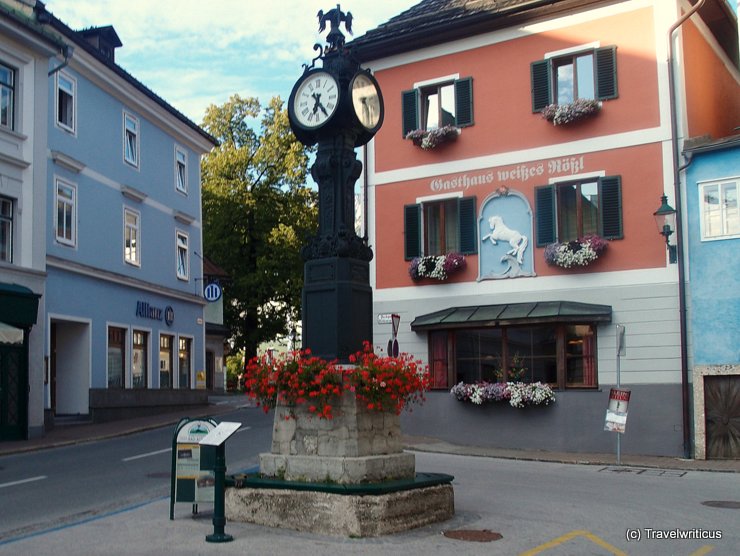
The Lössl-Uhr (Lössl-Clock) is a technical gem in Bad Aussee. The public clock designed by Friedrich von Lössl was originally powered by changes in atmospheric pressure and temperature.
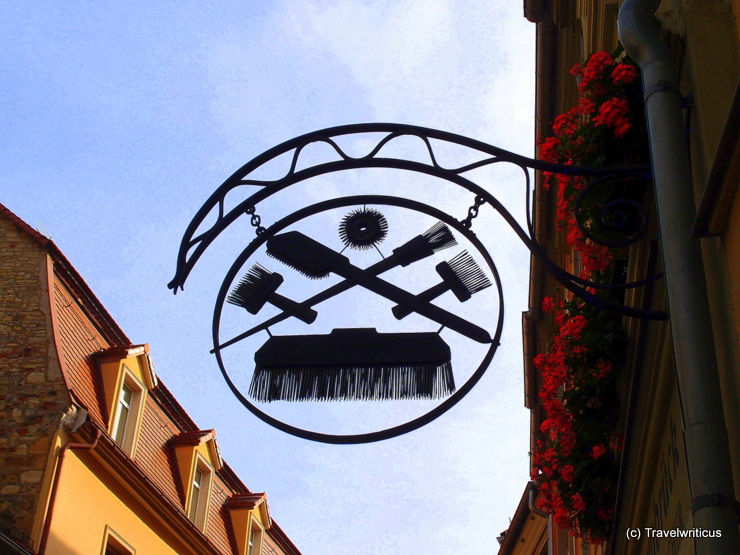
This shop sign at the Bürstenmacherei Steinbrück in Naumburg (Saale) shows the main products of a German Bürstenbinder (brush-maker). Inside the shop, you learn details about the tradition of brush-making.
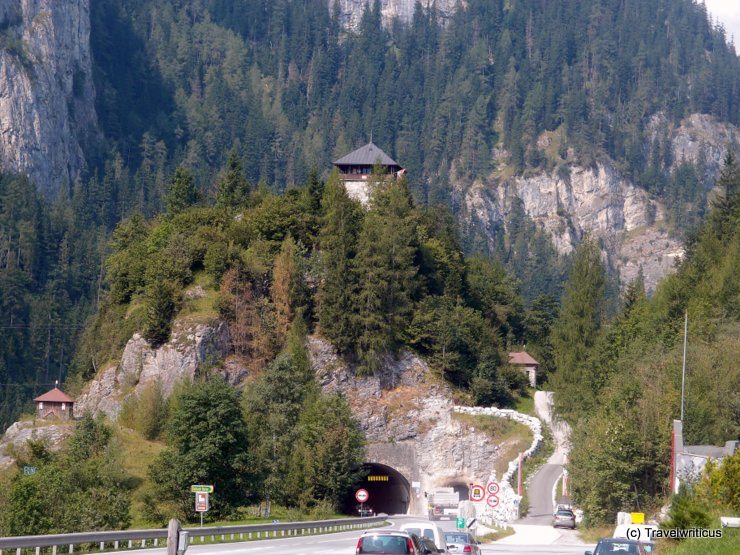
Klammstein Castle (Burg Klammstein) seems to block the Gastein Valley (Gasteinertal) in the north. In earlier times, it formed a toll station. Today, it accommodates a museum about the castle’s history and the valley.
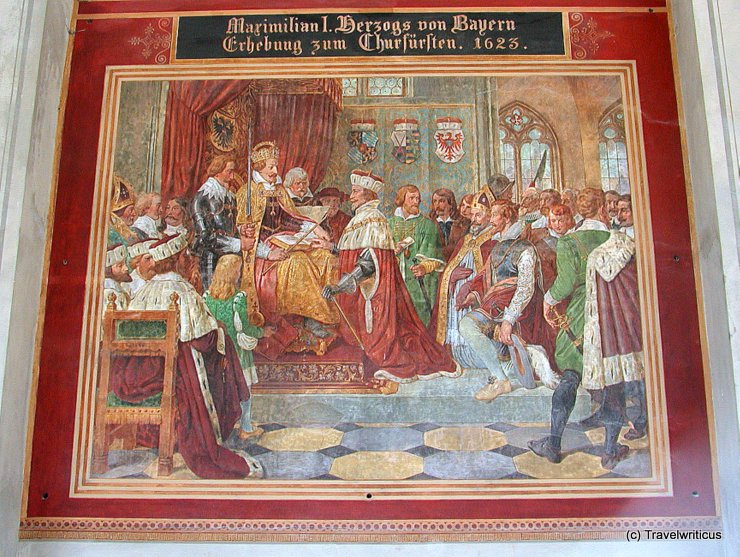
This mural is an example of several wall paintings you see in the arcades of the Munich Court Garden (Münchner Hofgarten). The paintings display episodes in the history of the House of Wittelsbach. They are protected against weather by the arcades only.
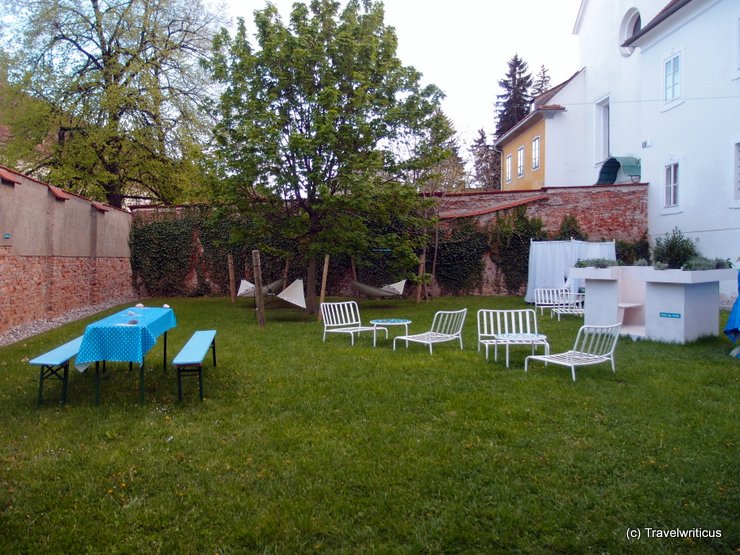
Now that I call a cosy museum. The photo shows the garden of the Folk Life Museum in Graz. Yes, there are hammocks below the trees! The museum tells about social and cultural changes up to the present.
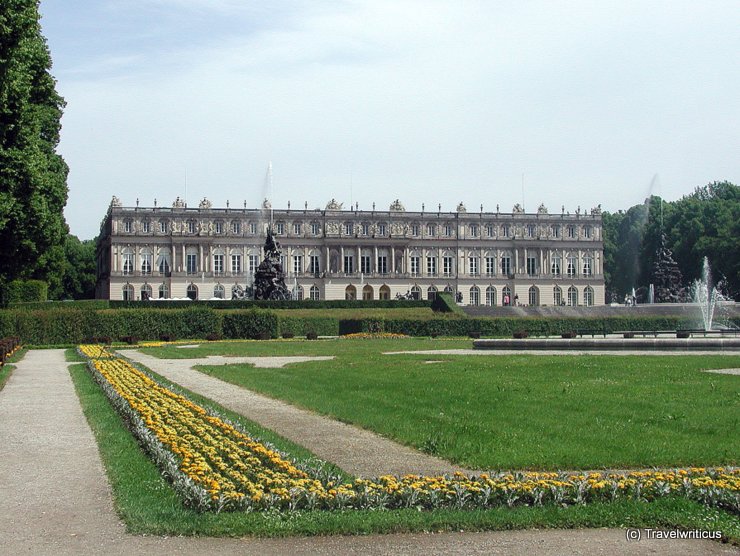
Castle buffs will find Herrenchiemsee Palace (Schloss Herrenchiemsee) on an island in a Bavarian lake named Chiemsee. The palace, commissioned by King Ludwig II, is also known as the New Palace (Neues Schloss) or Herrenworth Palace (Schloss Herrenwörth).
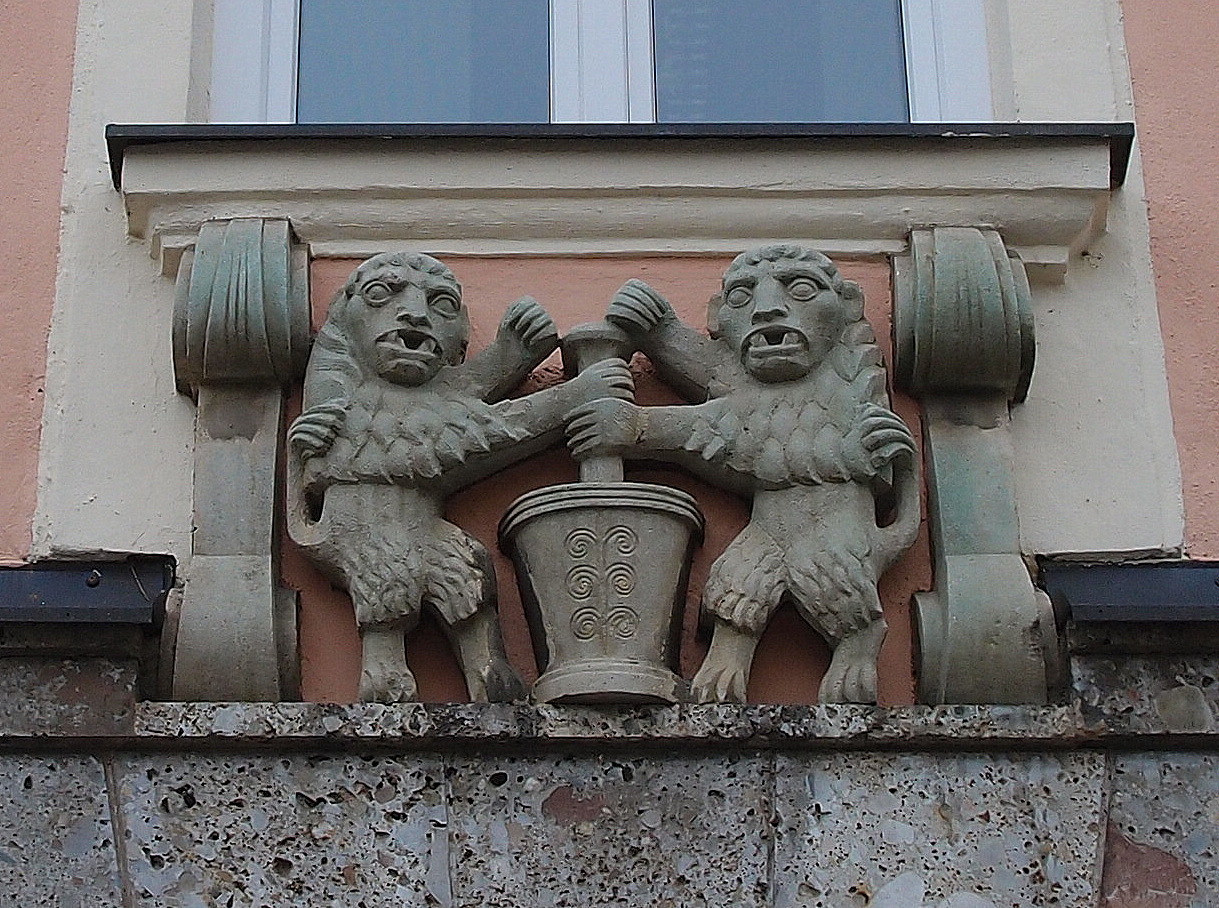
This house sign was created by two Italian migrant workers and renewed in 1957 by Alfred Kala. You can see it at the town pharmacy in Knittelfeld. I love the combination of lions with a mortar and pestle.
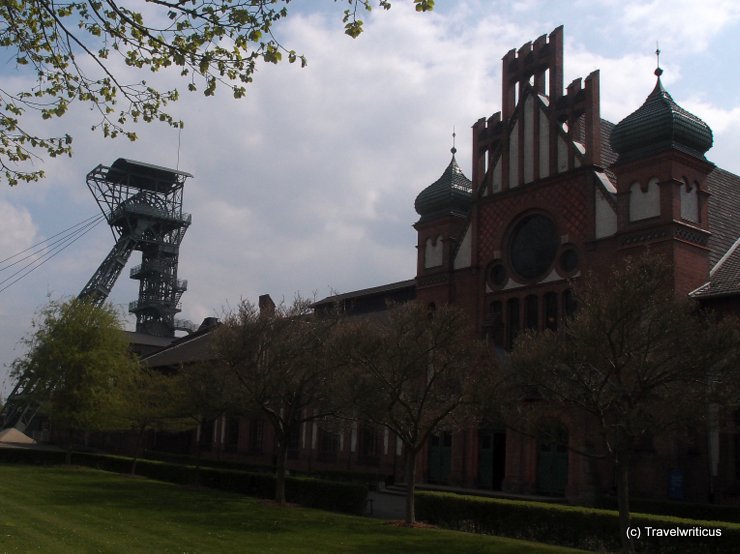
The Lohnhalle is an intriguing building at the colliery Zeche Zollern in Dortmund. It looks like a station hall with several cashier’s desks inside. The miners were paid their wages in this hall.
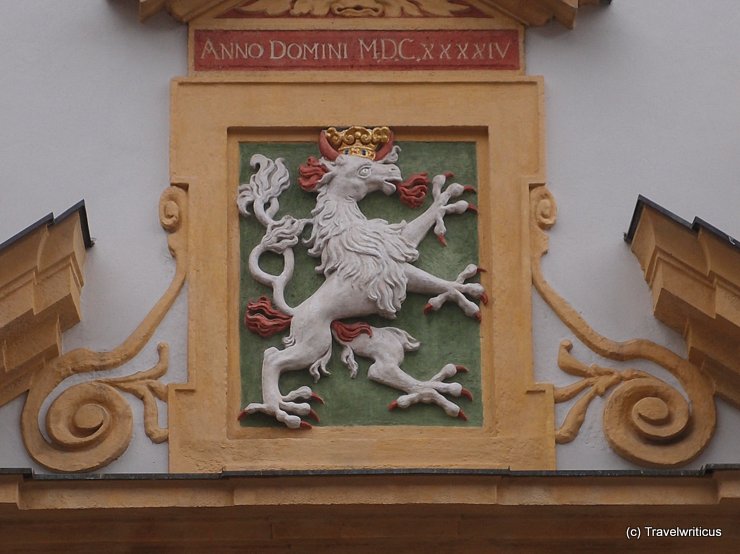
The coat of arms above the gate of the Styrian Armory raises questions. It looks like a Styrian Panther mixed with the detail of a Graz Panther. The red horns make it Styrian. The crown, on the other hand, makes it look like a Graz coat of arms.
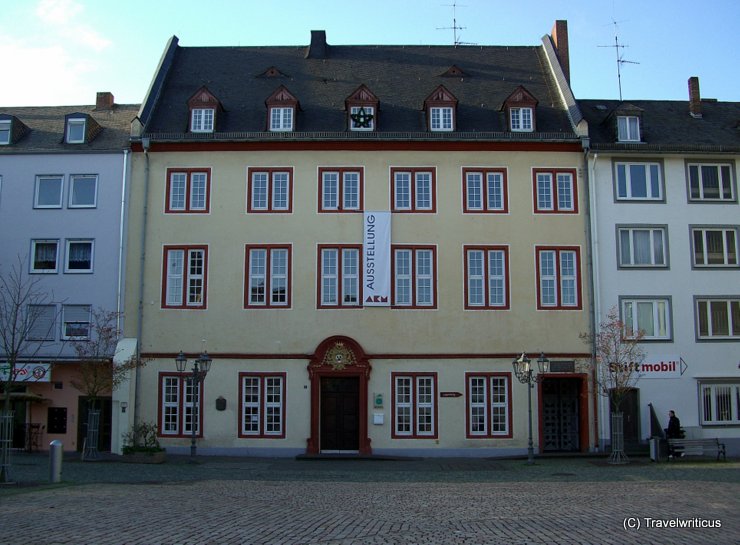
Statesman Klemens von Metternich was born on 15 May 1773 in Coblenz (Koblenz). His birthplace is generally known as Haus Metternich or Metternicher Hof. The building was built in 1674 and burned down in 1944. The reconstruction took place in 1976.