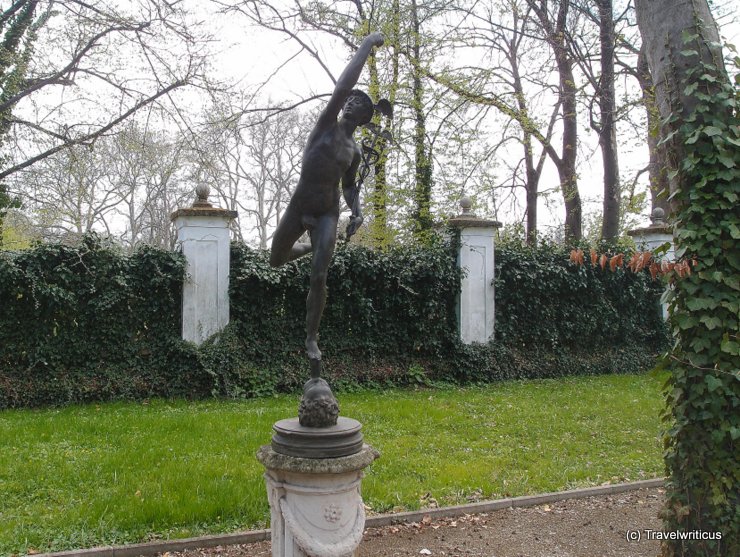
This statue of God Mercury stands in the Planetary Garden of Eggenberg Castle (Schloss Eggenberg) in Graz. The garden represents the planets with different plants and sculptures.
Browse through your travel destination!
This statue of God Mercury stands in the Planetary Garden of Eggenberg Castle (Schloss Eggenberg) in Graz. The garden represents the planets with different plants and sculptures.
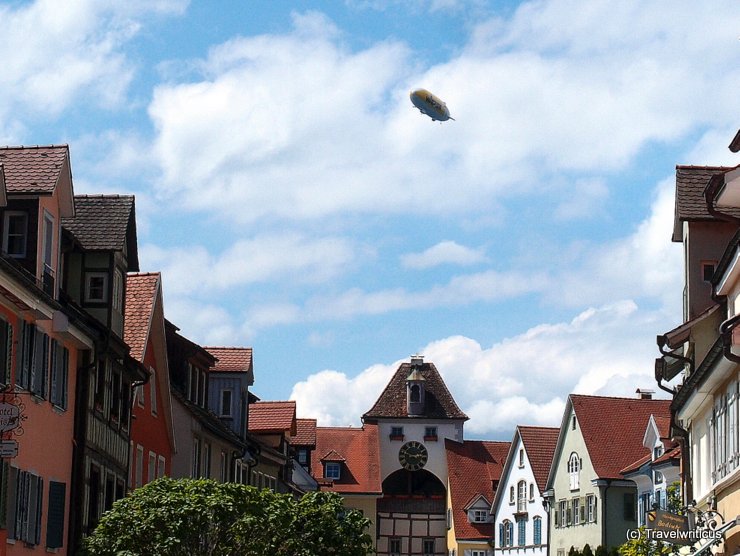
Sometimes, you see a modern airship high over the region of Lake Constance. For example, this pic shows such a piece about Meersburg. The reason is simple. Several nearby companies offer sightseeing flights over Lake Constance.
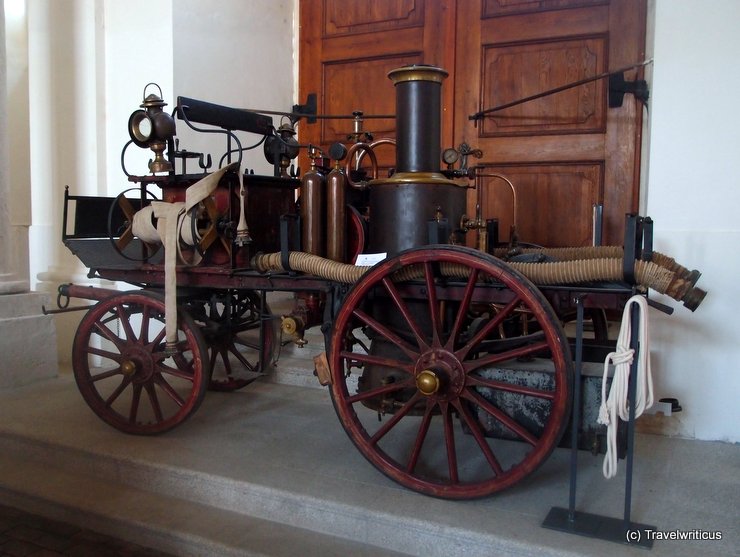
At Stift Geras (Geras Abbey), I saw an exhibition about local fire brigades. One exhibit was this steam-powered fire pump dating back to 1911. The pump served in the fire brigade of the Austrian city of Horn.
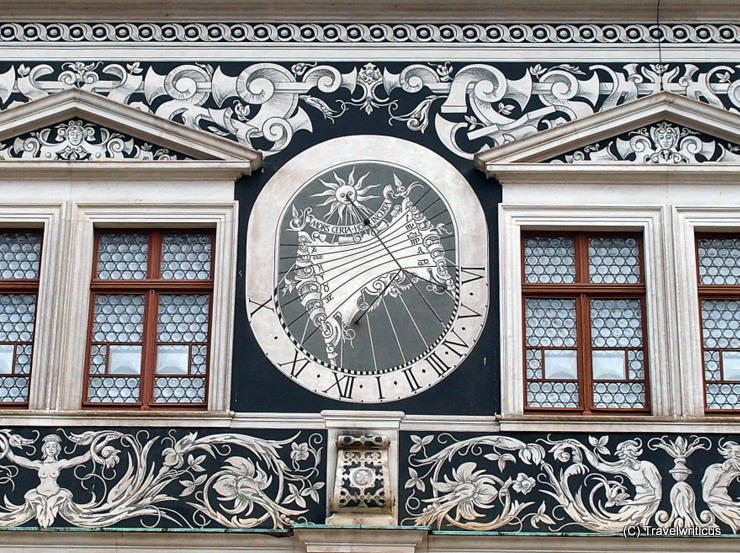
You find this sundial on a building along the Stallhof in Dresden. The Stallhof is a court of the Dresden Castle (Dresdner Residenzschloss). It formed a venue for tournaments in earlier times.
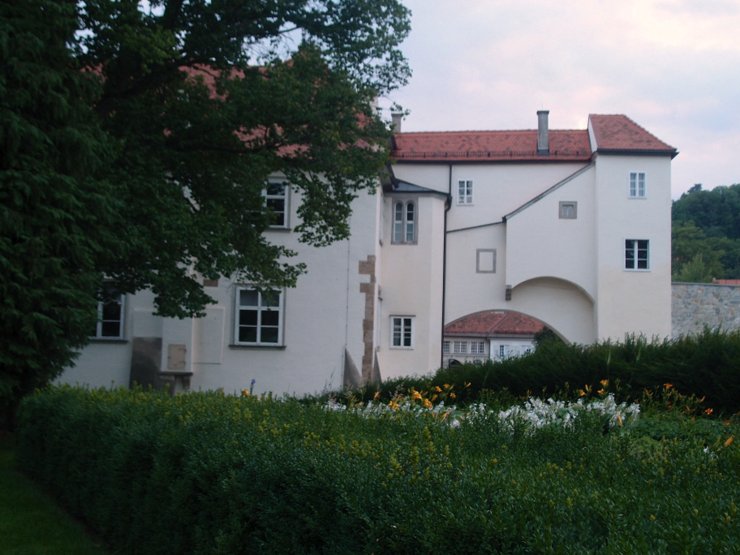
The construction of Graz Castle (Grazer Burg) started in 1438 by Duke Friedrich V. The pic was taken from the Burggarten, a hidden park just outside the old walls of Graz. The castle offers several intriguing elements, e.g. engravings showing the motto A.E.I.O.U.
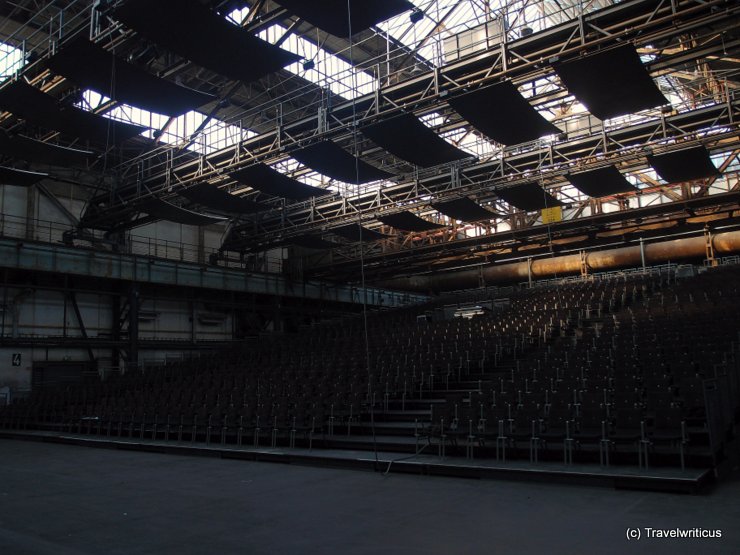
The Ruhrtriennale is an annual music and arts festival in the Ruhr area of Germany. You find its venues in industrial heritage sites like the Jahrhunderthalle in Bochum (Picture), the Zeche Zollverein, and the Landschaftspark Duisburg-Nord.
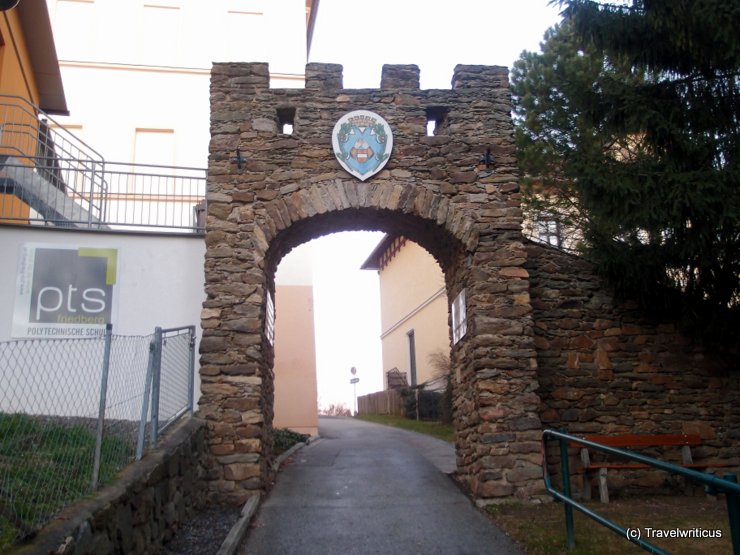
The walls of Friedberg were built with money from the ransom for Richard I of England (Richard the Lionheart). The gate depicted above is a reconstruction. It is known as Ungartor.
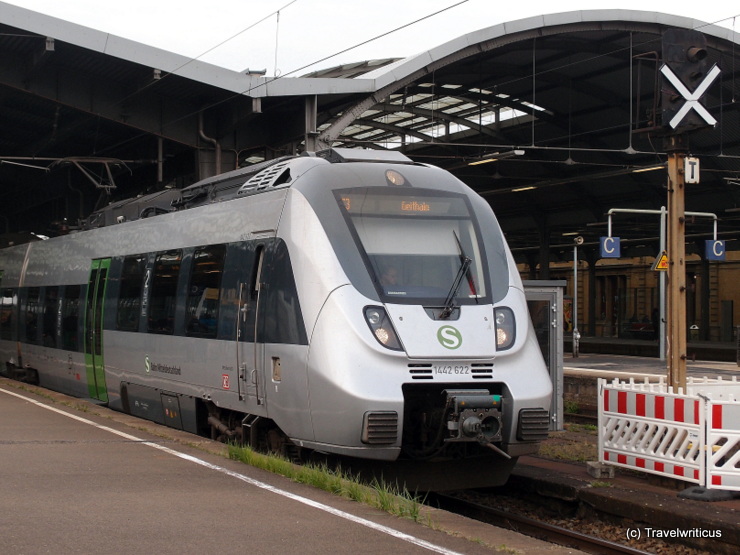
The Talent 2 is a multiple-unit railcar manufactured by Bombardier Transportation. The first trains have been operating since 2008. Its particular cab design led to the German nickname Hamsterbacke (hamster cheek). The depicted train runs for the S-Bahn Mitteldeutschland.
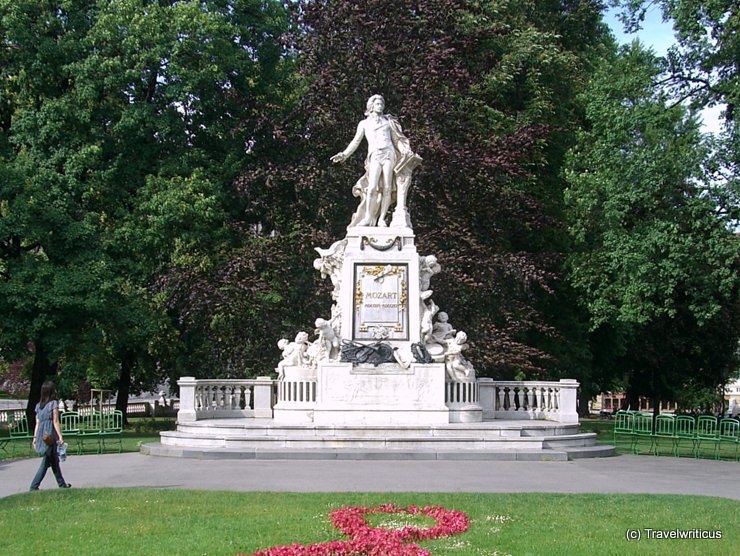
This monument to Wolfgang Amadeus Mozart stands in the Burggarten in Vienna. The Burggarten is a public park at the rear of the New Hofburg (Neue Hofburg). The monument, made of Laas marble, was created by Viktor Oskar Tilgner.
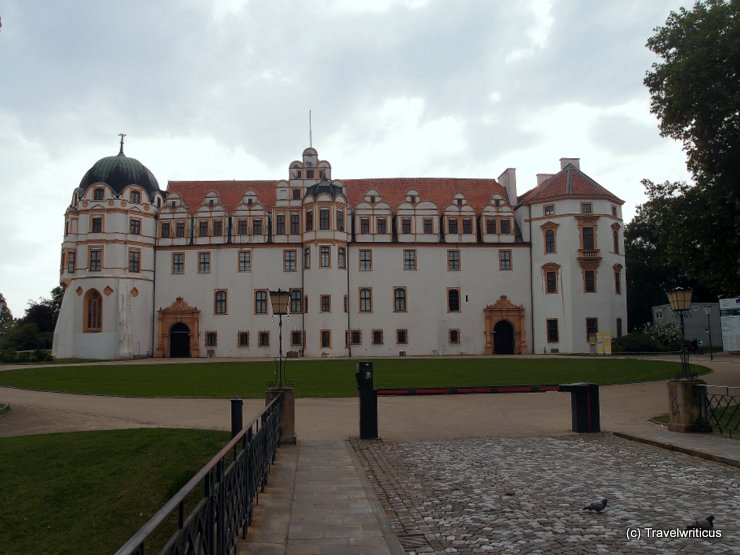
Schloss Celle in Lower Saxony blends Renaissance and Baroque styles, evolving from a 13th-century fortress into a Brunswick-Lüneburg residence. Visitors can explore the Residenzmuseum, chapel, and theatre, reflecting over 700 years of cultural history.
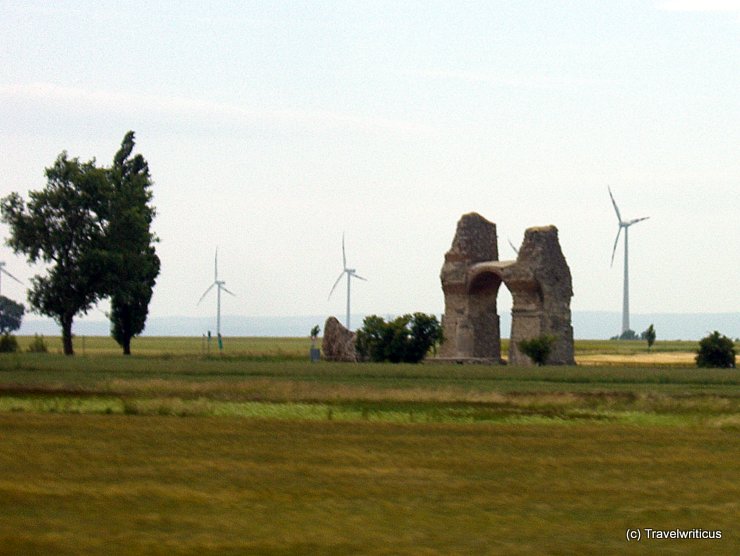
On a train journey from Vienna to Carntuntum-Petronell, travellers have this photo of an ancient Roman monument. The structure is part of the archaeology park Carnuntum. Local people call this monument Heidentor (Pagans’ Gate).
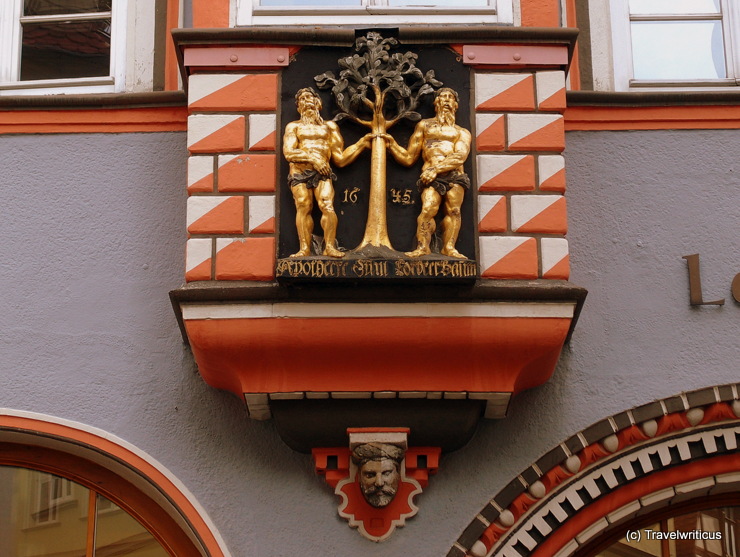
This relief displaying a laurel tree and two men is fixed at a 16th-century building with the address Herrenstraße 2 in Naumburg (Saale). The building houses a pharmacy named Lorbeerbaum Apotheke (Laurel Tree Pharmacy).