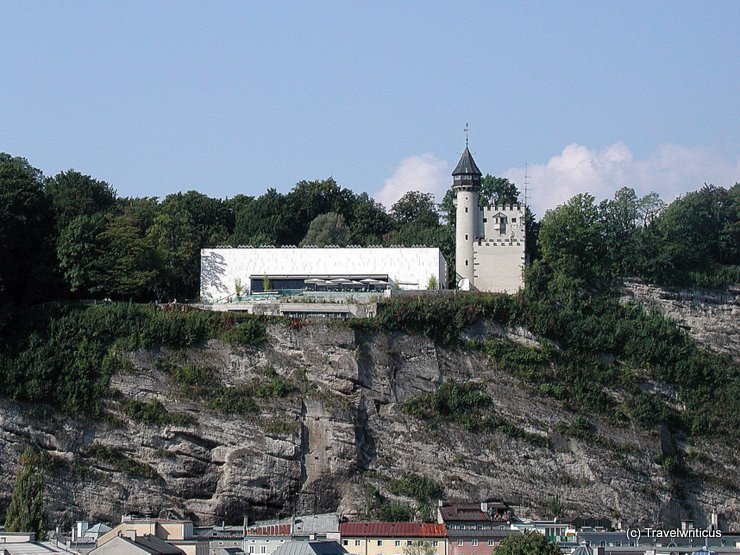
While walking through Salzburg, I took this photo of the Museum der Moderne (Museum of Contemporary Art) high over the city on top of the Mönchsberg. The castle-like building next to the museum is a water tower.
Browse through your travel destination!
While walking through Salzburg, I took this photo of the Museum der Moderne (Museum of Contemporary Art) high over the city on top of the Mönchsberg. The castle-like building next to the museum is a water tower.
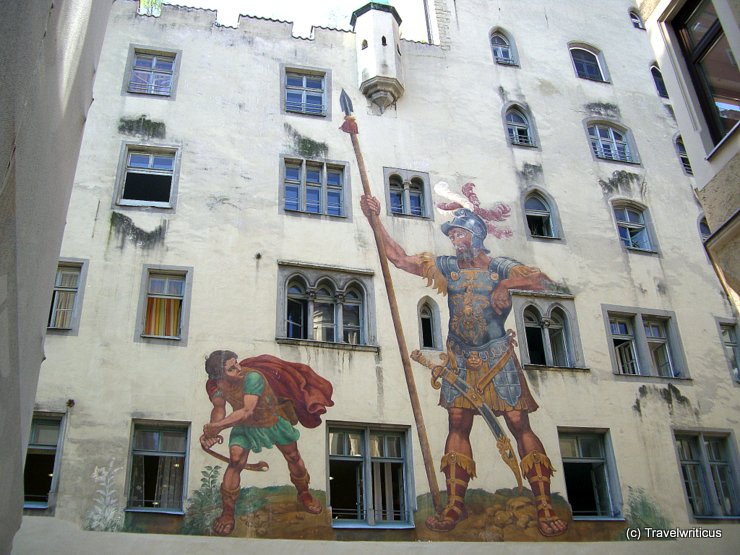
The painting on the Goliath House (Goliathhaus) in Regensburg illustrates the legend of David and Goliath. The mural was created by Melchior Bocksberger in the year 1573.
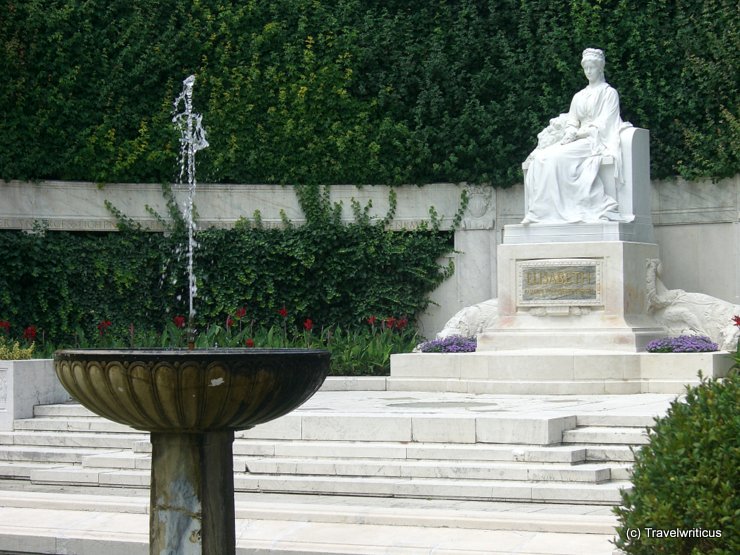
This monument to Empress Elisabeth “Sisi” of Austria stands in the Volksgarten in the 1st district of Vienna. Friedrich Ohmann designed the monument. Hans Bitterlich created the statue.
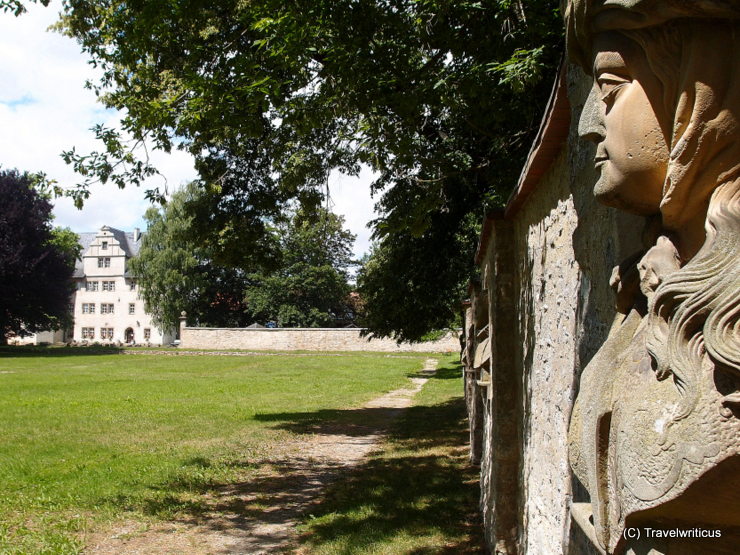
Cycling the Ilm Valley Cycle Path you may visit the Kromsdorf Renaissance Palace. Visiting the castle grounds you will be awarded with 64 stone busts decorating the garden wall. There meaning is still disputed.
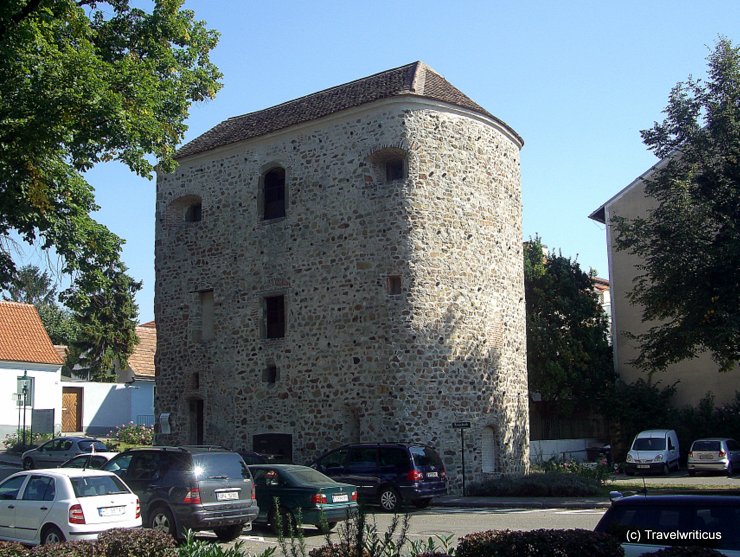
The Horseshoe Tower (Hufeisenturm) in Tulln remains from the ancient military camp Comagena. The Roman name originated from an equestrian unit descending from the region of Commagena.
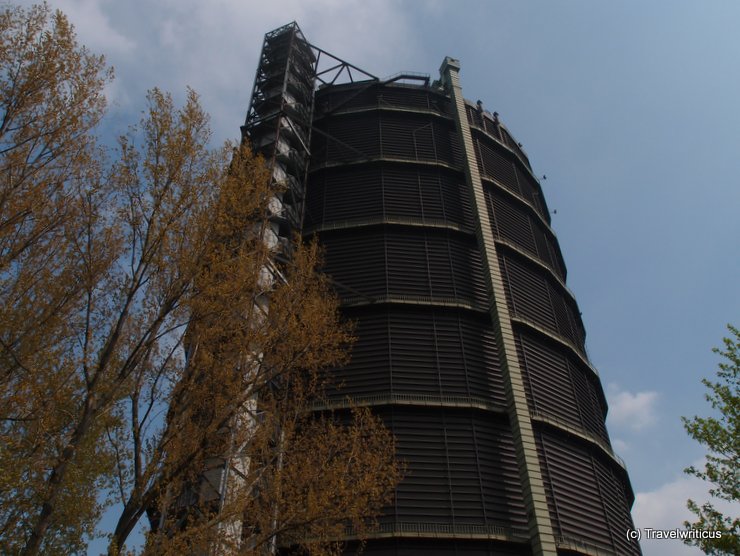
The Gasometer in Oberhausen is the largest disc-type gasholder in Europe. Today, it serves as an exhibition hall. Visitors enjoy an excellent view after reaching the top by an elevator or a staircase outside the building.
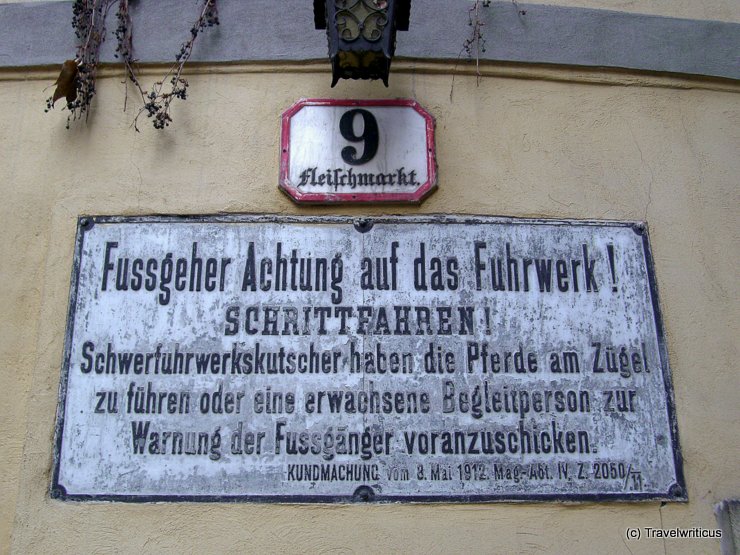
On my walk through Vienna, I came across this sign dating back to 1912. It asks horsemen of heavy horse-drawn wagons to walk next to the horses or to send an accompanying person ahead to warn the pedestrians.
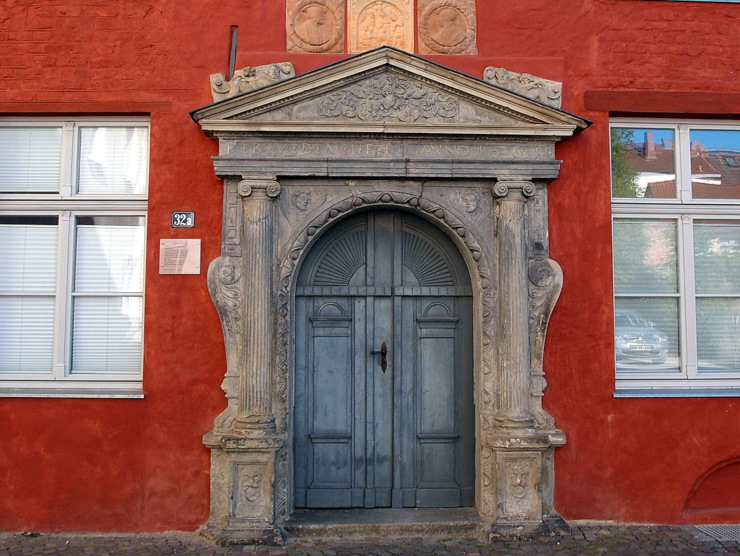
This Renaissance portal, dating back to 1568, can be found at Jacobiturmstraße 32 in the German World Heritage Site of Stralsund. The three terracotta panels are considered to have been created by sculptor Statius von Düren.
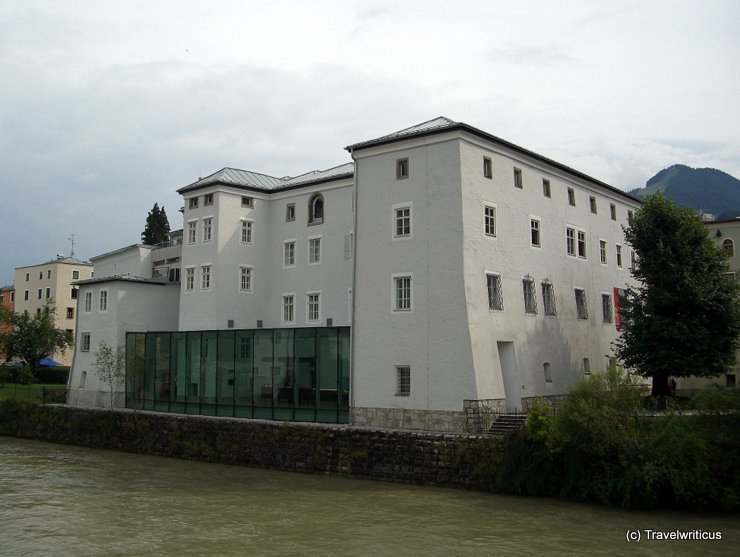
The Museum of Celts (Keltenmuseum) in Hallein describes the Celtic history in the area of the Austrian state of Salzburg. Another part of the museum tells the story of the salt mines in the region of Salzburg.
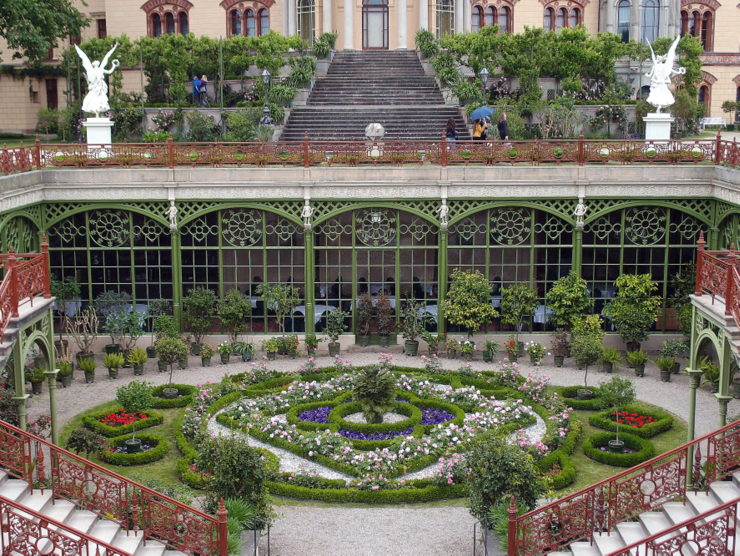
The Orangery of Schwerin Castle (Schloss Schwerin) dates back to 1853. During the German Democratic Republic, the building housed a Polytechnic Museum for a few years. Today, during the warm seasons, visitors to the Orangerie Café enjoy cakes and coffee.
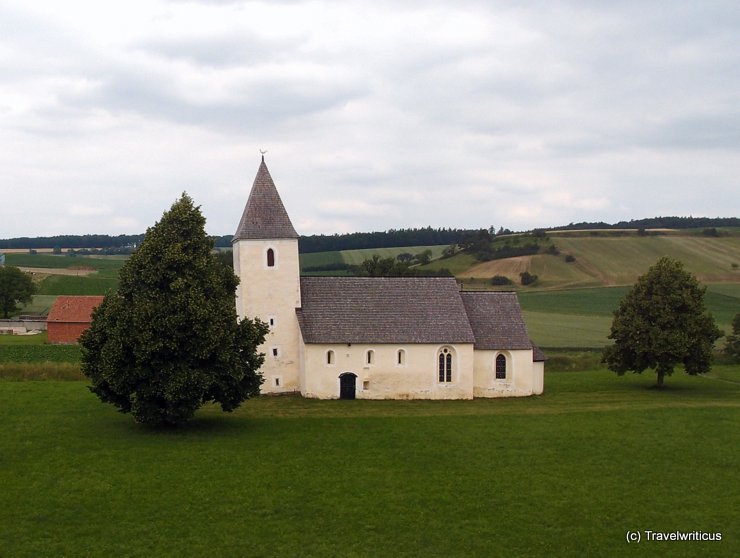
St. Martin is a Roman Catholic church in the Lanzendorf district of Böheimkirchen. First documented in 1248, the church has preserved its Romanesque architecture, standing prominently in an open field visible to travellers on the historic Westbahn railroad.
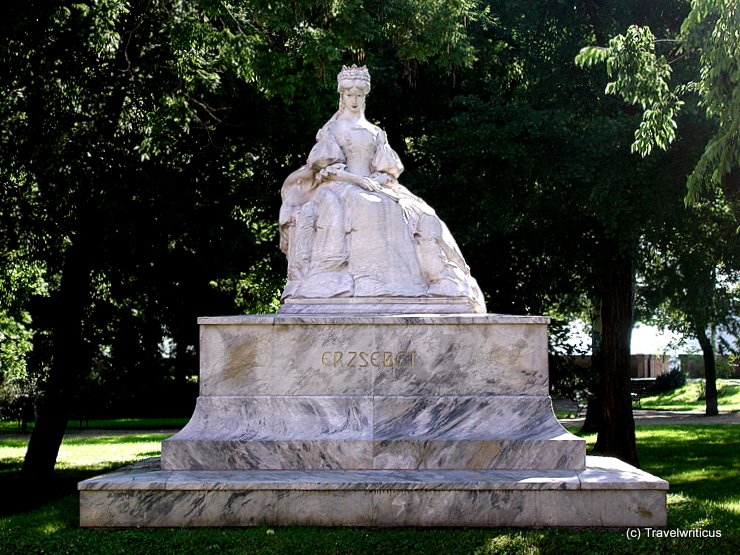
On a walk through Szeged, you may come across this monument to Elisabeth of Austria, who was also Queen of Hungary. Her Hungarian name is Erzsébet, but many people of the 21st century know her by Sisi or Sissi.