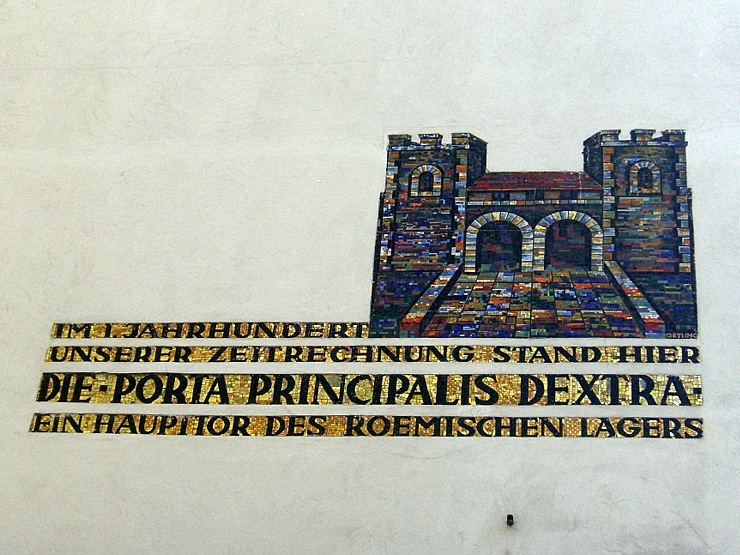
This mosaic on a building in Vienna reminds pedestrians of an ancient gate (porta principalis dextra) that stood here in the 1st century. It was part of the Roman fort Vindobona, the nucleus of modern Vienna.
Browse through your travel destination!
This mosaic on a building in Vienna reminds pedestrians of an ancient gate (porta principalis dextra) that stood here in the 1st century. It was part of the Roman fort Vindobona, the nucleus of modern Vienna.
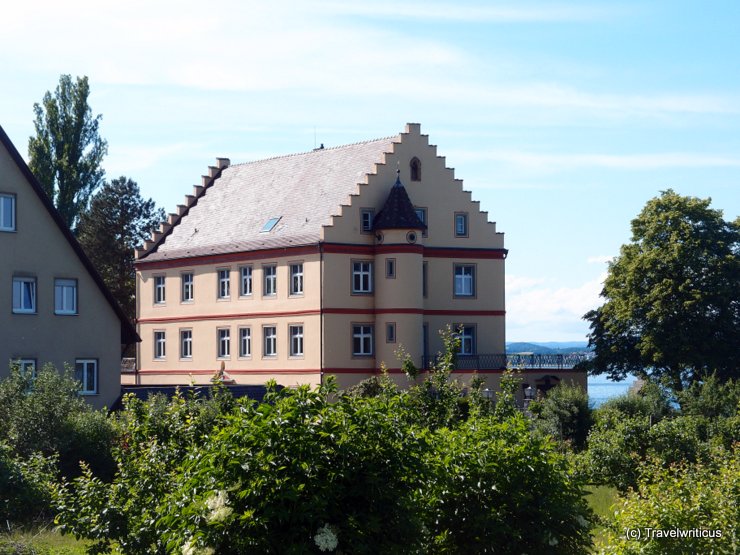
Windegg Mansion (Schloss Windegg), also known as the ‘Bürgle‘, was founded in the 14th century as a guesthouse for a nearby abbey. There is a rumour that Pope Martin V stayed here for some time after his election in 1417 at the Council of Constance.
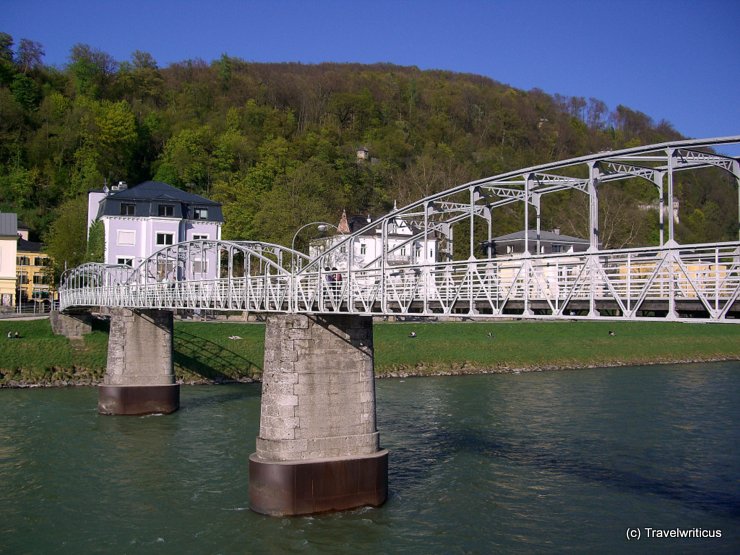
The Mozartsteg in Salzburg is a footbridge named after Wolfgang Amadeus Mozart. It saw its construction in 1903 as a toll bridge. The toll booth still exists and houses a small shop now.
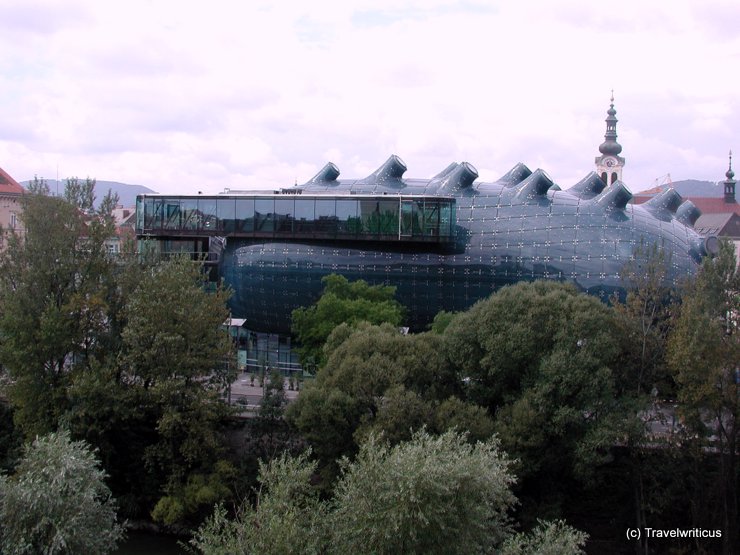
The Kunsthaus, dating back to 2003, shows exhibitions of contemporary art. Because of its architecture, it is generally known as the “Friendly Alien”. The form of an irregular bubble offers the possibility to enjoy bulky sculptures in an appropriate space.
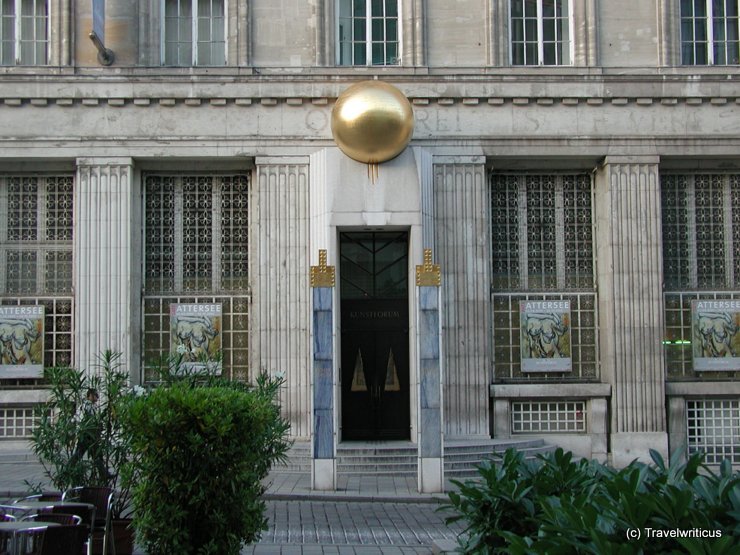
The Bank Austria Kunstforum Wien forms an exhibition hall for art in the rooms of a former bank building. Even the erstwhile vault now works as a venue for presenting artworks. Today, the Kunstforum is known for performing yearly blockbuster exhibitions.
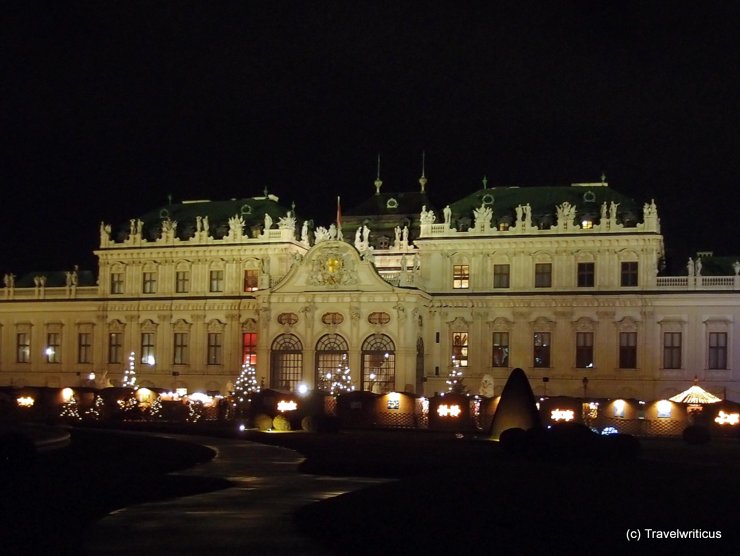
The Weihnachtsdorf Schloss Belvedere is situated at the southern side of Schloss Belvedere (Belvedere Palace). Besides the great setting it offers stars located on the pond in front of it.
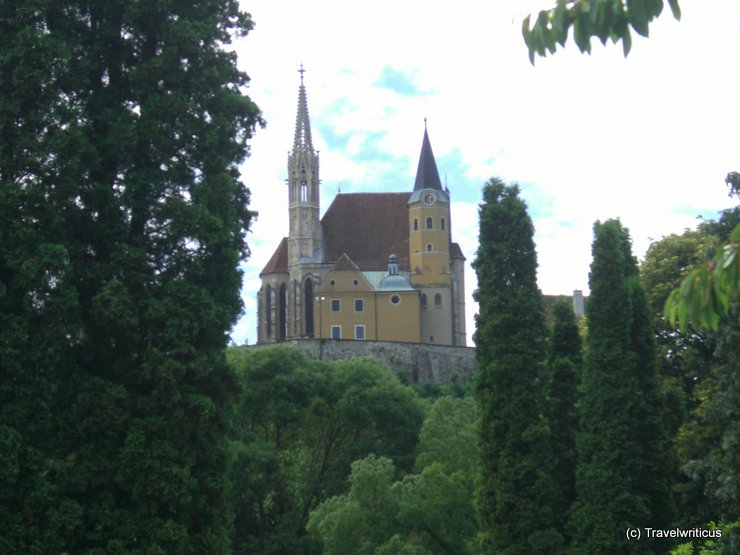
The pilgrimage church Maria Straßengel stands in Judendorf-Straßengel, a site in the Austrian municipality of Gratwein-Straßengel. A famous exhibit in this church is a fir root in the shape of a crucifix. Visitors can see this piece on request only.
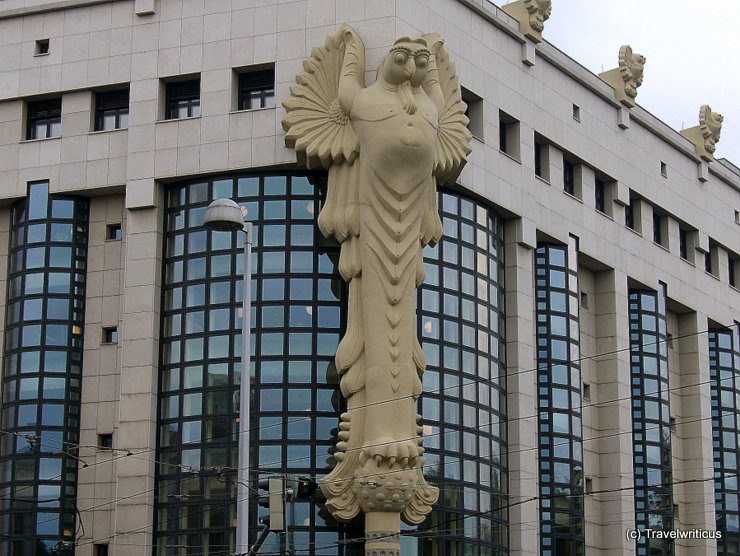
In this post, I’d like to show you several attractions in Vienna off the beaten track. Let’s start with this sculpture. The owl is a decoration created by the Swiss artist and architect Bruno Weber. We find it on the wall of the Vienna University of Technology Library.
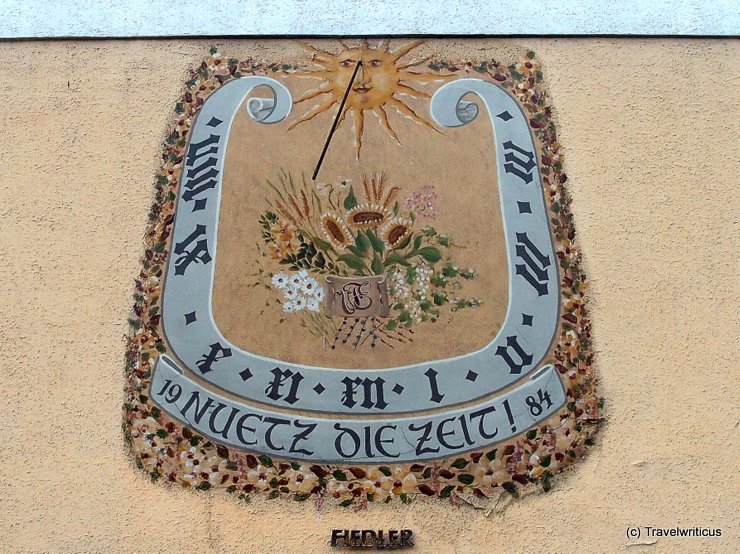
After leaving the railway station Mistelbach/Stadt I came across one of my first sundials in Austria. The piece placed on a private home in Lower Austria shows local agricultural products like corn and grapes. The German phrase ‘’Nuetz die Zeit!’ reminds people to use their time carefully.
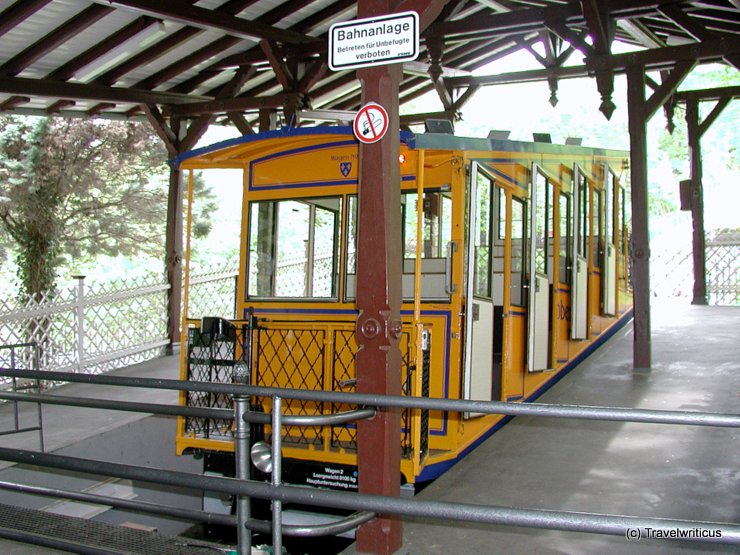
The Nerobergbahn saw its construction in 1888 as a funicular railway driven by water counterbalancing. The cars still operate with this technology. The funicular connects the Nerotal Valley with the Neroberg Hill, a lookout high over Wiesbaden.
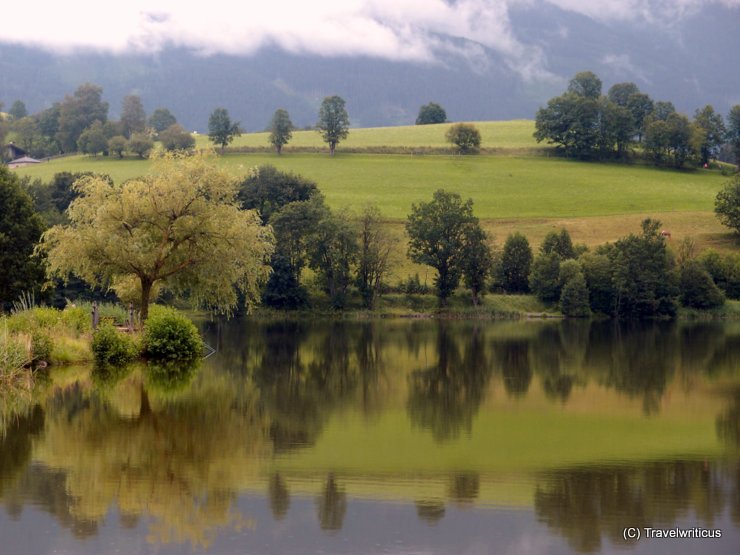
Near the worth-seeing museum of local history at Ritzen Castle (Schloss Ritzen), you find the Ritzensee. It is an artificial lake built in a moory landscape. That way, the lake appears in a unique dark colour.
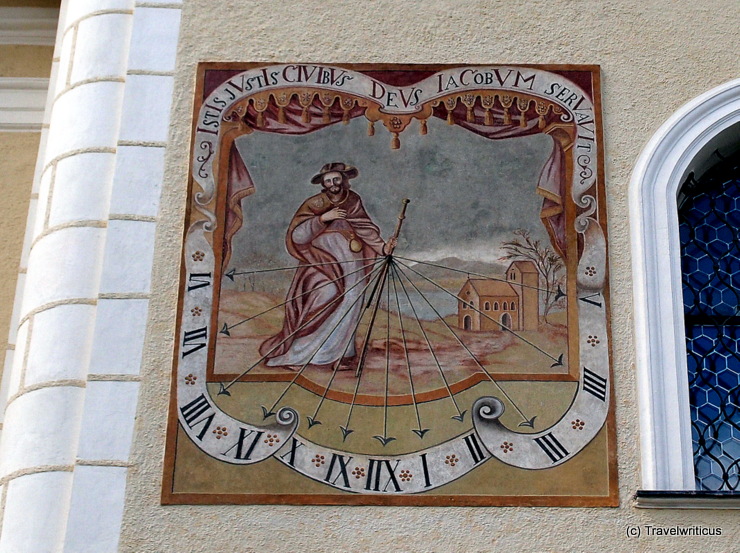
This sundial, located at the parish church of Tamsweg depicts James, son of Zebedee (Jakobus der Ältere) who is the patron of this church. Tamsweg is the largest town of the Lungau region in the Austrian state of Salzburg.