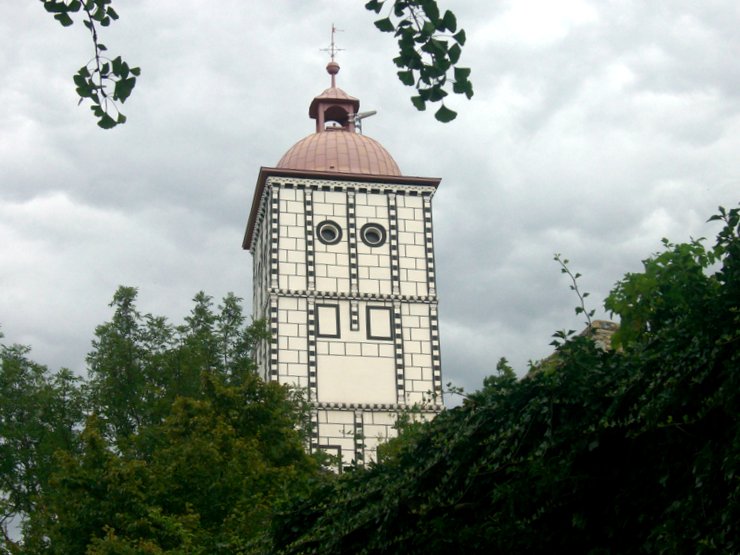
While approaching Schallaburg Castle on foot, you first see this tower. It gives an impression of the beauty of this Renaissance palace in the Austrian state of Lower Austria (Niederösterreich). Today, the castle is known for remarkable exhibitions.
Browse through your travel destination!
While approaching Schallaburg Castle on foot, you first see this tower. It gives an impression of the beauty of this Renaissance palace in the Austrian state of Lower Austria (Niederösterreich). Today, the castle is known for remarkable exhibitions.
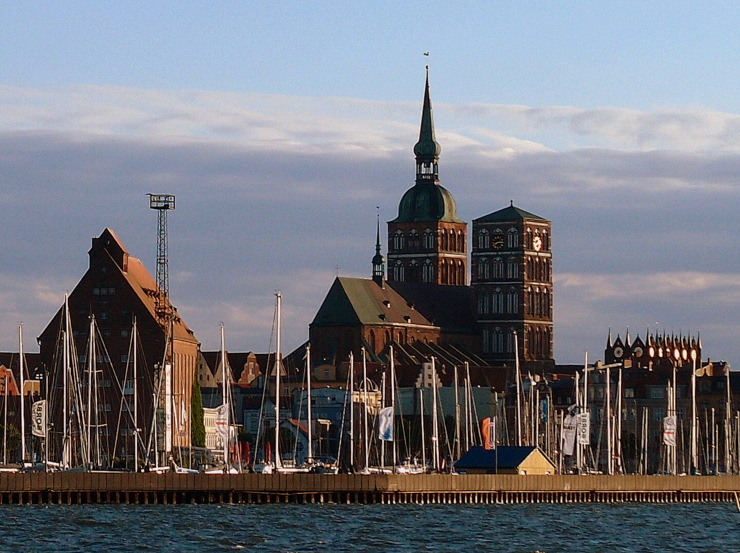
St. Nicholas Church (Nikolaikirche) in Stralsund is known for its different roofs on its towers. Only the southern tower is covered with a Baroque roof; the other tower has a nearly flat one. Another worth-seeing attraction is the astronomical clock inside.
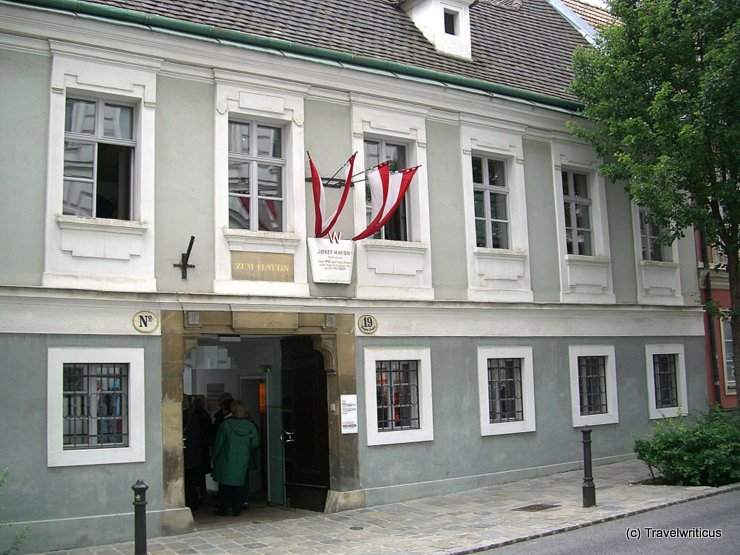
The Haydnhaus in Vienna is where the Austrian composer Joseph Haydn spent his last years. The museum inside explains how Haydn lived in this period and shows several pieces of his former household. A reconstructed garden completes the offer.
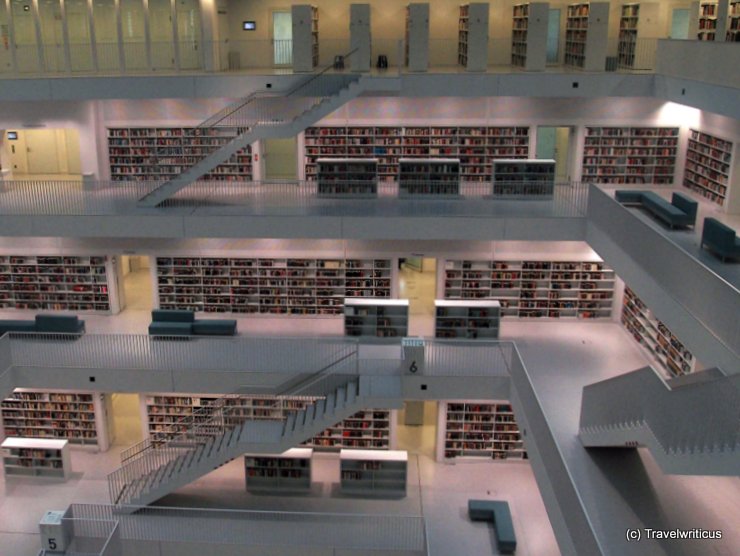
The current municipal library (Stadtbibliothek) of Stuttgart was opened in 2011. Lovers of endless bookshelves find this remarkable interior, designed by Korean architect Eun Young Yi, at the Mailänder Platz.
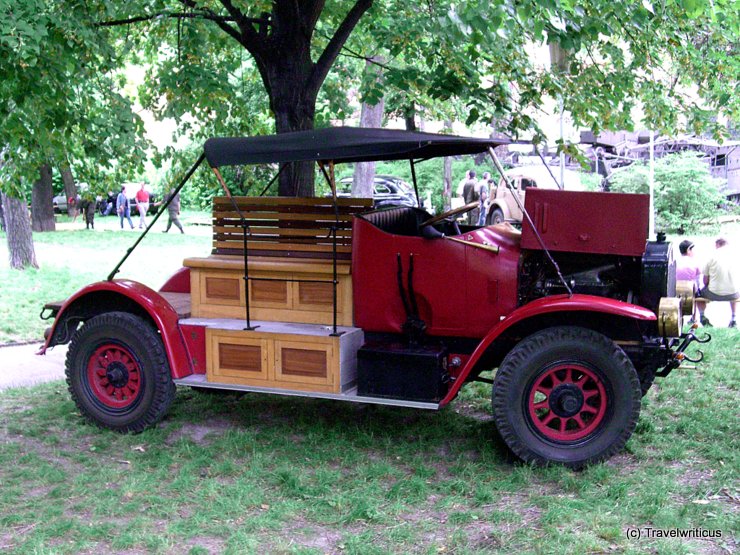
This pic shows an automobile built by the Czech company Praga in 1914. The truck was an exhibit at a classic car festival of the Museum of Military History in Vienna. It is considered to carry a floodlight of the Austro-Hungarian army during World War I.
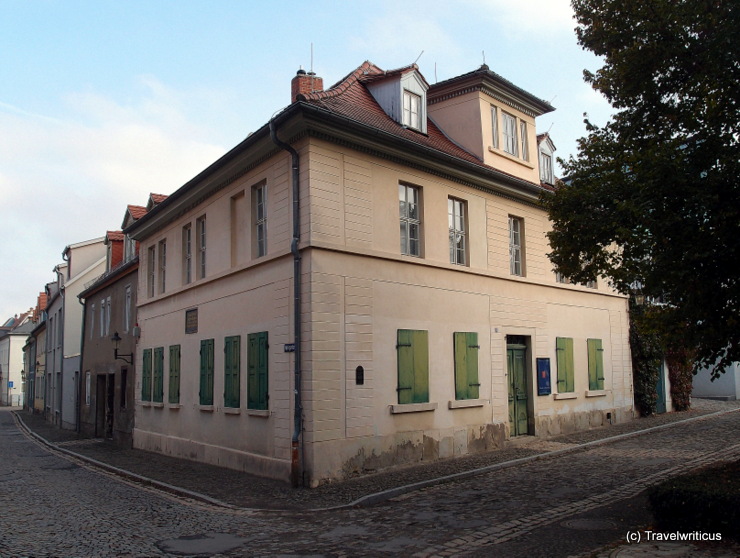
The Nietzsche-Haus museum opened in 1994. A permanent exhibition is devoted to the life and work of the philosopher Friedrich Nietzsche. The Nietzsche Documentation Centre, also housed here, is concerned with researching the reception of Nietzsche’s works.
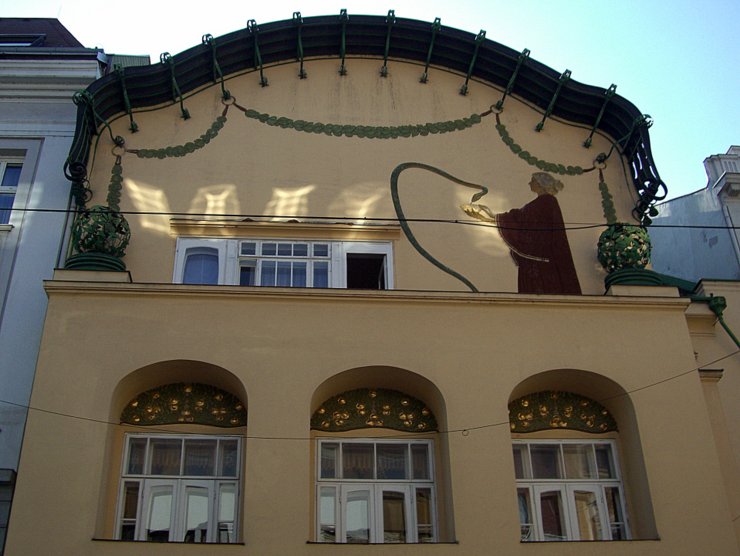
Near Sankt Pölten Central Station, the Stöhr Haus impresses with a fine Art-Nouveau decoration. It is also known as Olbrich House, named after its architect Joseph Maria Olbrich (1867-1908).
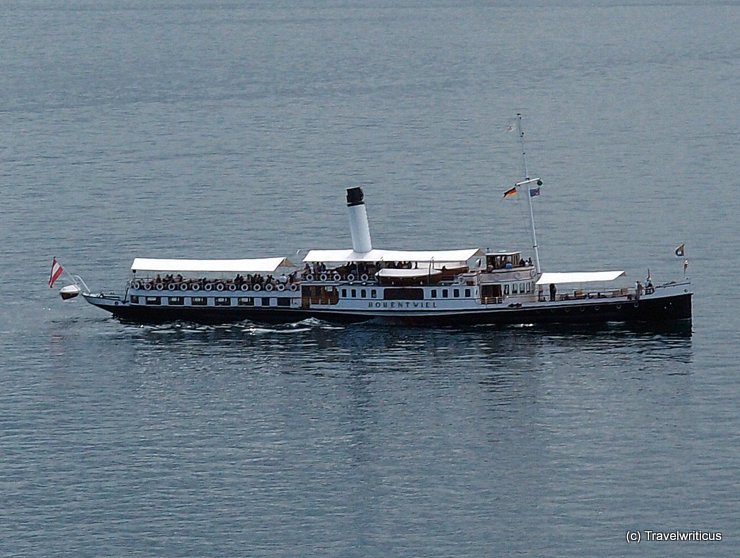
The Hohentwiel serves as a paddle-wheel steamer on Lake Constance (Bodensee). Dating back to 1913, it is the only operational steamship and the oldest continuously operating passenger ship still in service on the lake. The home port of the Austrian ship is near Bregenz.
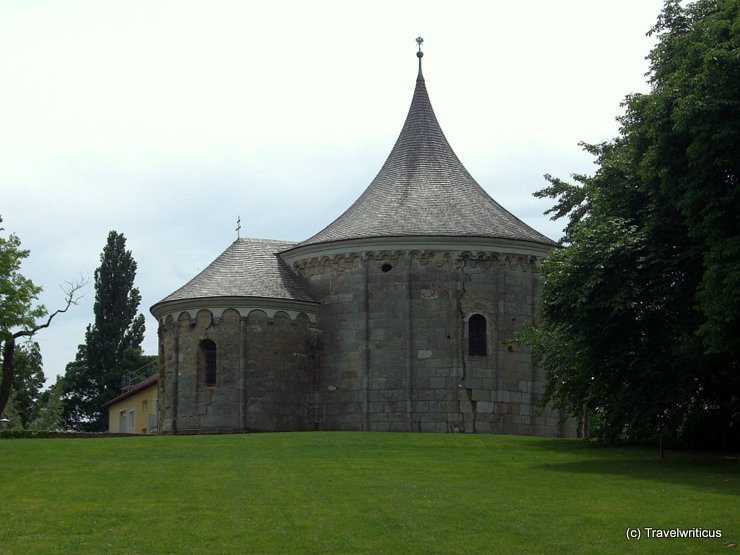
Near the Archaeological Park in Petronell-Carnuntum, you see this round chapel from the 12th century. Its conical roof dates back to the 17th century. The chapel is dedicated to St John the Baptist (Johannes der Täufer).
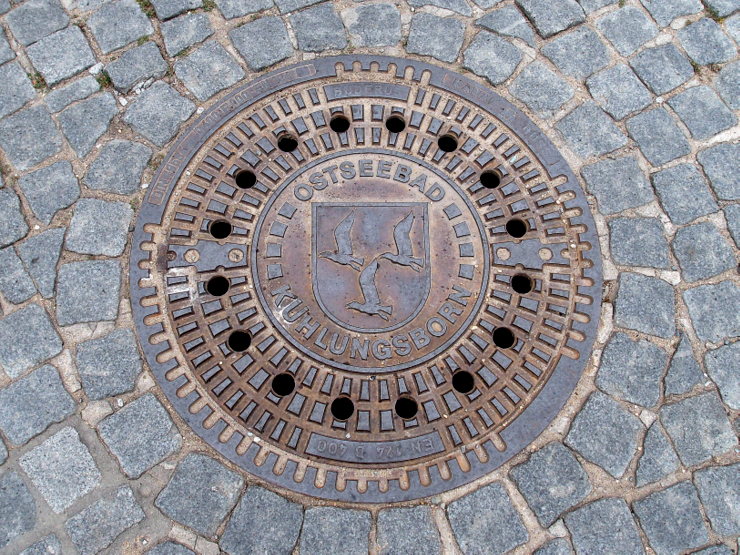
The manhole covers in Kühlungsborn show the arms of the city. The coat of arms displays three silver seagulls in a blue field. The title Ostseebad refers to the fact that Kühlungsborn is a seaside resort at the Baltic Sea (Ostsee).
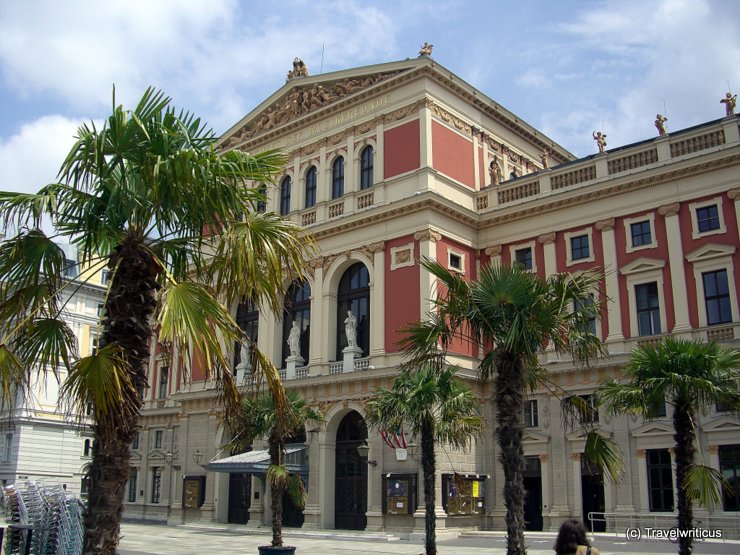
The Vienna New Year’s Concert occurs in the Musikverein Building every year. Probably the whole world knows this building and its Golden Hall by the annual TV broadcast of this concert.
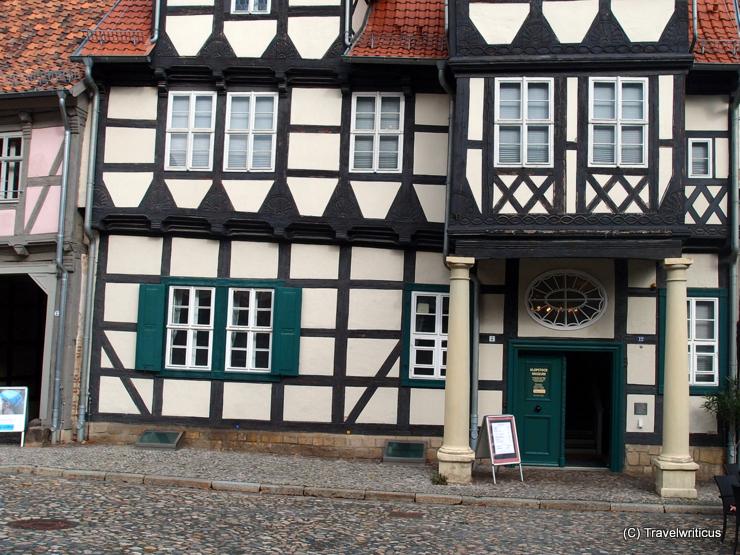
German writer Friedrich Gottlieb Klopstock was born in this building on July 2nd, 1724. Today it houses a museum about his works, e.g. the epic poem ‘The Messiah’ (Der Messias). Biographies of several additional local personalities complete the exhibition.